Super deals: At least 50% off
Guide
Hiking Boots
The category on the label tells you how stiff the boot is: A or A/B for surfaced paths, B for mountain trails. Fit comes before everything else.
Key points
- The trail decides: easy paths category A to A/B, rocky trails category B.
- The rougher the ground and the heavier the pack, the higher the cut.
- Leave a finger's width in front of your toes; try boots on in the afternoon.
- A membrane for wet ground and snow; break new boots in on short walks.
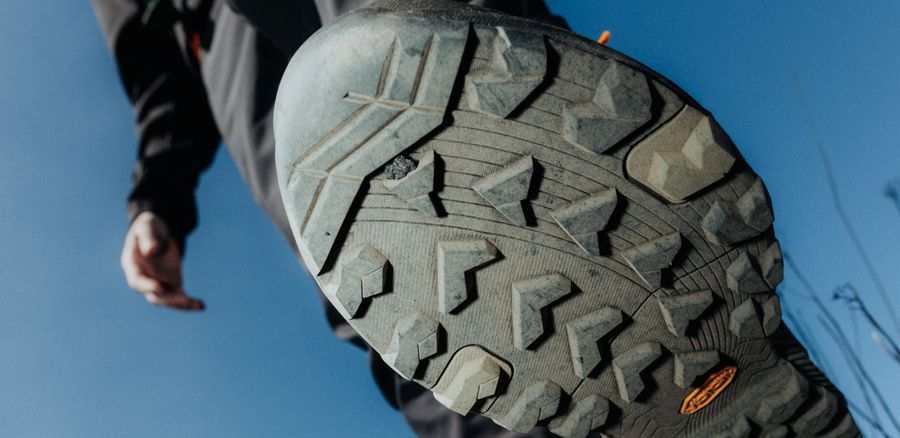
Buying advice
Which hiking boot suits your trail?
Five questions about your trail, ankle support and foot shape lead you to available models for women, men and kids. Each pick comes with the reason it fits.
- 5 questions
- Terrain check
- Available models only
Which boot for which trail?
Many Central European brands and shops grade soles from A to D.
| Trail | What to expect | Your boot |
|---|---|---|
| Forest tracks, coastal paths, valley trails | What to expectFirm and wide, little climbing | Your bootLight category A or A/B shoe, mid cut for mud and wet roots |
| Rocky day routes in the Alps or the Pyrenees | What to expectNarrow, steep, loose stones | Your bootCategory B boot with a mid cut and a lugged sole |
| A week with a heavy pack, e.g. the Kungsleden | What to expectLong stages, heavy load | Your bootCategory B/C trekking boot with a stiff sole |
| Routes that need crampons | What to expectSnow, ice, glacier | Your bootNot a hiking boot: you need B1 or higher. On the letter scale, only C/D and D are fully crampon compatible. |
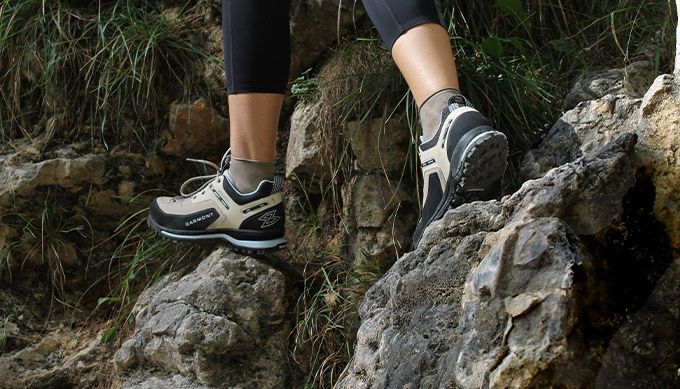
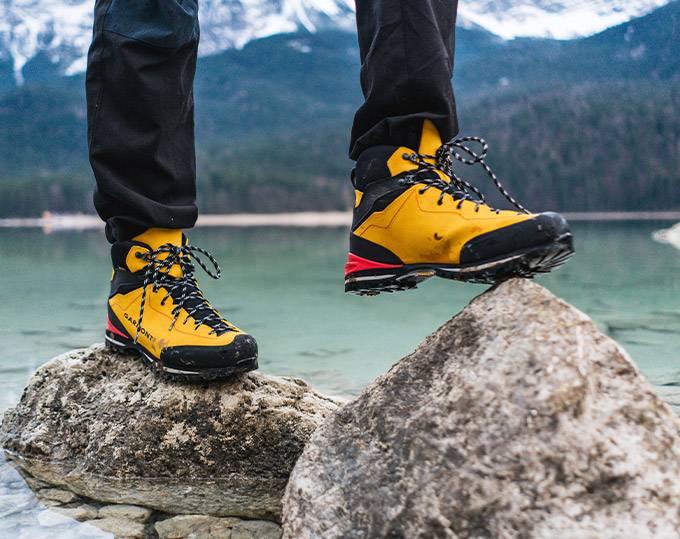
Hiking boot types compared
Light hiking shoe (Low cut, A to A/B)
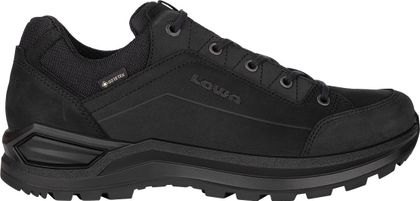
For forest tracks and day walks with a light rucksack.
- Advantage: Low weight
- Advantage: Soft sole, easy roll from heel to toe
- Drawback: Little ankle support
- Drawback: Too soft for scree and heavy loads
Hiking boot (Mid cut, category B)
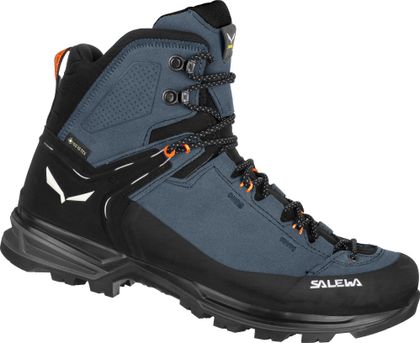
For day hikes on rocky trails, up to the Alps.
- Advantage: Ankle support
- Advantage: Lugged sole for roots and rock
- Drawback: Heavier
- Drawback: More boot than you need on gravel tracks
Trekking boot (High cut, B/C)
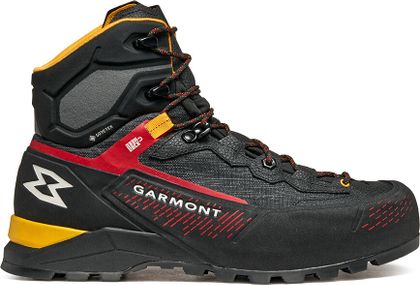
For multi-day treks with a heavy pack and scree.
- Advantage: Stiff sole and high cuff keep you stable
- Drawback: Clumsy on flat paths
- Drawback: Not fully crampon compatible
Winter hiking boot (insulated)
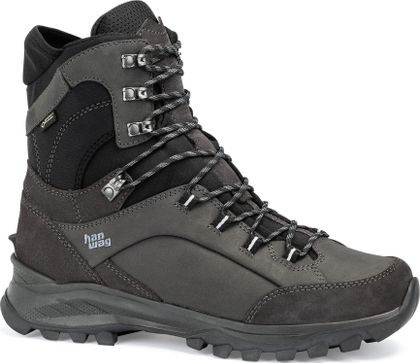
For winter paths, snow and cold days.
- Advantage: Warm lining and membrane
- Advantage: Sole that grips on snow
- Drawback: Too warm from spring onwards
- Drawback: Ice calls for micro-spikes
What to check before you buy
| Question | In short | Why |
|---|---|---|
| Low, mid or high cut? | In shortMid cut for most | WhyThe rougher the ground and the heavier the pack, the higher the cut. |
| How much toe room do I need? | In shortOne finger's width | WhyLeave about a finger's width in front of your toes, or they will hit the front on descents. |
| Do I need a waterproof membrane? | In shortOn wet ground, yes | WhyA membrane such as Gore-Tex keeps water out and lets sweat escape as vapour. |
| Leather or synthetic? | In shortLeather for scree | WhySynthetic uppers weigh less and dry fast but wear through sooner on scree. Leather dries slowly, needs breaking in and wants regular wax. |
Frequently asked questions
Do hiking boots need breaking in?
Yes, leather boots above all. Wear new boots on a few short walks before a long trip. Synthetic shoes usually settle faster. A hut-to-hut week is the wrong place for boots straight out of the box.
Why do the soles of old hiking boots fall apart?
The cause is hydrolysis. The sole ages chemically, turns porous and cracked, and often comes off. It also affects boots that have barely been worn.
How should I dry and care for hiking boots?
Dry them in a well-ventilated room, never on a radiator, by a stove or in the sun: wet leather can crack. Take out the insoles, brush off the dirt and spray on proofing while the boot is still slightly damp.
Can I hike in trainers or trail running shoes?
On forest roads, yes. Once it gets steep, rocky or muddy, trainers lack grip and support. Trail running shoes suit fit, experienced walkers with strong ankles.
More in the magazine
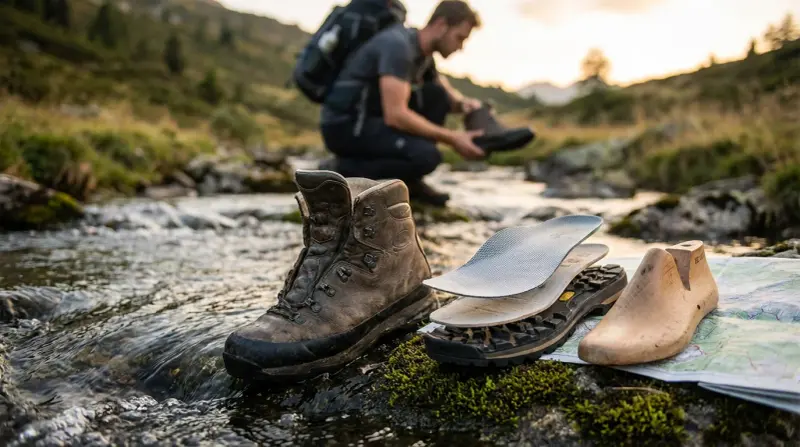 Hiking boot tech: membranes, soles, lastsGore-Tex or Sympatex? Vibram Megagrip or Arctic Grip? The real differences behind hiking boot technology, with practical advice for choosing yours.
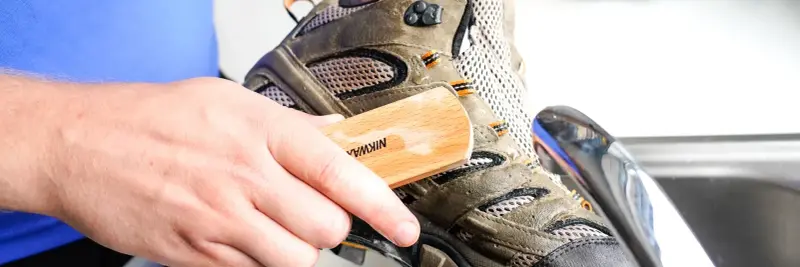 Care and waterproofingSince 1977, Nikwax has made water-based care and waterproofing products for outdoor gear. Now available at SportFits.
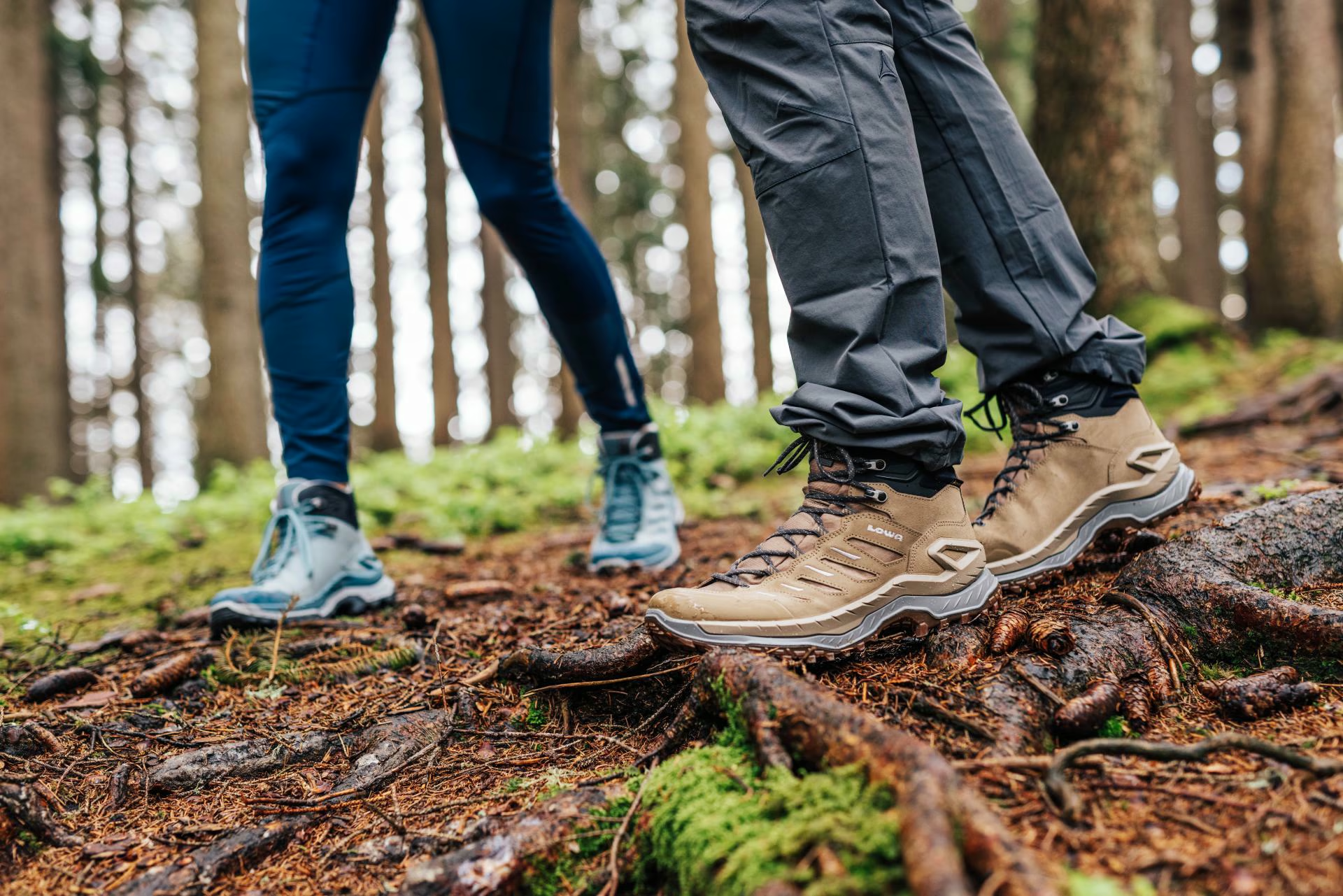 Lowa hiking bootsA century of shoemaking, production in Europe and the Renegade, Europe's best-selling hiking boot. Here is why so many hikers swear by Lowa.
Last updated: October 2026
What for?
Easy walks
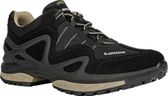
On firm paths, a light category A shoe with a low cut and flexible sole is all you need. Add a membrane if you walk in rain, and leave 1 finger's width in front of your toes.
- Category A
- Low cut
- Flexible sole
- Light
Day hikes
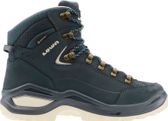
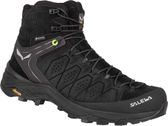
On hill paths and easy mountain trails, choose a boot graded A/B or B. Mid cut supports the ankle, low cut is fine on good paths. Leave 1 finger's width in front of your toes.
- Category A/B to B
- Mid cut
- Lugged sole
- Finger's width toe room
Mountains
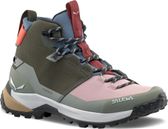
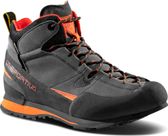
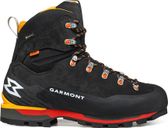
For rocky mountain trails in the Alps or Pyrenees, take a hiking boot graded B or B/C with a cuff above the ankle and a stiff sole. The lugs need bite on scree and wet rock.
- Category B to B/C
- Cuff above the ankle
- Stiff sole
- Deep lugs for scree
Trekking
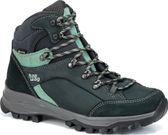
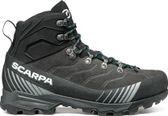
For hut-to-hut treks of several days with a heavy pack, choose a category B/C trekking boot. A high cuff and a stiff sole keep you stable when your legs tire.
- Category B/C
- High cuff
- Stiff sole
- For heavy loads
Winter
Choose insulated, waterproof boots with a cuff above the ankle and a sole that grips on snow. Thick socks may need up to 1 full size more. Add micro-spikes on icy paths.
- Insulated
- Waterproof
- Grip on snow
- Room for thick socks
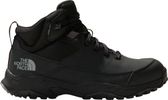
No products match these filters.


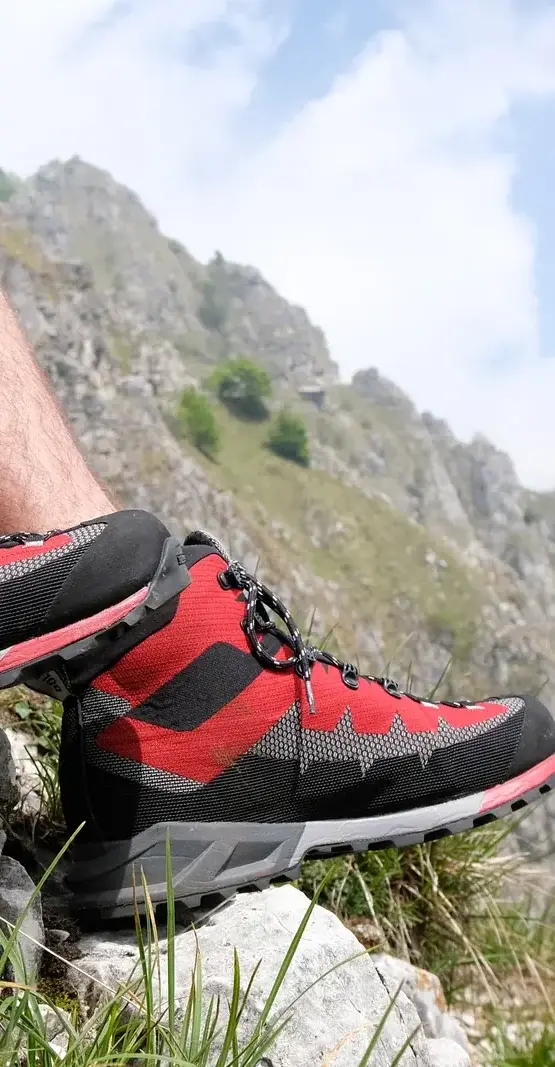


Brands we carry


Show all brands
- adidas Terrex
- AKU
- Asolo
- Berghaus
- Black Diamond
- CMP
- Color Kids
- Columbia
- Craghoppers
- Dachstein
- Danner
- Dare2b
- Dolomite
- Ferrino
- Flower Mountain
- Garmont
- Haglöfs
- HAIX
- Halti
- Hanwag
- Helly Hansen
- Jack Wolfskin
- Kamik
- La Sportiva
- Lowa
- Lundhags
- Mammut
- Merrell
- Millet
- Napapijri
- Outdoor Research
- Reima
- Salewa
- Scarpa
- Tecnica
- Teva
- The North Face
- Timberland
- Trespass
- Uyn
- Viking
- Whistler
- Witeblaze
No brand found
