Super deals: At least 50% off
Guide
Running & Fitness Apparel
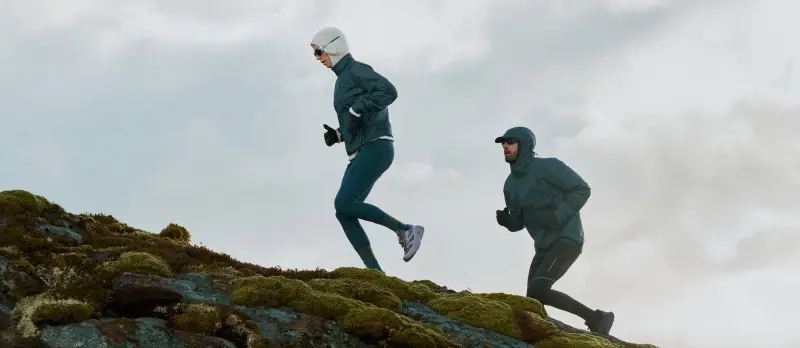
Running and fitness clothing should move with arm swing, running and deep bends. Add warmth as a separate layer when needed.
Key points
- High effort needs less insulation than long stops.
- Prioritise moisture transfer over maximum fabric thickness.
- Check waistband, seams and hem during your actual movement.
- Extra warmth must fit the complete layering system.
Which option suits your use?
| Use | Choose | Why |
|---|---|---|
| Next to the skin | ChooseLight performance layer: Active Base Layers | WhyCompare fabric and seams. The first layer should allow moisture to move towards outer clothing. |
| Extra layer | ChooseMobile fleece or midlayer: Midlayer | WhyCheck that sleeves do not bunch under your jacket and that your back stays covered when bending. |
| Cool starts and stops | ChooseAdditional warmth: Running Jackets · Midlayer | WhyAn insulating layer can suit quiet periods but become too warm during hard training. |
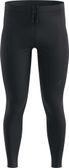
| Bottoms and movement | ChooseSuitable sports bottoms: Long Running Pants & Tights | WhyTry a deep squat and a running stride. The waistband should neither slip nor constrict. |
What to look for when buying
| Question | In brief | Why |
|---|---|---|
| Which session? | In briefConsider pace and stops | WhyA gentle strength session places different demands on fabric and cut from a long outdoor run. |
| Which weather? | In briefCombine suitable layers | WhyCheck insulation, wind resistance and rain protection separately. Warm fleece does not replace rain protection. |
| Which fit? | In briefTry in motion | WhyA top can fit while standing yet expose your back when raising your arms. Check the movement you actually perform. |
| Which details? | In briefCheck with your accessories | WhyPack straps, running belts and jackets change where seams or zips can press. Try the combination. |
Frequently asked questions
How do I check the fit?
Try the clothing as a combination and move as you do when training. Raise your arms, squat and take a running stance. Check that waistbands and hems stay in place without fabric pulling.
What does the maker’s fabric-weight figure mean?
Odlo lists merino fabric weights of 160, 200 and 260 g/m². Choose by effort and outer layers rather than treating them as temperature ratings.
How do I compare different designs?
Compare pieces intended for the same activity. Fabric weight, fibre content, cut and weather protection describe different properties. A higher figure is not automatically the better choice.
How do I care for it?
Follow each garment’s label. Fleece, merino, stretch bottoms and weather protection can need different washing and drying. Instructions for a shirt do not automatically apply to a jacket.
Last updated: October 2026
What for?
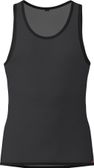
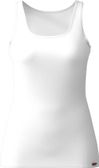
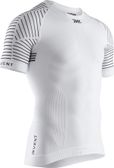
Next to the skin
The next-to-skin layer should not cling damply after a fast session.
- Light performance layer
- Consider pace and stops
- Try in motion
Extra layer
A midlayer should allow elbow and shoulder movement without bunching beneath your jacket.
- Mobile fleece or midlayer
- Consider pace and stops
- Try in motion
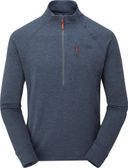
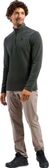
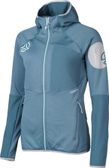
Cool starts and stops
An easily removed extra layer is useful at the start of training or during a longer break.
- Additional warmth
- Consider pace and stops
- Try in motion
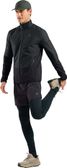
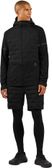
Bottoms and movement
Try sports bottoms with deep squats and check that the waistband stays in place.
- Suitable sports bottoms
- Consider pace and stops
- Try in motion
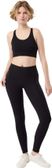
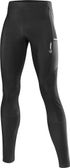
No products match these filters.


Brands we carry


Show all brands
- 4F
- adidas
- adidas Terrex
- Alé
- Armada
- Athlecia
- Atomic
- Barts
- Bauerfeind
- Bergans
- Berghaus
- Black Diamond
- Bleubird
- Bogner Fire + Ice
- Bridgedale
- Camelbak
- Carhartt
- Celavi
- CEP
- Chillaz
- CMP
- Color Kids
- Columbia
- Cotopaxi
- Craft
- Crazy
- Daehlie
- Dainese
- Dale of Norway
- Dare2b
- Deuter
- Devold of Norway
- Didriksons
- Dynafit
- EA7
- Edelrid
- Ein schöner Fleck Erde
- Eisbär
- Elevenate
- Endura
- EVOC
- Falke
- Ferrino
- Fjällräven
- Flaxta
- Garmin
- Giro
- Goldbergh
- Gonso
- Haglöfs
- HAIX
- Halti
- Hanwag
- Helly Hansen
- Hestra
- Horsefeathers
- Houdini
- Icebreaker
- ION
- Isbjörn
- J.Lindeberg
- Jack Wolfskin
- Jeanne Baret
- Kari Traa
- Karpos
- KinetiXx
- Klättermusen
- La Sportiva
- LEGO® kidswear
- LEKI
- Lenz
- Level
- Lowa
- Lundhags
- Löffler
- Maier Sports
- Maloja
- Mammut
- Mandala
- Marmot
- Martini
- MAUL Sport
- MC2 Saint Barth
- Millet
- Minymo
- Mons Royale
- Montura
- Mountain Hardwear
- Napapijri
- Nikkie
- Northwave
- O'Neill
- Oakley
- Ocun
- Odlo
- Outdoor Research
- Picture
- Pinewood
- POC
- Protective
- Protest
- Puma
- Rab
- Red Chili
- Reima
- Reusch
- RipCurl
- Roeckl Sports
- Rossignol
- Royal Robbins
- Salewa
- Saxx
- Schöffel
- Scott
- Shimano
- Shred
- Sidas
- Silva
- Slope
- SOS
- Sportalm
- Sportful
- Spyder
- Super.Natural
- Sweet Protection
- Swix
- Ternua
- The North Face
- Therm-Ic
- Timberland
- Trespass
- Under Armour
- Uyn
- Vans
- VAUDE
- Victoria
- Viking
- We Norwegians
- Whistler
- X-Bionic
- X-Socks
- Zanier
- Ziener
No brand found
