
Sale: from 50 % off
What for?
City & commute
For walking and stairs, look for heel hold without pressure on your toes. Waiting for a bus or train needs more insulation than brisk walking or cycling. In rain, check waterproofing and the sole for wet paving; tread alone cannot guarantee grip on ice.
- Check heel hold on stairs
- Choose insulation for waiting
- Check waterproofing by model
- Use extra traction on ice
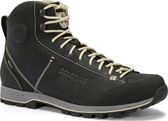
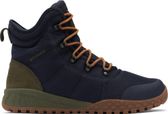
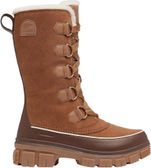
Winter
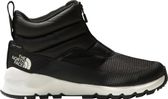
For snow and cold choose an insulated, waterproof boot with a lugged sole. If you stand for long periods, you need more insulation than someone walking briskly.
- insulated
- waterproof
- lugged sole
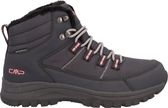
Rain
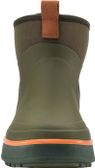
For puddles and mud, choose a rubber boot or a boot with a waterproof membrane. Water can enter over the cuff. For longer walks, check fit and lining as well as rain protection.
- Check waterproof construction
- Check cuff height
- Check tread on wet paving
Kids
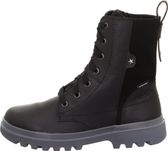
Try with room in front of the toes and choose a fastening your child can use independently. Reflective details are a useful addition in the dark; check the individual model.
- Leave room for toes
- Fastening the child can use
- Check reflective details by model
No products match these filters.




Top brands in Boots


Show all brands
- adidas
- adidas Terrex
- AKU
- Asolo
- Bogner Fire + Ice
- Carhartt
- Celavi
- CMP
- Color Kids
- Columbia
- Craghoppers
- Crickit
- Danner
- Dare2b
- Didriksons
- Dolomite
- Emu Australia
- Finkid
- Flower Mountain
- Garmont
- Haglöfs
- HAIX
- Halti
- Hanwag
- Helly Hansen
- Jack Wolfskin
- Kamik
- La Sportiva
- Liewood
- Lowa
- Lundhags
- Merrell
- Millet
- Napapijri
- Oakley
- Puma
- Reima
- Scarpa
- Sorel
- Superfit
- Tecnica
- The North Face
- Timberland
- Trespass
- Under Armour
- Uyn
- Vans
- Victoria
- Viking
- We Norwegians
- Wheat
- Whistler
- Witeblaze
No brand found
Guide
Boots
Boots for the city need a secure fit, weather protection and enough warmth for waiting. Choose lining for your activity and check grip separately from waterproofing.
Key points
- Standing still calls for more insulation than brisk walking.
- Check waterproof construction for rain and slush.
- Use extra traction on ice; tread alone is not enough.
Buying advice
Which winter boot suits you?
Four questions on who the boots are for, use, cold and features help you choose. The advisor compares models for women, men and children.
- Compare by use
- Check fit and features
Which boots suit which use?
| Use | Look for | Limit |
|---|---|---|
| Commute | Look forHeel hold and room for your socks | LimitMatch lining to time spent waiting |
| Rain | Look forWaterproof boot or rubber boot | LimitWater may enter over the cuff |
| Cold days | Look forInsulated lining and a covered ankle | LimitBrisk walking needs less warmth |
| Children | Look forEasy fastening and room for toes | LimitCheck fit as feet grow |
Types compared
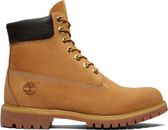
Leather boot (Waterproof)
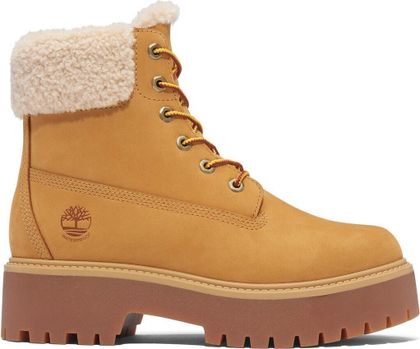
A leather upper with warm lining for cool city days.
- Advantage: Lined for colder commutes
- Drawback: May feel warm indoors
Winter boot (Insulated)
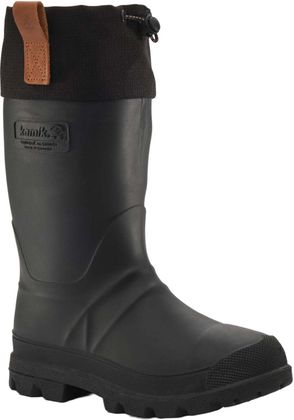
An insulated shaft for snow and time spent waiting.
- Advantage: Covers the ankle
- Drawback: Bulkier than a low shoe
Rubber boot (Rain protection)
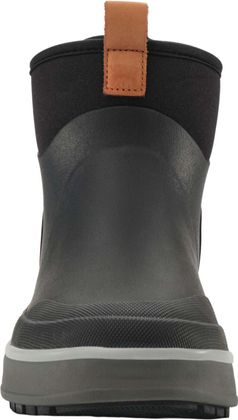
A rubber construction for wet errands and puddles.
- Advantage: Easy to wipe clean
- Drawback: Less airflow around the foot
What to look for when buying
| Question | In brief | Why |
|---|---|---|
| How much lining? | In briefMatch it to your day | WhyStanding still generates less warmth than walking; check the fit with your winter socks. |
| How waterproof? | In briefCheck the whole boot | WhyA waterproof upper helps only while water stays below the cuff. |
| How much room? | In briefToes free, heel secure | WhyWalk in both boots and try stairs; your toes should not hit the front. |
| What care? | In briefFollow the material label | WhyLet wet boots dry at room temperature and use care products suited to leather or textiles. |
Frequently asked questions
Are all boots winter boots?
No. The range also includes uninsulated leather boots and rain boots. For cold stops, check the lining as well as the height of the shaft.
Does a membrane make a boot warm?
A membrane provides rain protection. Warmth depends on lining, fit, socks and how much you move. Avoid squeezing the foot with extra socks.
What helps on ice?
No sole guarantees grip on smooth ice. Suitable slip-on traction can help; remove it where the surface or indoor floor requires it.
How should I try them on?
Wear the socks you plan to use, fasten both boots and walk and climb stairs. Check that your heel stays in place and your toes can move.
Last updated: October 2026