Super deals: At least 50% off
Guide
Running shoes
Choose the surface first, then fit and running feel. Soft running footwear and stable training footwear serve different needs.
Key points
- Roads, trails and indoor training require different sole constructions.
- Consider cushioning, drop and support together.
- The foot should stay secure through the stride without toe or instep pressure.
- Check the specific last and width; the audience label alone is insufficient.
Which construction for your use?
| Use | Look for | Why |
|---|---|---|
| Regular runs | Look forCompare the transition | WhyFootwear should suit your movement and feel secure when running. |
| Mixed surfaces | Look forCheck tread | WhyCheck the actual sole construction. A road shoe does not replace dedicated trail footwear. |
| Gym training | Look forCheck lateral hold | WhyLateral movements and weights call for an appropriate platform rather than maximum softness. |
Types compared
Trail construction (Tread)
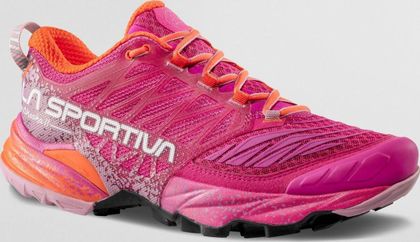
For off-road running with tread suited to the ground.
- Advantage: Grip on suitable natural paths
- Drawback: Tread can feel different on tarmac
Road construction (Transition)
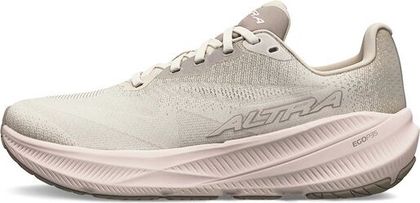
For regular running on surfaced routes.
- Advantage: Designed for road running
- Drawback: No specialist deep-mud tread
What to check before buying
| Question | In brief | Why |
|---|---|---|
| How much cushioning? | In briefAssess it while running | WhyMore foam does not reliably mean a better fit or more suitable support. |
| Which drop? | In briefConsider your usual shoes | WhyA substantially different geometry changes the feel. Introduce it gradually. |
| Which width? | In briefAvoid squeezing the forefoot | WhyLacing secures the midfoot while the toes need room during the stride. |
| Audience and fit | In briefCheck this model | WhyCompare the actual heel shape, instep volume and width. Size labels alone cannot establish the fit. |
| Heel-to-toe drop | In brief4 mm | WhySaucony specifies 4 mm for the Saucony Peregrine 16 GTX Women's. This is model-specific; compare other models separately. |
Frequently asked questions
Can I use running shoes for strength training?
It depends on the exercise. Very soft, high soles may be unsuitable for lateral movements or weights. Compare footwear designed for that activity.
Does drop alone decide suitability?
No. Stack height, flexibility, cushioning and your habits work together. Compare the whole construction.
How snug should running footwear be?
Secure at the heel and midfoot, without toe pressure. Try it with running socks and move in it.
When do I need different tread?
When the ground and existing sole do not match, such as mud or loose paths. Check the specific model’s intended use.
What matters for this audience?
Women’s models may use a different last from men’s versions. Compare the specific heel shape and instep volume rather than assuming a fixed width from the label.
Last updated: October 2026
Regular running
For regular runs, compare fit and transition on your usual surface. Comfortable hold matters more than an eye-catching cushioning design.
- Consider your usual surface
- Compare while running
- Secure heel hold
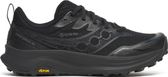
Check the surface
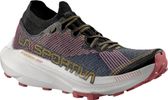
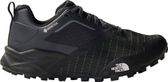
Roads, natural paths and mud need different soles. Use these examples to compare tread and intended use before choosing a model.
- Tread suits the surface
- Read the intended use
- Consider sole support
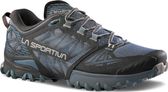
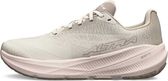
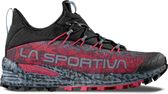
Find your fit
Check the heel and midfoot through the stride. Toes need room while lacing holds the foot without instep pressure. Compare each brand’s size chart.
- Heel hold while running
- Toes without pressure
- Suitable width
Compare cushioning
Compare cushioning alongside stack height, drop and support. More foam alone does not improve fit. Introduce a substantially different geometry gradually.
- Assess cushioning while running
- Consider the whole geometry
- Consider your habits


