Super deals: At least 50% off
Guide
Low-cut shoes
Low shoes leave the ankle free. For everyday wear and easy paths, prioritise last shape, heel hold and a sole suited to the ground.
Key points
- Choose the last for your foot shape, not size alone.
- For wet paths, look for explicitly waterproof construction.
- A low shaft does not provide support above the ankle.
- Match tread and flexibility to the ground and distance.
Which option suits your use?
| Use | Choose | Why |
|---|---|---|
| Everyday wear | ChooseFlexible sole | WhyOn level ground, look for an easy rolling stride without forefoot pressure. |
| Wet paths | ChooseStated weather protection | WhyA water-repellent treatment is not equivalent to waterproof construction. |
| Longer walks | ChooseHeel hold and tread | WhyCheck heel hold when descending and tread for the intended path. |
| Children | ChooseCorrect length and width | WhyHave the foot measured and use the size chart for the particular model. |
Types compared
Casual shoe
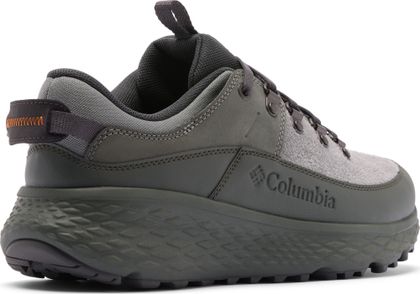
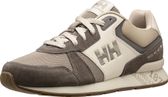
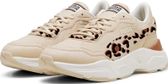
A low cuff and flexible outsole define a casual shoe. It suits mainly firm, level everyday routes.
- Advantage: Easy rolling movement without a rigid boot cuff
- Drawback: Little shielding from loose stones around the ankle
Waterproof low shoe
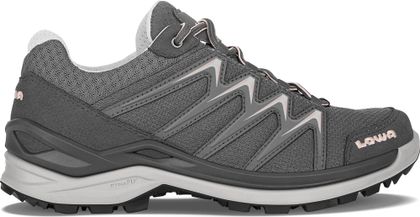
A membrane supplements this low shoe’s textile upper. It suits changing conditions on walking paths.
- Advantage: Water protection without a high cuff
- Drawback: The open collar remains an entry point for water
Walking shoe
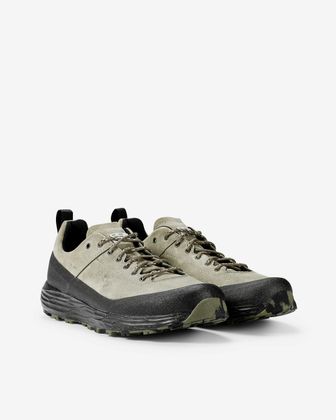
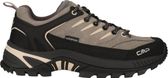
A patterned outsole and structured heel area suit longer walks away from smooth pavements.
- Advantage: Tread engages with loose path surfaces
- Drawback: Pronounced tread can feel intrusive on flat tarmac
What to look for when buying
| Question | In brief | Why |
|---|---|---|
| Which last? | In briefHold the heel, leave toe space | WhyIf the forefoot is squeezed, compare a different width rather than a longer size. |
| Is a membrane needed? | In briefDecide by exposure to water | WhyIt is useful on frequently wet paths; in dry warmth a more open upper may feel more comfortable. |
| Which sole? | In briefConsider the ground | WhyPronounced tread helps on soft ground; on tarmac also consider the rolling stride and cushioning. |
| Which lacing? | In briefHold the instep evenly | WhyThe foot should stay held without tightening the lacing until it bites. |
Frequently asked questions
How do I check the fit?
Try with your everyday socks and walk down an incline. The heel should not lift and toes should not feel pressure. Check both feet; your usual size is only a starting point.
What does a model’s drop specification tell me?
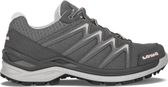
Lowa lists a 10.3 mm drop for the Innox Pro GTX LO Ws. This model specification does not describe the toe room you need.
Can I rely on my usual size?
Use the chart for the exact model. Size labels can differ between brands and lasts. Compare both feet and check the product’s width and fit notes before ordering.
How do I care for it?
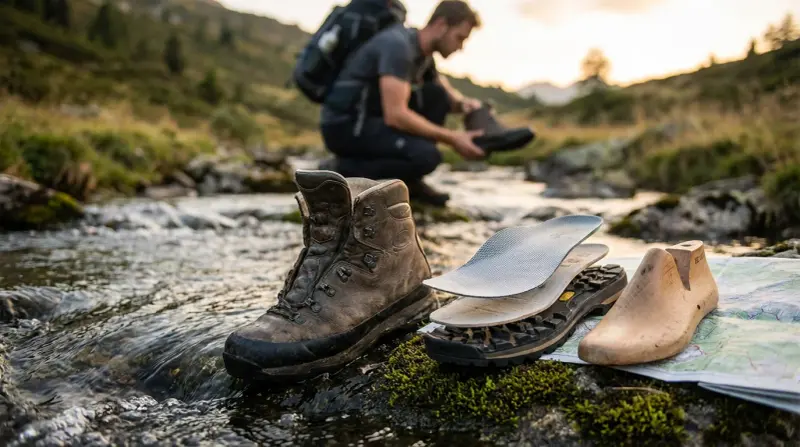
Gently brush off dried dirt. Match cleaner and proofing treatment to the upper. Dry as directed; strong direct heat can affect materials and bonded parts.
Last updated: October 2026
Everyday wear
On everyday routes, the shoe should stay secure without constant tightening and leave toe room.
- Flexible sole
- Hold the heel, leave toe space
- Consider the ground
Wet paths
For rainy paths, check whether water protection covers the complete upper or only its surface.
- Stated weather protection
- Hold the heel, leave toe space
- Consider the ground
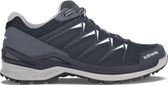
Longer walks
On a longer walk, a downhill stretch reveals whether your foot slides forwards inside the shoe.
- Heel hold and tread
- Hold the heel, leave toe space
- Consider the ground
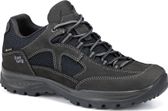
Children
For children, check toe length and whether the fastening can hold a narrower foot.
- Correct length and width
- Hold the heel, leave toe space
- Consider the ground