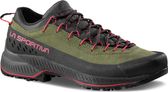
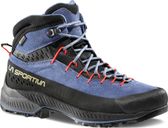
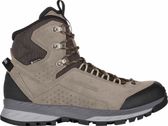
In the Club: collect FitPoints, unlock codes
To the Club

Filter

Sale: from 50 % off

95 products

View Sale
No products match these filters.
1 2 3

Guide

Women's approach shoes

An approach includes more than the rock: consider the walk before and after it too. Match sole stiffness, ankle coverage and fit to the whole route.

Key points

  • A smooth rubber zone at the toe helps on small rock edges.
  • Compare cushioning and rolling comfort for long walks.
  • Choose upper height and tread for scree, moisture and distance.

Which shoe for which approach?

UseChooseBear in mind
Rocky approachChoosePrecise low shoeBear in mindForefoot lacing and a suitable rubber toe zone help with accurate placement.
Scree and longer mountain pathsChooseSupportive higher shoeBear in mindMore ankle coverage also adds warmth and weight.
Wet pathsChooseStated waterproof constructionBear in mindA membrane keeps moisture out but may feel warmer in hot conditions.

What to look for

QuestionIn briefWhy
How close at the forefoot?In briefPrecise without pressureWhyLacing should hold the foot without squeezing the toes together. Leave room at the front for descents.
How stiff should the sole be?In briefInclude the walking distanceWhyStiffer soles support small footholds; softer soles roll more easily on long paths. Compare for your route.
Which width fits?In briefLast before category labelWhyMeasure both feet and check available widths. Extra length does not replace a matching heel and forefoot shape.

Common questions

Can I walk long distances in approach shoes?

That depends on the sole and fit. Very precise, stiff designs may roll less comfortably on long easy tracks. For a long approach and descent, allow sufficient cushioning and try the shoes with your walking socks.

Do via ferratas need a high upper?

Include scree and possible snowfields on the approach in your planning. A higher upper covers the ankle more, while a low shoe is lighter and more flexible. Choose for the complete route and your ability to place your feet securely.

Are all these shoes crampon compatible?

Snow or glacier sections need an expressly suitable boot and crampon combination. Check sole stiffness and the approved binding on the actual model. Plan the route and the techniques needed before making the purchase.

How should I try approach shoes?

Wear your intended socks, adjust the forefoot lacing and walk on a slope. Your heel should stay in place and your toes should not hit the front downhill. A precise fit should not create constant pressure on the toes.

Last updated: November 2026