Stories
Craghoppers: NosiLife, Kiwi and AquaDry explained
In partnership withCraghoppers
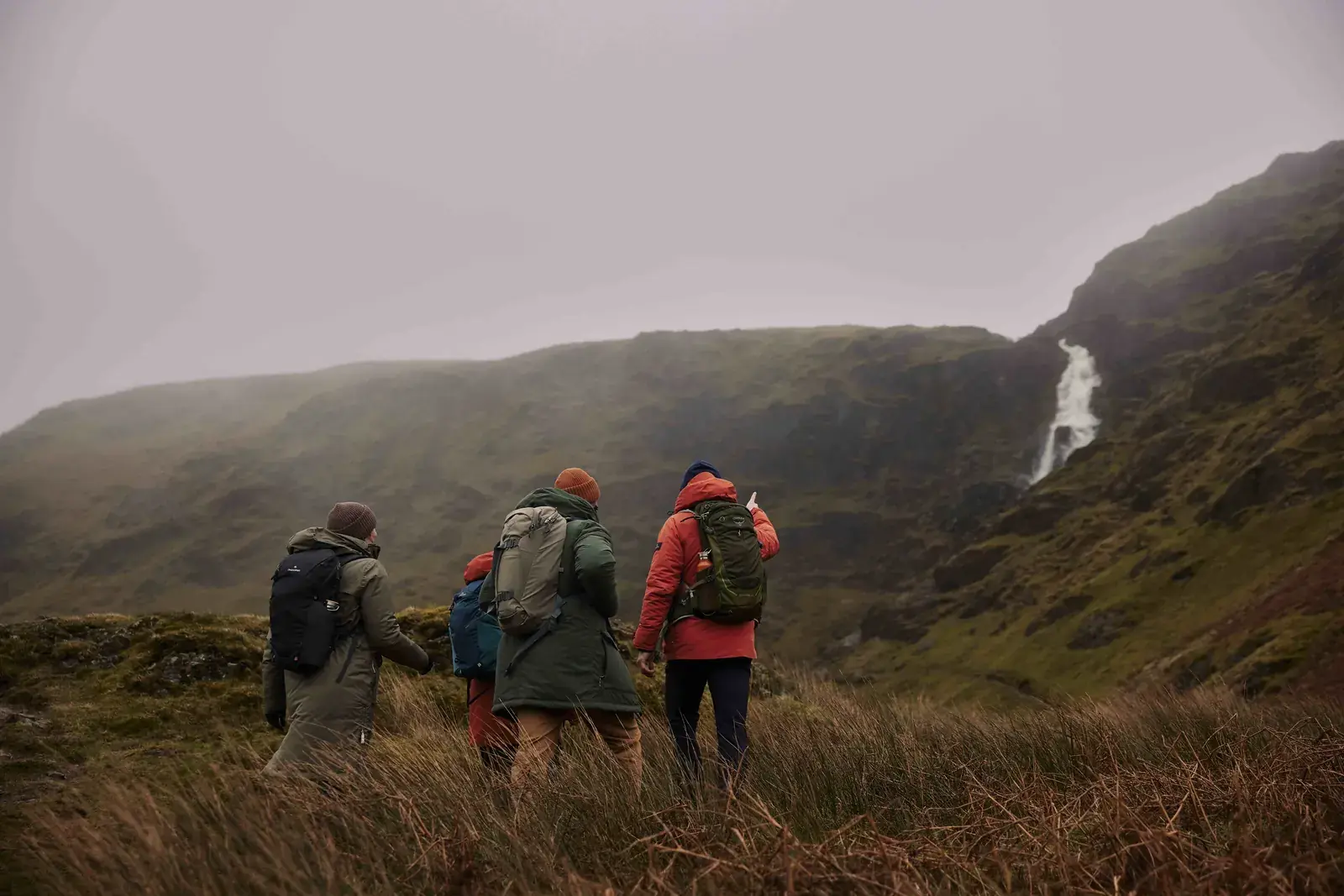
Since 1965, Craghoppers has built outdoor and travel clothing for British rain, hot climates and long trails. Here is how NosiLife, NosiDefence, Kiwi Pro and AquaDry differ, how leg lengths work and how to wash technical fabrics properly.
The essentials at a glance
- 01
Craghoppers was founded in 1965 in Batley, West Yorkshire by Brian Gaskin and Roy Holmes. Early gear went on the 1975 British Everest Southwest Face expedition, and the Kiwi trouser line launched in 1996.
- 02
NosiLife uses plant-derived Eucalyptus Citriodora Oil (approved under EU Biocidal Products Regulation 528/2012/EU), bound into the fabric for the lifetime of the garment. NosiDefence (used on Kiwi Pro) relies purely on a tight weave without an active repellent.
- 03
Current AquaDry waterproof jackets start at 20,000 mm hydrostatic head according to Craghoppers, with shells like Ponsa and Zohra reaching 30,000 mm and 30,000 g/m²/24h breathability paired with an H2OShield finish free of intentionally added PFAS.
- 04
Most Craghoppers hiking trousers come in three leg lengths (Short, Regular, Long). Care is straightforward: wash inside out at max 30 °C, skip fabric softener and bleach, and line dry.
Steady rain on an exposed ridge. Biting insects along a warm river trail. Harsh midday sun with zero shade. Very few outdoor brands try to solve all three under one roof. Craghoppers has built its identity around exactly that mix.
Inside the range, lightweight travel shirts with built-in insect defence sit next to 30,000 mm waterproof shells, and slim stretch hiking trousers sit beside ten-pocket travel cargos. Once you know what separates NosiLife, NosiDefence, Kiwi Pro and AquaDry, picking the right piece takes minutes instead of guesswork. This buying guide breaks down the technologies, product families, sizing and honest limits using official brand data and our live assortment.
The brand started in 1965 in Batley, West Yorkshire, when mountaineers Brian Gaskin and Roy Holmes set up G & H Products to make tougher wet-weather gear than they could buy locally. Ten years later, on 24 September 1975, British climber Doug Scott wore a windsuit supplied by the founders on the first ascent of the Mount Everest Southwest Face.
A second turning point arrived in 1996 with the launch of the Kiwi trouser, which quickly became a fixture of British hillwalking and travel wardrobes. Today Craghoppers operates as part of the Regatta Group in Manchester and has served for over ten years as a recommended expedition clothing provider for The Duke of Edinburgh's Award.
The brand also backs its apparel with a Guarantee for Life: according to Craghoppers, clothing is covered by a commercial durability guarantee against manufacturing and material defects such as faulty zips, split seams or loose buttons under normal use. Items bought through specialist retailers can be registered online using the SKU printed on the care label. Luggage carries a five-year guarantee, while footwear and walking poles carry two years. Normal wear and tear or accidental damage are excluded.
Shoppers often lump Craghoppers' insect-protection fabrics together or confuse lightweight travel shells with full mountain waterproofs. Each technology solves a different problem.
NosiLife vs. NosiDefence: repellent or tight weave?
NosiLife integrates Eucalyptus Citriodora Oil directly into the textile fibres during manufacturing. According to Craghoppers, this active ingredient is approved under the European Biocidal Products Regulation (BPR) 528/2012/EU and works as a repellent to reduce bites from mosquitoes and other biting insects. Because it is built into the yarn rather than sprayed on top, the brand states it lasts the lifetime of the garment with no re-application required, combined with built-in odour control.
NosiDefence takes a mechanical route with no active repellent ingredient. Craghoppers weaves the fibres tightly enough to form a physical barrier against insect bites. You will find NosiDefence across the Kiwi Pro trousers and classic hiking shirts. If you prefer trousers without a biocidal finish, NosiDefence is the clean choice.
AquaDry, H2OShield and SolarShield+
For wet climates, AquaDry pairs a waterproof, breathable membrane with taped seams and a plant-based H2OShield water-repellent finish containing no intentionally added PFAS. In its current waterproof collection, Craghoppers states that every waterproof jacket starts at 20,000 mm hydrostatic head. Technical shells such as the Ponsa Jacket and Zohra Jacket climb to 30,000 mm waterproofness and 30,000 g/m²/24h breathability (MVTR).
For strong sun, SolarShield delivers UPF 30 to 50+ protection and SolarShield+ reaches UPF 50+, blocking up to 98% of UVA and UVB radiation according to the manufacturer. The UV protection comes from fabric weave density, yarn structure and colour rather than a coating that washes out.
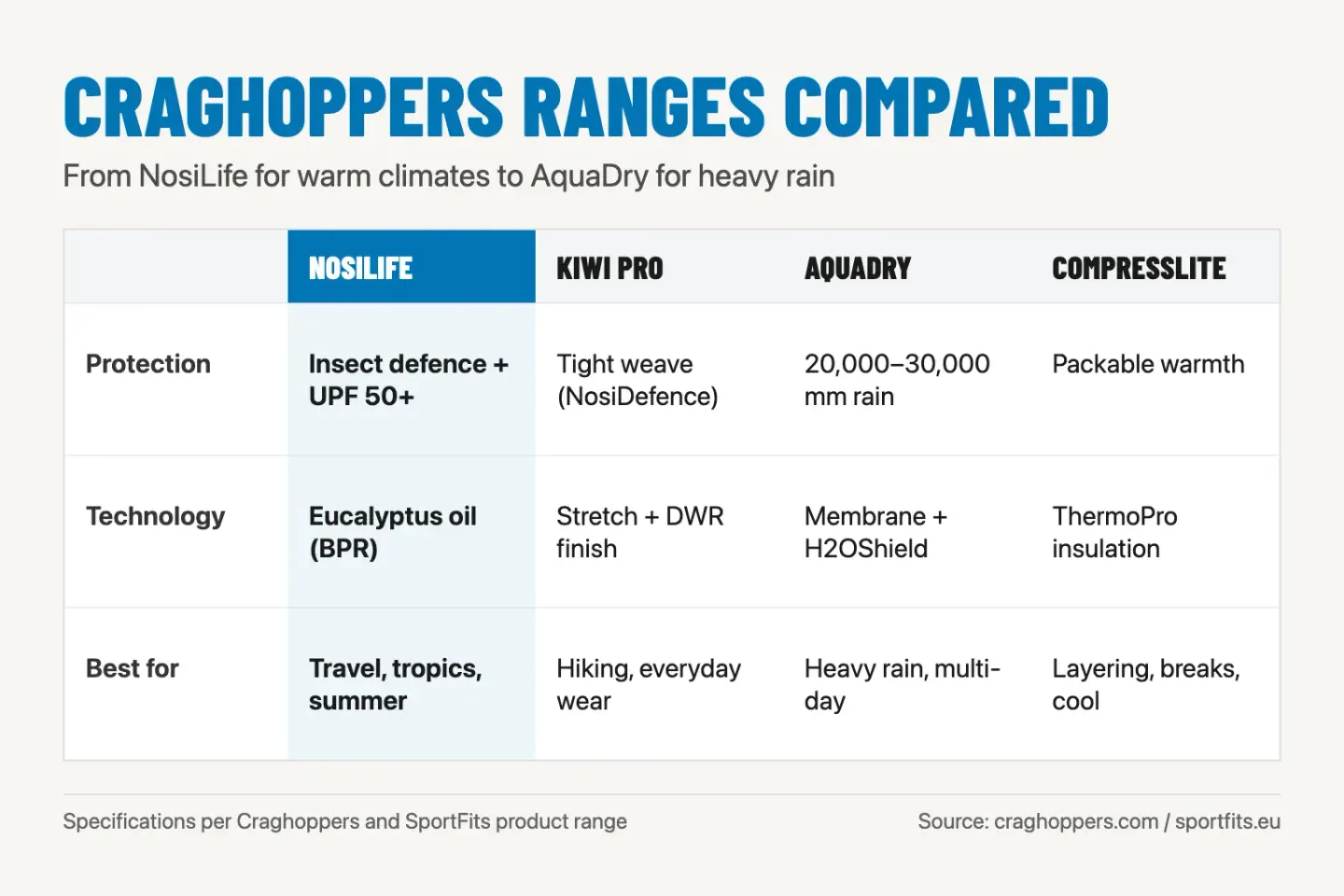
Core Craghoppers technologies compared
| Feature | NosiLifeSignature tech | NosiDefence | AquaDry + H2OShield | SolarShield / SolarShield+ |
|---|---|---|---|---|
Main function | Insect repellent + odour control | Physical bite barrier | Waterproof & windproof, taped seams | Built-in UV protection |
How it works | Eucalyptus Citriodora Oil (BPR 528/2012/EU) in fibre | High-density woven fabric | Membrane (20,000–30,000 mm) + PFAS-free DWR | Fabric density, yarn type & colour |
Best suited for | Tropics, warm travel, midge season | Hiking & daily wear without repellent | Heavy rain, autumn & mountain hikes | High UV exposure, open trails |
Shop examples | NosiLife Pro Trouser III, Adventure Shirt III | Kiwi Pro III Trouser, Kiwi Pro Cargo | Ponsa Jacket, Zohra Jacket, Agnar Jacket | NosiLife SolarShield+ T-Shirt, Nuoro Shirt II |
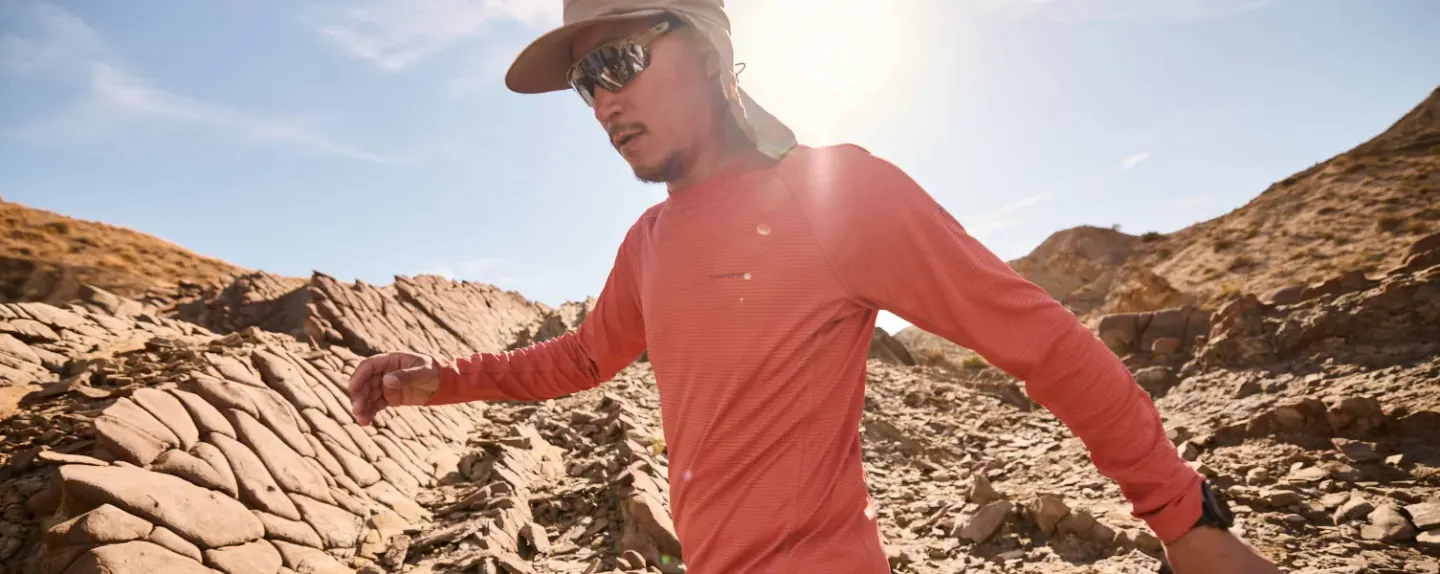
Four product groups cover almost the entire assortment. Separating them by climate and pace makes the choice straightforward.
NosiLife trousers, shorts and travel shirts
Heading into warm countries, Scottish midge season or Scandinavian summer forests puts NosiLife front and centre. The men's Craghoppers NosiLife Pro Convertible Trouser III weighs 350 g (women's 330 g), uses 94% polyamide with 6% elastane stretch and zips off into shorts when temperatures rise. If you prefer a clean leg without a thigh zip, the slimmer Craghoppers NosiLife Pro Trouser III (Women) weighs around 290 g (men's 330 g) and adds an RFID pocket.
For maximum pocket capacity, the Craghoppers NosiLife Cargo Trouser III packs ten pockets at 325 g, while the relaxed-fit Craghoppers NosiLife Medina Cargo Trouser (280 g) includes a waterproof dry bag inside one of its six pockets. Pair them with long-sleeve travel shirts such as the ripstop Craghoppers NosiLife Adventure Long Sleeved Shirt III (280 g, five pockets, back vent, sunglasses wipe and fold-up collar) or the ultralight 160 g Craghoppers NosiLife Nuoro Long Sleeved Shirt II.
Kiwi Pro: the stretch all-rounder for hiking trails
Unlike the traditional polycotton Kiwi Classic, Kiwi Pro drops cotton altogether in favour of quick-drying synthetic stretch fabric. Both the Craghoppers Kiwi Pro III Trouser and the Craghoppers Kiwi Pro Cargo Trouser combine water-repellent DWR, active stretch and mechanical NosiDefence protection. They fit closer to the leg than relaxed cargo cuts, move easily on steep steps and dry quickly after passing showers.
AquaDry shells, insulated jackets and fleece
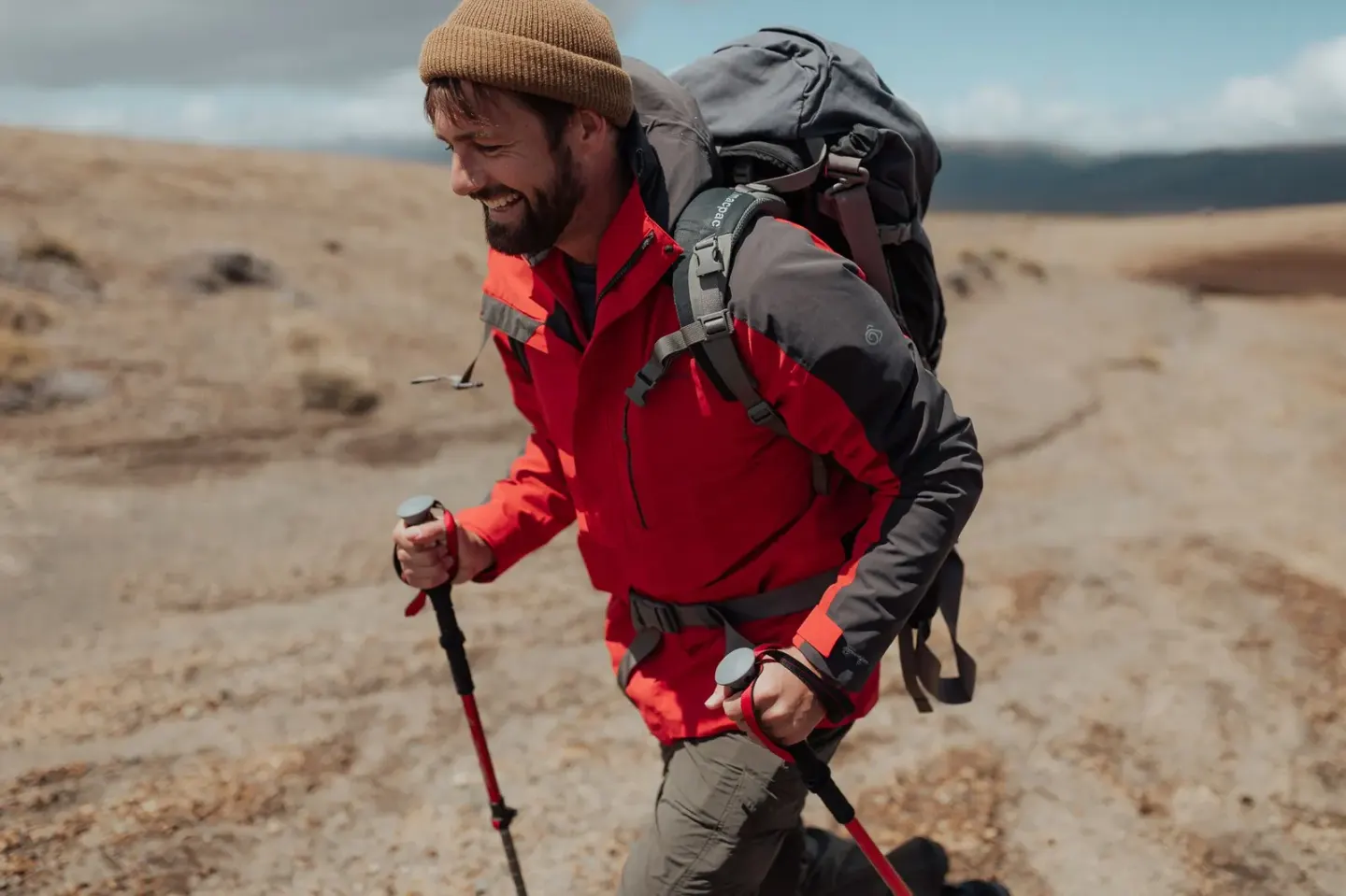
For persistent rain, unlined AquaDry hardshells do the heavy lifting: the men's Craghoppers Ponsa Jacket (76 cm back length) and women's Craghoppers Zohra Jacket (67 cm back length) both carry a 30,000 mm waterproof rating and 30,000 g/m²/24h MVTR. If you want waterproof protection and warmth in one piece, the Craghoppers Agnar Jacket (25,000 mm, ThermoAir+) and the Craghoppers Caldbeck II Thermic Jacket (20,000 mm, 30,000 g/m²/24h) pair waterproof membranes with synthetic insulation.
For dry cold or summit stops, the Craghoppers Compresslite IX Hooded Jacket packs into its own pocket and insulates with down-like ThermoPro fill made from 100% recycled polyester. Underneath, microfleece layers like the Craghoppers Corey Jacket or NosiLife grid fleeces such as Anya II and Spry II (65% recycled polyester, 35% Bio3-CarbonSmart polyester) manage moisture cleanly. Even desert-style boots such as Mesa Hi 2, Mono Hi 2 and the waterproof suede Salado Desert Hi 2 carry the travel focus through with BLOOM algae-blend EVA insoles.
Six core Craghoppers pieces in stock
Available hiking trousers, AquaDry shells and travel shirts from our current lineup
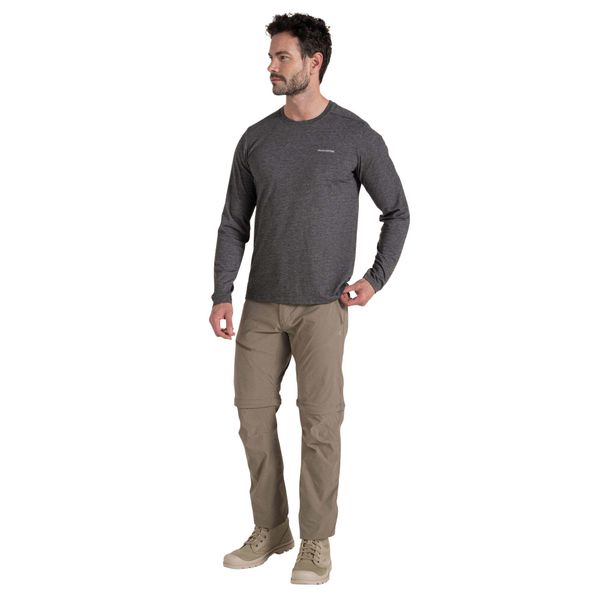 CraghoppersNosilife Pro Convertible Trouser IIIMen's zip-off stretch trouser (350 g) with NosiLife insect defence and UPF 50+.92.15€View product →
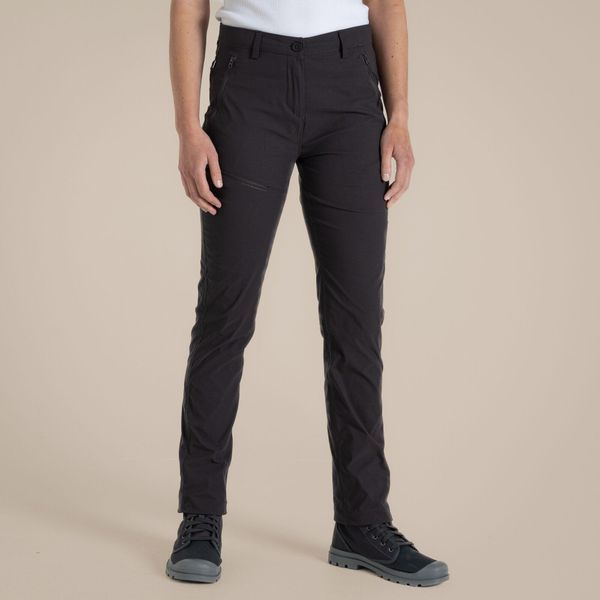 CraghoppersNosilife Pro Trouser IIISlim-fit women's hiking trouser (290 g) with stretch, NosiLife and RFID pocket.93.35€View product →
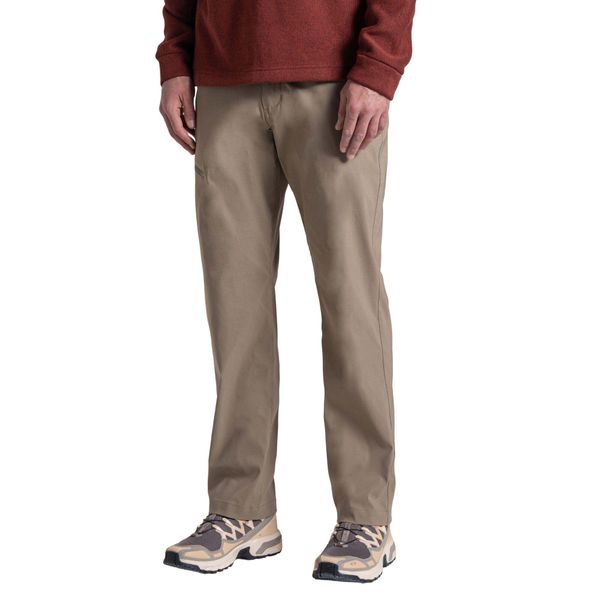 CraghoppersKiwi Pro III TrouserStretchy men's hiking trouser with water-repellent finish and tight NosiDefence weave.60.25€View product →
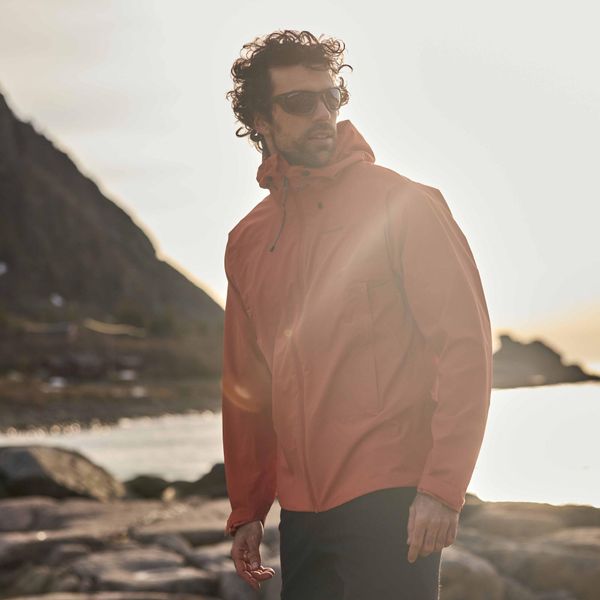 CraghoppersPonsa JacketMen's AquaDry hardshell rated to 30,000 mm waterproofness and 30,000 g/m²/24h MVTR.135.95€View product →
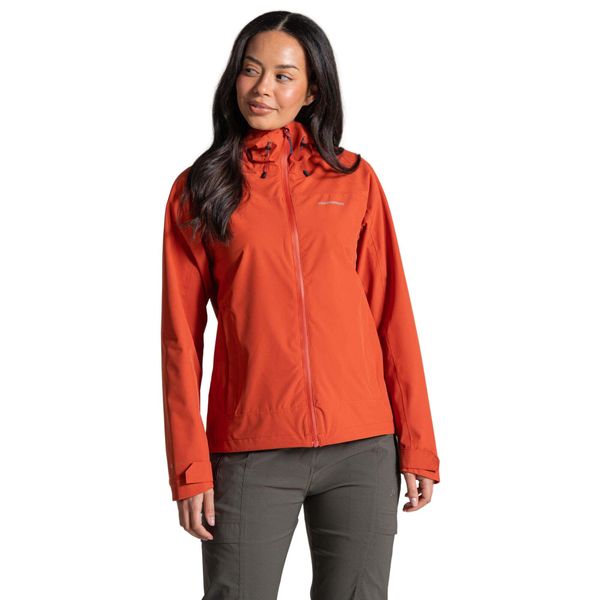 CraghoppersZohra JacketWomen's AquaDry hardshell with 30,000 mm hydrostatic head and H2OShield DWR.135.95€View product →
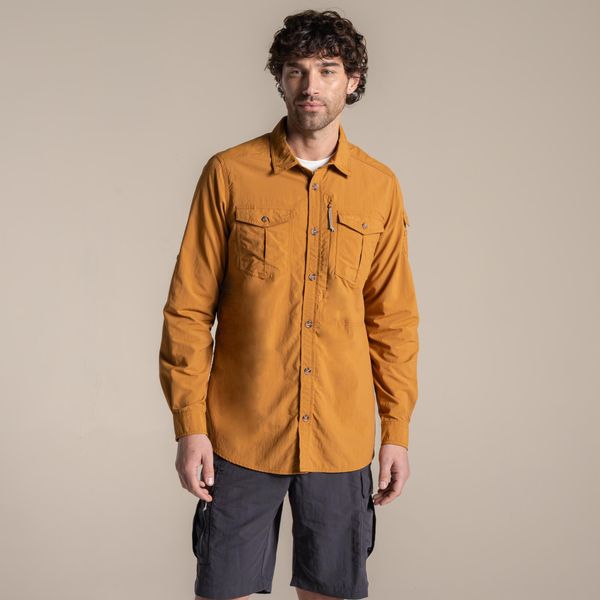 CraghoppersNosilife Adventure Long Sleeved Shirt IIIRipstop travel shirt (280 g) with UPF 50+, five pockets, back vent and sun collar.79.25€View product →
One standout strength of Craghoppers trousers is leg-length choice. Rather than a single average inseam, most hiking trousers are produced in three inside leg lengths:
- Women: EU 32 to 52 (UK 6 to 24) in Short (76 cm), Regular (81 cm) and Long (86 cm). In European sizing tables, short and long versions of NosiLife Pro styles may also appear as EU short sizes (16 to 26) and long sizes (64 to 104).
- Men: EU 46 to 60 (US waist 30 to 44) in Short (76–77 cm), Regular (79–85 cm) and Long (86–91 cm).
- Jackets and tops: Women's EU 32 to 50, men's XS to 4XL (EU 46 to 64). Use chest width as your main guide; if your lower hips measure wider and the coat covers them, size by your hip measurement.
Pay attention to cut differences across lines: NosiLife Pro and Kiwi Pro sit closer to the leg with an active stretch profile, while Cargo styles (such as Medina Cargo or NosiLife Cargo III) offer noticeably more room through the thigh and knee. You can double-check body measurements directly in the Craghoppers Sizing Guide.
Washing and reproofing without harming the fabric
Technical weaves and waterproof membranes dislike high heat and chemical residues. Following four simple habits keeps both NosiLife and AquaDry performing season after season.
Close fastenings and turn inside out
Zip up pockets, fasten buttons and Velcro, and turn trousers or jackets inside out. Brush off dried mud with a soft brush before washing.
Wash at max 30 °C on a gentle cycle
Use a cool or 30 °C wash with a low spin speed. Choose mild liquid detergent or a dedicated waterproof wash, and rinse any leftover conditioner out of the detergent drawer first.
Skip fabric softener and bleach completely
Fabric softeners coat fibres, reduce AquaDry breathability and impair NosiLife and NosiDefence treatments according to Craghoppers.
Line dry and reproof when beading fades
Air-dry out of harsh direct sun (many travel shirts and trousers include drying loops) and avoid tumble dryers or hot radiators. When rain starts soaking into an AquaDry shell instead of beading off, apply a PFAS-free wash-in or spray reproofer.
Craghoppers shines wherever climate versatility and practical travel engineering matter more than gram-counting on a climbing harness: long-haul trips to sunny or insect-heavy destinations, multi-day hikes in British or Scandinavian rain, and everyday outdoor wear. Three leg lengths, built-in dry bags, RFID security pockets and sunglasses wipes make real differences on the road.
The boundaries are equally clear. Technical alpine climbing, ice routes or ultralight trail races are better served by specialist alpine brands with helmet-compatible 3-layer cuts and minimal pocket bulk. With NosiLife, keep one vital safety limit in mind: treated fabric protects the skin it covers, but in regions with mosquito-borne diseases it never replaces topical skin repellent on exposed areas or medical travel advice.
Quick decision guide: which Craghoppers line fits your plans?
- 1
If you travel to warm or insect-heavy regions
pick NosiLife Pro (slim stretch) or NosiLife Cargo paired with a NosiLife long-sleeve shirt.
- 2
If you want one pair of trousers that converts to shorts
choose the NosiLife Pro Convertible Trouser III.
- 3
If you want tough stretch hiking trousers without a biocidal treatment
go for Kiwi Pro III or Kiwi Pro Cargo with dense NosiDefence weave.
- 4
If you spend hours hiking in heavy rain
layer an unlined AquaDry shell like Ponsa or Zohra (30,000 mm) over a fleece.
- 5
If you need compact warmth for breaks or cool days
look at the Compresslite IX Hooded Jacket or insulated shells like Agnar and Caldbeck II Thermic.
Right for you if …
Warm-climate travel, insect-prone hiking regions, wet multi-day hillwalks, pocket-heavy trekking and dependable wet-weather daily wear.
Probably not for you if …
Technical rope climbing, ice climbing, ultralight trail racing or relying on clothing alone in high-risk tropical disease zones without skin repellent.
Explore the full Craghoppers range at SportFits
Browse all in-stock NosiLife trousers, Kiwi Pro stretch pants, AquaDry waterproof jackets, travel shirts and fleece layers by category and size.
Shop CraghoppersBefore ordering, most buyers run into the same five questions on insect defence, waterproofing, sizing and warranty cover.
Frequently asked questions
Does the NosiLife insect treatment wash out over time?
According to Craghoppers, no. The Eucalyptus Citriodora Oil treatment is built into the fabric during manufacturing to last the lifetime of the garment with no re-application needed. To preserve the fibres, wash inside out at max 30 °C with mild detergent, skip fabric softener and bleach, and line dry.
What is the difference between NosiLife and NosiDefence?
NosiLife uses a plant-based repellent (Eucalyptus Citriodora Oil, approved under EU BPR 528/2012/EU) plus odour control built into the yarn. NosiDefence uses no repellent ingredient at all; instead, its tightly woven fibres physically stop biting insects from piercing the fabric, as seen on Kiwi Pro trousers.
How waterproof are Craghoppers AquaDry jackets?
Craghoppers states that waterproof jackets in its current collection start at a 20,000 mm hydrostatic head with fully taped seams and a PFAS-free H2OShield DWR finish. The insulated Caldbeck II Thermic is rated to 20,000 mm, the Agnar Jacket to 25,000 mm, and unlined shells like Ponsa and Zohra reach 30,000 mm.
Which Craghoppers trouser length should I choose (Short, Regular, Long)?
Women's trousers come in 76 cm (Short), 81 cm (Regular) and 86 cm (Long) inside leg lengths. Men's trousers run 76–77 cm (Short), 79–85 cm (Regular) and 86–91 cm (Long) depending on waist size. Measure the inseam of a pair of trousers that fits you well from crotch to hem to pick the closest match.
What does the Craghoppers Lifetime Product Guarantee cover?
For clothing, Craghoppers covers manufacturing and material defects such as faulty zips, split seams or loose buttons under normal use. Items purchased from specialist retailers can be registered online with the care-label SKU. Luggage carries a five-year guarantee and footwear or walking poles carry two years; fair wear and tear and accidental damage are excluded.
Sources (8)
- Craghoppers: Brand heritage since 1965 in Batley, Everest 1975 and Duke of Edinburgh's Award ↗
- Craghoppers: NosiLife technology (Eucalyptus Citriodora Oil, EU BPR 528/2012/EU, ZDHC Level 1) ↗
- Craghoppers: Waterproof Guide (AquaDry membrane, H2OShield without intentionally added PFAS, 20,000 mm+) ↗
- Craghoppers: Outdoor clothing technologies (SolarShield+, NosiDefence, ThermoPro, ThermoAir+, CO2Renu, BLOOM) ↗
- Craghoppers: Lifetime Product Guarantee (clothing, luggage, footwear coverage) ↗
- Craghoppers: The Care Guide (washing and reproofing instructions) ↗
- Craghoppers: Sizing Guides (women's, men's and kids' measurements) ↗
- EUR-Lex: Regulation (EU) No 528/2012 on biocidal products (BPR) ↗

SportFits editorial team
Marketing & Sales Manager at SportFitsNiklas is Marketing & Sales Manager at SportFits and studied applied sports science in Regensburg. In the magazine he writes about training science, fitness and longevity, putting trends into scientific context instead of simply celebrating them. He also looks at what really matters in outdoor gear: honest facts instead of empty advertising language.
Author profile →SportFits
outdoors looks good on you