Super deals: At least 50% off
Guide
Tents
The right tent comes down to three questions: how many of you sleep in it, how far you carry it and what weather you expect. For backpacking trips a lightweight tent will do.
Key points
- Allow 50 to 65 cm of width per person.
- Waterproofing: flysheet 3,000 mm, floor 5,000 mm or more.
- A tunnel needs pegs; a dome stands on its own.
Which tent for which trip?
| Use | Choice | Limit |
|---|---|---|
| Camping, cycle touring, weekends by the lake | ChoiceDome tent | LimitLess usable space than a tunnel of the same weight |
| Trekking, family camping | ChoiceTunnel tent | LimitOnly stands with pegs and guylines |
| High mountains, Scandinavia, winter | ChoiceGeodesic tent | LimitHeavier, more work to pitch |
| Bikepacking, hammock, sun shelter | ChoiceTarp | LimitNo floor, no protection from mosquitoes |
Types compared
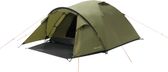
Dome tent (freestanding)
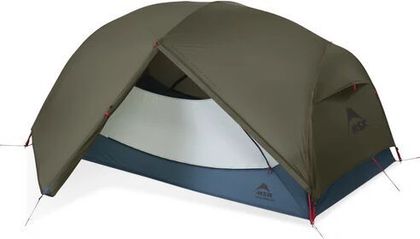
Stands without guying out, easy to move.
- Advantage: Quick to pitch
- Drawback: Sloping walls, less usable space
Tunnel tent (guyed out)
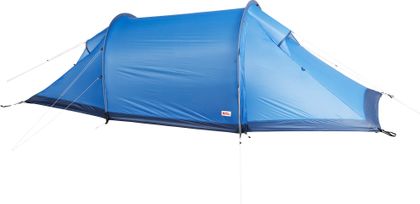
Lots of room for little weight, big vestibule.
- Advantage: Steep walls, lots of usable space
- Drawback: Only stands with pegs and guylines
Semi-geodesic tent
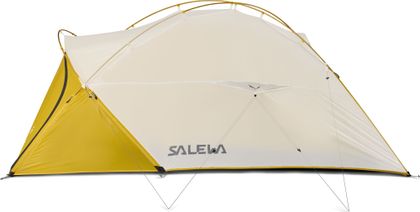
Crossing poles support a compact structure. Check the exact model’s weather guidance.
- Advantage: Stands up to wind and snow load
- Drawback: Heavier than dome and tunnel
What to check before you buy
| Question | In short | Why |
|---|---|---|
| How much space does one person need? | In short50 to 65 cm wide | WhyThat is the width of common sleeping pads; Therm-a-Rest makes them 51 or 64 cm wide. Two wide pads barely fit into 120 cm of inner width. Taking your kit inside? Go one size up. |
| What waterproof rating does a tent need? | In shortFloor from 5,000 mm | WhyLook for at least 3,000 mm on the flysheet and 5,000 mm on the floor. The floor needs more because knees and elbows press water through the fabric. |
| How heavy should a tent be? | In short2 to 5 kg for two | WhyLightweight tents for 2 to 3 people weigh about 2 to 5 kg, ultralight tents for 1 to 2 people 800 g to 2 kg. Camping tents for 4 to 10 people weigh 5 to 55 kg. |
| Single-wall or double-wall? | In shortDouble-wall in the wet | WhyA single-wall tent pitches fast and weighs little, but it does not keep condensation off your sleeping bag. In a double-wall tent it forms on the flysheet and the inner stays dry. |
Frequently asked questions
Do I need a footprint?
A footprint protects the tent floor from tears and dirt; on gravel and rock it is worth having.
Why is my tent wet inside?
Usually it is condensation, not a leak. Your breath and wet clothing release moisture, which condenses on the cool flysheet.
How do I clean and store a tent?
Let the tent dry completely after a trip before you pack it away. Clean off dirt with water and a sponge, no harsh cleaners.
What does freestanding mean?
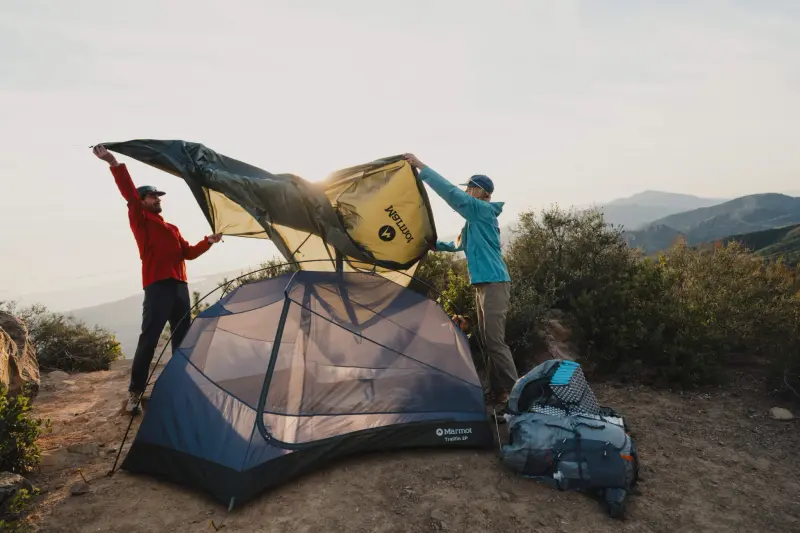
A freestanding tent holds its shape through the poles alone, as most dome tents do. You still need pegs and guylines against wind.
Last updated: October 2026
Trekking
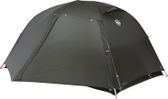
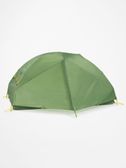
For backpacking trips, take a lightweight tent for two at 2 to 5 kg. A tunnel gives the most room per kilo; a dome stands without guying out.
- 2 to 5 kg
- Double-wall
- Vestibule for your kit
Solo
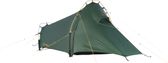
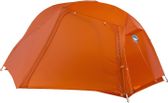
On your own, every gram counts: ultralight tents weigh 800 g to 2 kg. Look for 50 to 65 cm of inner width for your pad and a vestibule for your pack.
- 800 g to 2 kg
- Small pack size
- Vestibule
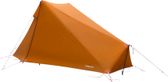
Family
For families, space comes before weight. Count one person more than you are and choose a tunnel tent you can stand up in at the porch.
- One person more
- Standing height
- Large porch
Tarp
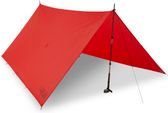
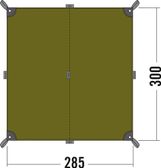
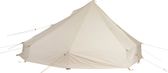
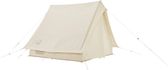
A tarp is a roof without a floor, 250 g to 1.5 kg light. You pitch it over a hammock, bike or cooking spot, often with trekking poles as masts.
- 250 g to 1.5 kg
- Trekking poles as masts
- No floor