Super deals: At least 50% off

Crampons & microspikes

Buying guide ↓

Guide

Crampons & microspikes

First decide whether you will stay on winter paths or enter alpine terrain. Then match the traction device to your footwear and learn the movement skills required for the route you are planning.

Key points

  • Winter-path microspikes and alpine crampons serve different purposes.
  • Boots, binding system and sole stiffness need to work together.
  • Automatic bindings require suitable toe and heel welts.
  • Anti-balling plates help reduce snow build-up beneath crampons.

Which traction for your route?

UseChooseBear in mind
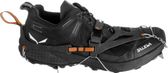
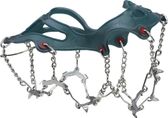
Icy winter pathsChooseMicrospikes with an elastic harnessBear in mindSize for the actual volume of your footwear and centre the chains beneath the sole.
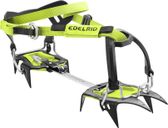
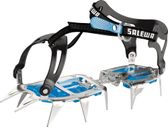
Alpine snow and iceChooseCrampons matched to your bootsBear in mindChoose steel or aluminium, binding and point shape for the route, with practical instruction in their use.
Ski touring on footChooseSuitable lightweight cramponsBear in mindCheck the ski boot and binding together; match the material to expected snow, ice and rock contact.

What to look for

QuestionIn briefWhy
Which binding?In briefFollow boot and crampon guidanceWhyStrap, hybrid and automatic systems each need suitable footwear. Check the exact combination rather than the size range alone.
Which material?In briefMatch the groundWhyAluminium saves weight on suitable snow routes. Steel is generally the more durable choice for frequent rock contact and harder use.
How should it fit?In briefAdjust on your own bootsWhyThe boot must sit securely without play or the crampon coming loose. Ask for a demonstration if you are uncertain about adjustment.

Common questions

Are microspikes enough for a glacier route?

For an alpine glacier route, plan suitable mountaineering crampons and the other required equipment. Microspikes help on winter paths but have a different construction. Have the equipment and skills for your particular route assessed by a qualified person.

Do strap bindings fit every boot?

Sole shape, stiffness and size range still need to match, even with straps. Compare the boot and crampon makers' guidance and check a secure fit on your own pair. A flexible harness cannot make every combination suitable.

What do anti-balling plates do?

They help reduce snow sticking beneath the crampons. Check that the plates are present and intact, and keep watching for snow build-up during use. Correct footwork and attention to changing snow conditions remain essential.

How should I store traction devices?

Clean and dry them fully after use. Inspect straps, rubber, chains and metal parts for wear. Suitable bags and point protectors help prevent sharp components from damaging the rest of your equipment during transport.

Last updated: November 2026

Categories

No products match these filters.
1 2 3
Singles Day: 5% off everything with MATCH5. Until Wed.
See the looks