
Sale: from 50 % off
No products match these filters.


Black Deal


Top brands in Synthetic Down Jackets





Show all brands
- 4F
- 8848 Altitude
- adidas Terrex
- Almgwand
- Armada
- Athlecia
- Atomic
- Bergans
- Berghaus
- Black Diamond
- Bleubird
- Bogner Fire + Ice
- Carhartt
- Carinthia
- CLWR ColourWear
- CMP
- Colmar
- Colmar Originals
- Color Kids
- Columbia
- Cotopaxi
- Craft
- Craghoppers
- Crazy
- Daehlie
- Dainese
- Dare2b
- Didriksons
- Dolomite
- Dynafit
- EA7
- Edelrid
- Elevenate
- Endura
- Ferrino
- Finkid
- Fjällräven
- G.I.G.A. DX
- Grüezi Bag
- Haglöfs
- Halti
- Helly Hansen
- Horsefeathers
- Houdini
- Hunter
- Icebreaker
- Isbjörn
- J.Lindeberg
- Jack Wolfskin
- Jeanne Baret
- Kari Traa
- Karpos
- killtec
- Klättermusen
- Krimson Klover
- La Sportiva
- LEGO® kidswear
- Lenz
- Liewood
- Lundhags
- Löffler
- Maier Sports
- Maloja
- Mammut
- Marmot
- Martini
- MAUL Sport
- MC2 Saint Barth
- Millet
- Mini a ture
- Mons Royale
- Montura
- Mountain Hardwear
- Napapijri
- Nikkie
- O'Neill
- Oakley
- Odlo
- Orage
- Pajak
- Picture
- Pinewood
- POC
- Protest
- Puma
- Rab
- Reima
- Rossignol
- Salewa
- Save the Duck
- Schöffel
- Scott
- Slope
- SOS
- Sportful
- Spyder
- Super.Natural
- Swix
- Tenson
- Ternua
- The North Face
- Timberland
- Trespass
- Uyn
- Vans
- VAUDE
- Viking
- Wheat
- Whistler
- Ziener
No brand found
Guide
Synthetic Insulation Jackets
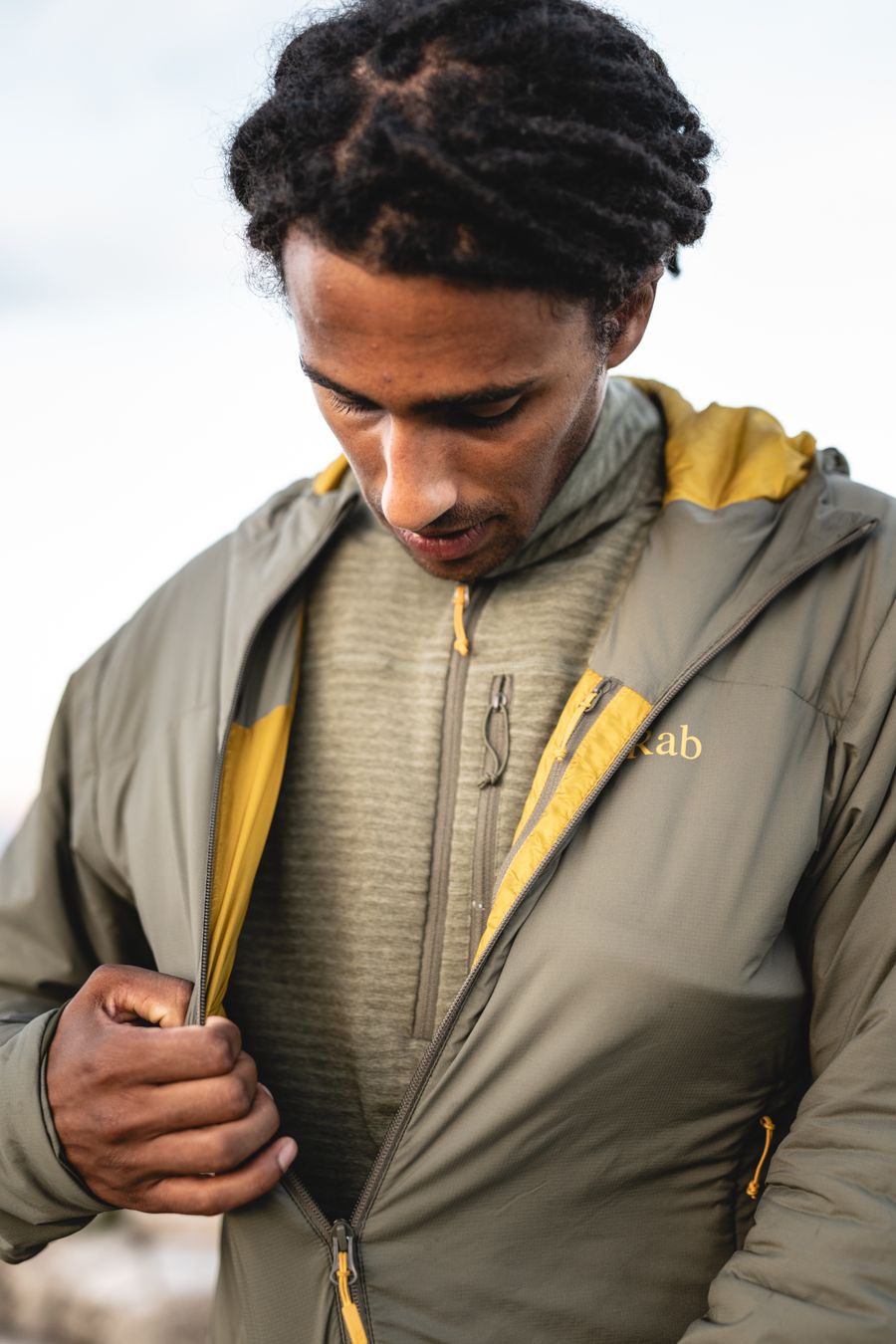
A thin synthetic jacket suits movement, a warm layer goes over it at stops. In damp conditions, synthetics retain more warmth than clumped down.
Key points
- As a guide: 40–60 g/m² for movement; 100 g/m² or more for longer stops.
- Active insulation releases more vapour; thick fill traps heat on climbs.
- Try a stop layer over your fleece and weather protection.
Guide
Understanding down and insulated jackets
Moving and stopping call for different insulation. Here is how to compare fill, construction and features.
Which insulation for which use?
| Use | What to expect | Your choice |
|---|---|---|
| Short walking stops | What to expectLimited rucksack space | Your choiceLight insulated jacket |
| Hard climbs | What to expectSweat and changing pace | Your choiceActive insulation or hybrid |
| Long belays | What to expectLittle movement, cold wind | Your choiceWarm overlayer |
| Town and bus stops | What to expectStanding rather than climbing | Your choiceLonger, warm cut |
What to check before you buy
| Question | In short | Why |
|---|---|---|
| What does the gram figure mean? | In shortFill weight per m² | Why80 g PrimaLoft Silver means 80 g of fill per square metre. Compare figures within the same insulation line. |
| Is the jacket waterproof? | In shortCheck construction | WhyDWR makes droplets bead. Steady rain also needs a membrane or coating and sealed seams. |
| Will it fit under a shell? | In shortMove arms freely | WhyReach overhead without pulling. The layers underneath must not be compressed. |
Read more in the magazine
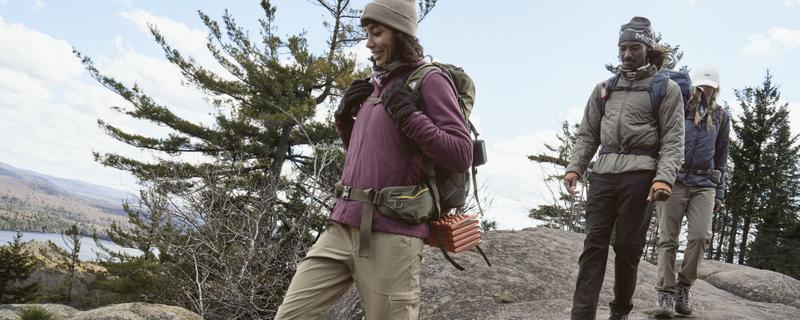 Marmot Hybrid Power for Every MovementWarm at the summit, cool on the ascent: Marmot's Revlo Hybrid Line combines PrimaLoft Silver Active with breathable stretch zones – warmth that moves with you.
 Why 30,000 mm is not always betterHydrostatic head is the most quoted buying criterion for rain jackets and tents, and the most misunderstood. We clear up the most persistent myths.
Last updated: November 2026