Super deals: At least 50% off
Guide
Caps & Hats
With caps and hats, brim shape, lining and adjustment determine coverage and how securely they stay in place.
Key points
- An all-round brim covers more than a front peak.
- Check the stated UV protection of the exact model.
- Wind calls for a secure fit and, where appropriate, a chin cord.
- Water-repellent and waterproof describe different performance.
Which option suits your use?
| Use | Choose | Why |
|---|---|---|
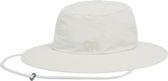
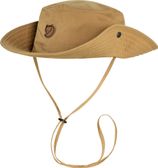
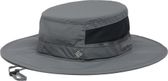
| Sunny days | ChooseHat with all-round brim | WhyCheck brim shape, stated UV protection and fit during movement. |
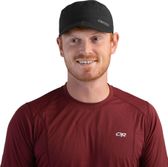
| Activity in warm weather | ChooseLight cap | WhyVentilation and sweatband should not create pressure while running or carrying a pack. |
| Cold days | ChooseLined hat | WhyCheck actual coverage of ears and the back of the head. An open-backed cap covers less there. |
| Wind and changeable weather | ChooseAdjustable close fit | WhyA hat should stay secure without pressing at the forehead. Read weather protection for the particular material. |
Types compared
Sun hat
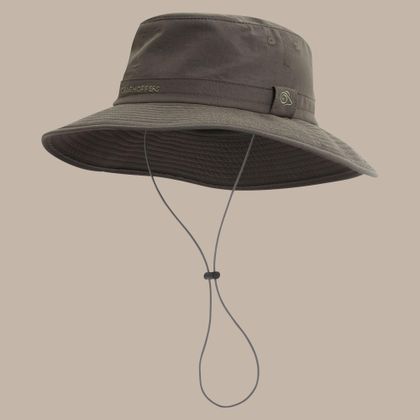
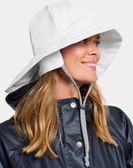
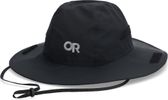
A brim around the crown defines a sun hat. It suits gentler outings with longer periods spent outdoors.
- Advantage: Shade extends around the sides and nape
- Drawback: Wide brims can fold in the wind
Light sports cap
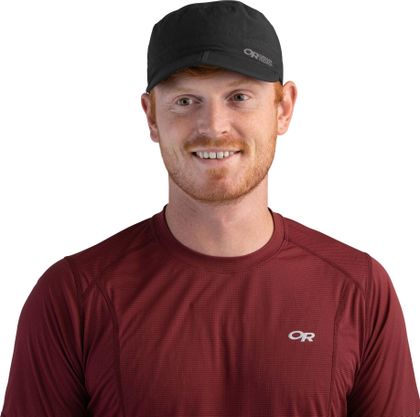
A short peak and low crown keep a sports cap compact. It suits activity where you want little fabric around your head.
- Advantage: Easy to wear beneath a hood
- Drawback: Ears and nape remain largely uncovered
Lined hat
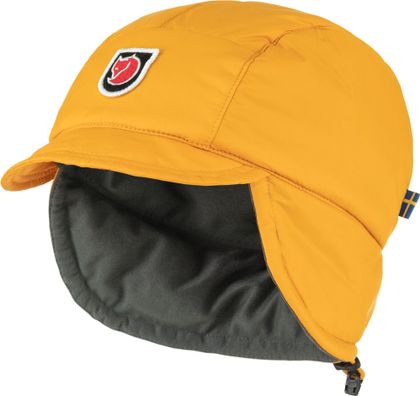
A padded crown and side coverage distinguish a winter cap. It suits cold walks and stops with little movement.
- Advantage: Extra insulation without a separate beanie
- Drawback: Heat builds up more readily during hard effort
What to look for when buying
| Question | In brief | Why |
|---|---|---|
| Which brim? | In briefConsider coverage | WhyA front peak covers differently from an all-round brim. Consider your position relative to the sun. |
| Which weather? | In briefRead the fabric claim | WhyWater-repellent fabric can perform differently in prolonged rain from an explicitly waterproof design. |
| Which circumference? | In briefUse the size chart | WhyMeasure along the intended hat line. Adjustment ranges and sizes differ between makers. |
| Which retention? | In briefMatch wind and activity | WhyA chin cord can improve retention. Check whether cord and fastening interfere with your activity. |
Frequently asked questions
How do I check the fit?
Measure head circumference at the hat line and compare the model’s chart. It should stay on during head movement without forehead pressure. Check whether glasses or a hood affect the fit.
Which specifications help when comparing hats?
Outdoor Research lists a weight of 68 g and UPF 50+ for the Helios Sun Hat. These figures apply to this model.
How do I compare different designs?
Compare pieces intended for the same activity. Fabric weight, fibre content, cut and weather protection describe different properties. A higher figure is not automatically the better choice.
How do I care for it?
Care and drying depend on fabric, brim construction and lining. Follow the model’s instructions. Do not machine-wash a shaped brim unless expressly permitted.
Last updated: October 2026
What for?
Sunny days
For prolonged sunshine, consider coverage at the sides of your face and neck.
- Hat with all-round brim
- Consider coverage
- Use the size chart
Activity in warm weather
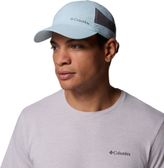
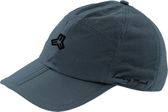
When walking quickly, the headwear should handle perspiration without rubbing your head.
- Light cap
- Consider coverage
- Use the size chart
Cold days
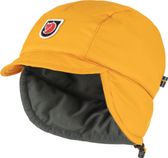
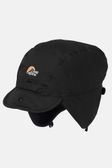
In cold conditions, ear coverage matters more than thick fabric only over the crown.
- Lined hat
- Consider coverage
- Use the size chart
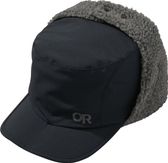
Wind and changeable weather
An adjustable circumference helps in wind; any cord should suit your activity.
- Adjustable close fit
- Consider coverage
- Use the size chart
No products match these filters.


Brands we carry


Show all brands
- 4F
- Alé
- Anon
- Athlecia
- Atomic
- Barts
- Bergans
- Berghaus
- Black Diamond
- Bleubird
- Bogner Fire + Ice
- Carhartt
- Carinthia
- Chillaz
- CMP
- cmp - collective (of) moving people
- Colmar
- Color Kids
- Columbia
- Cotopaxi
- Craft
- Craghoppers
- Crazy
- Dakine
- Dare2b
- Devold of Norway
- Didriksons
- Dynafit
- EA7
- Edelrid
- Eisbär
- Elevenate
- Emu Australia
- Endura
- EVOC
- Falke
- Ferrino
- Finkid
- Fjällräven
- Goldbergh
- Haglöfs
- HAIX
- Halti
- Helly Hansen
- Holebrook
- Holmenkol
- Horsefeathers
- Houdini
- Isbjörn
- J.Lindeberg
- Jack Wolfskin
- Jeanne Baret
- Kari Traa
- Karpos
- Klättermusen
- La Sportiva
- LEKI
- Level
- Liewood
- Lundhags
- Lupine
- Löffler
- Maloja
- Marmot
- Martini
- MAUL Sport
- Mavic
- MC2 Saint Barth
- Millet
- Minymo
- Mons Royale
- Montura
- Mountain Hardwear
- Napapijri
- Oakley
- Ocun
- Odlo
- Outdoor Research
- Pajak
- Picture
- Pinewood
- POC
- Protest
- Puma
- Rab
- Red Chili
- Reima
- Reusch
- RipCurl
- Rossignol
- Salewa
- Salty Crew
- Schöffel
- Scott
- Shred
- SOS
- Sportalm
- Sportful
- Super.Natural
- Sweet Protection
- Swix
- Tasmanian Tiger
- Tatonka
- Tenson
- Ternua
- The North Face
- Therm-Ic
- Timberland
- Under Armour
- VAUDE
- Victoria
- Wheat
- Whistler
- Wild Country
- Zanier
- Ziener
No brand found
