Stories
POC Amidal: The slim road cycling helmet with Mips Air Node
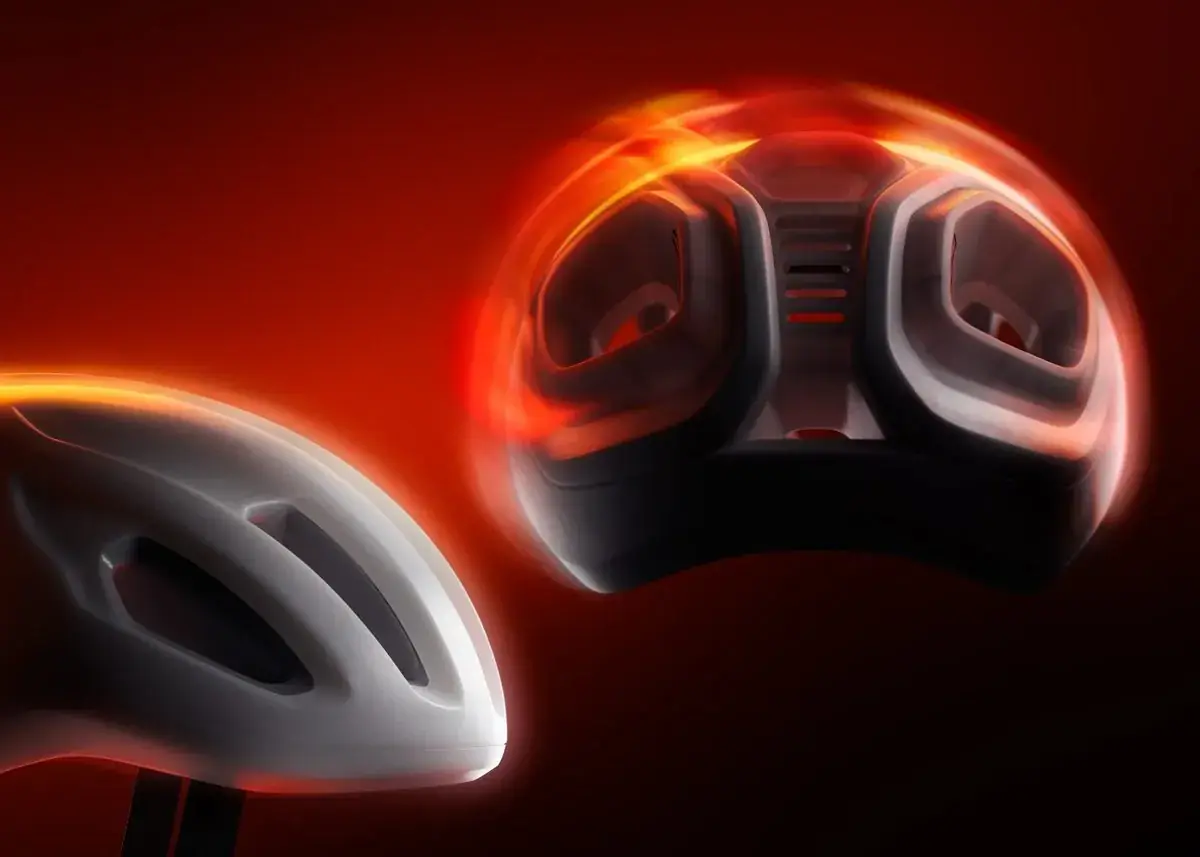
With the Amidal, Swedish safety specialist POC delivers a compact road cycling helmet featuring Mips Air Node, an EPS liner, reinforced rear zones and a dedicated rear mount for a Knog light.
Watch the article video
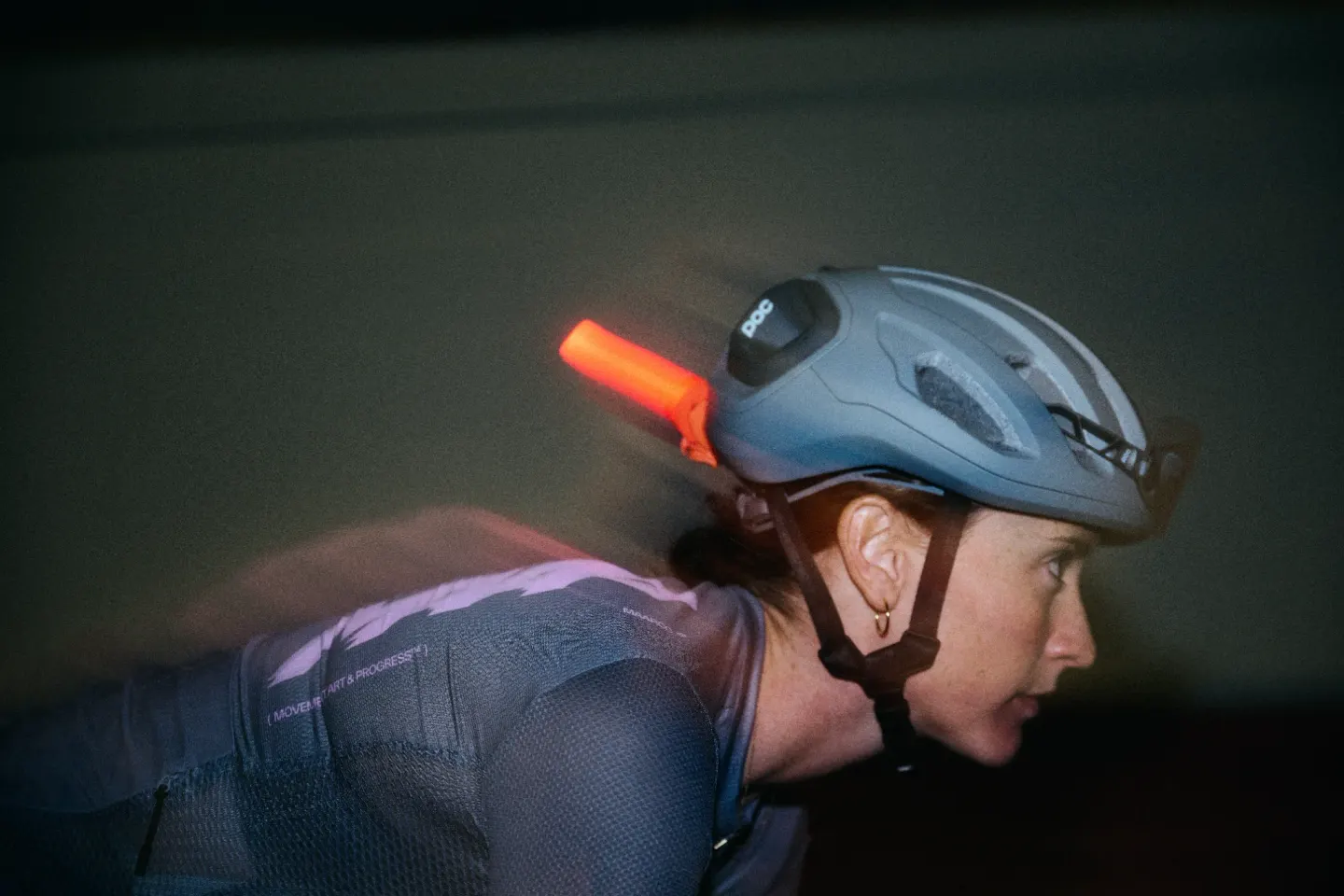
With the POC Amidal, the Swedish brand brings a road cycling helmet built around two clear goals: a compact profile and dedicated impact protection. Weighing 300 g in size S and 340 g in size L, it stays light on long days in the saddle.
What stands out first is the scaled-down silhouette. Especially on smaller heads, the Amidal sits noticeably closer and tidier than bulky road lids. Inside, internal airflow channels direct cooling air over the head; outside, reinforced rear zones stiffen the shell and define the helmet's sharp shape.
Check current colours and sizes of the POC Amidal in the SportFits shop.
View POC AmidalPOC kept the feature list focused on what matters on the road: rotational impact protection, steady airflow, a reliable fit and higher rear visibility in traffic. Sizes cover 50 to 56 cm (S), 54 to 59 cm (M) and 56 to 61 cm (L), certified to the European cycling helmet standard EN 1078.
Silhouette Slim & compact
Compact, low-volume profile that sits neatly even on smaller head shapes without looking oversized.
Protection EPS + Mips Air Node
Polycarbonate outer shell over an EPS liner for direct impacts, paired with Mips Air Node for angled falls.
Ventilation Internal channels
Internal airflow channels guide air across the head to help manage heat on long climbs.
Fit system 360-degree fit
A 360-degree adjustment system wraps evenly around the head for a stable hold across sizes S to L.
Visibility Knog light mount
Integrated rear mount designed for a dedicated Knog rear light (sold separately) at driver eye level.
Structure Reinforced rear
External reinforcement zones at the back of the shell add structural stability.

Inside the Amidal, two layers handle different crash forces. The polycarbonate outer shell covers an EPS liner tuned to absorb linear impact energy through controlled compression.
On top of that sits Mips Air Node, a low-friction layer bonded directly to the comfort padding. Because it integrates into the pads rather than adding a separate plastic cradle, it adds almost no extra bulk while still allowing slight sliding motion during angled impacts to help reduce rotational forces on the head.
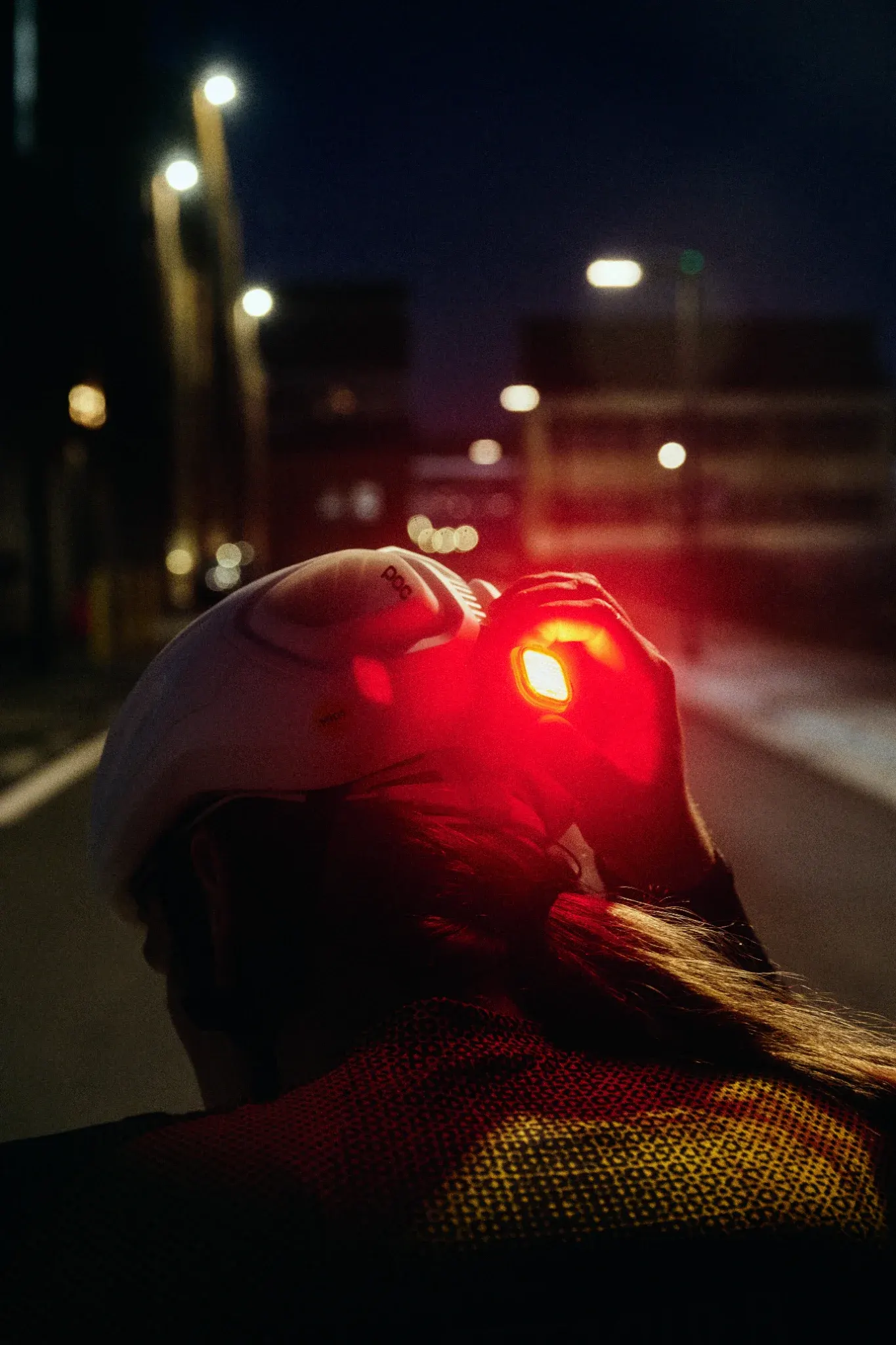
One practical detail sets the Amidal apart from standard road helmets: a built-in mount at the back of the shell for a dedicated rear light developed with Australian lighting brand Knog. Positioned on the helmet instead of the seatpost, the light sits higher and closer to the line of sight of approaching drivers.
That extra height helps in dusk light, rain and daily commuting. Note before buying: the Knog rear light is not included with the helmet and must be purchased separately.
Matching gear
 POCCalyx Carbon311.85€View product →
 POCTectal91.95€View product →
 POCKnog Mini Helmet Light35.95€View product →
 POCCrane Mips76.15€View product →
 POCOctal Mips161.05€View product →
 POCCoron Air Mips253.95€View product →
 POCCularis Pure116.15€View product →
 POCOmne Beacon Mips188.55€View product →
Founded in Stockholm in 2005, POC started with ski racing helmets and body armour before expanding into mountain biking in 2008 and later road cycling, eyewear and apparel. The brand's guiding mission has stayed the same: protecting athletes and reducing the consequences of accidents.
To back up that goal, POC works with two internal research teams. In the POC Lab, engineers collaborate with medical specialists, brain researchers and spinal injury experts on impact protection. The POC WATTS Lab focuses on aerodynamics and riding efficiency. Form follows safety function across the entire POC bike helmet lineup, and the Amidal reflects that approach.
Does the Amidal match your riding?
- 1
If you want a road helmet with Mips Air Node and EN 1078 certification
the Amidal is a focused, lightweight choice
- 2
If you prefer a slim, close-fitting shape over an oversized aero shell
its scaled-down silhouette fits cleanly, especially on smaller heads
- 3
If you ride regularly in dusk light or city traffic
the dedicated rear mount for a Knog light adds useful height and visibility
- 4
If you mostly ride technical MTB or enduro trails
a dedicated trail model like the POC Tectal with a visor and deeper coverage suits you better
Frequently asked questions
Is the Knog rear light included with the POC Amidal?
No. The rear shell includes the dedicated mount for the Knog light, but the light itself is sold separately.
What protection systems are built into the Amidal?
It combines a polycarbonate outer shell and an EPS liner for direct impacts with Mips Air Node to reduce rotational forces in angled falls. External rear zones add structural reinforcement, and the helmet is certified to EN 1078.
How much does the POC Amidal weigh and which sizes are available?
According to the product specification, the Amidal weighs 300 g in size S and 340 g in size L. Sizes cover 50 to 56 cm (S), 54 to 59 cm (M) and 56 to 61 cm (L), fine-tuned with a 360-degree adjustment system.
How does the Amidal fit on smaller heads?
POC designed the Amidal with a deliberately slim, low-volume silhouette. On smaller heads it avoids the bulky overhang common on many classic road helmets.
When should I replace a POC cycling helmet?
Replace the helmet immediately after any crash or hard impact, even if no cracks are visible. Without a crash, POC recommends replacing helmets after three to five years of regular use.

SportFits editorial team
Marketing & Sales Manager at SportFitsNiklas is Marketing & Sales Manager at SportFits and studied applied sports science in Regensburg. In the magazine he writes about training science, fitness and longevity, putting trends into scientific context instead of simply celebrating them. He also looks at what really matters in outdoor gear: honest facts instead of empty advertising language.
Author profile →SportFits
outdoors looks good on you