Don't have a SportFits user account yet? Then register now, save on your first order, and enjoy many benefits such as parcel tracking and easy returns.
This website uses cookies, which are necessary for the technical operation of the website and are always set. Other cookies, which increase the comfort when using this website, are used for direct advertising or to facilitate interaction with other websites and social networks, are only set with your consent.
Configuration
Technically required
These cookies are necessary for the basic functions of the shop.
"Allow all cookies" cookie
"Decline all cookies" cookie
Adyen JSESSIONID
Adyen _fbp
Adyen _ga
Adyen _gcl_au
Adyen _gid
Adyen _hjid
Adyen _mkto_trk
Adyen _rp_uid
Adyen _uetsid
Adyen _uetvid
Adyen datadome
Adyen gdpr
Adyen lastUpdatedGdpr
Adyen rl_anonymous_id
Adyen rl_user_id
Amazon Pay
CSRF token
Cookie preferences
Currency change
Customer recognition
Customer-specific caching
Editor functionality
Individual prices
PayPal payments
Selected shop
Session
Comfort functions
These cookies are used to make the shopping experience even more appealing, for example for the recognition of the visitor.
Note
Statistics & Tracking
Affiliate program
Conversion and usertracking via Google Tag Manager
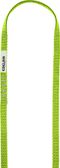
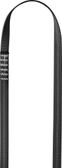
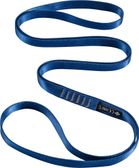
Sewn slings, accessory cord and adjustable lanyards have different jobs. Choose for the technique you have learnt and the manufacturer's instructions rather than length or colour alone.
Key points
Check explicit approval for personal protection.
Match material and diameter to the intended technique.
Retire damaged or heavily loaded textile equipment in good time.
Bear in mindChoose length and material for the application you have learnt.
Friction knots and systems
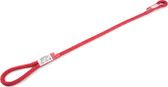
ChooseSuitable accessory cord
Bear in mindConsider diameter, material and interaction with the rope.
Positioning at a stance
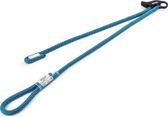
ChooseApproved lanyard
Bear in mindFollow instructions for attachment and operation, avoiding a fall into it.
What to look for
Question
In brief
Why
Which length?
In briefStart with the task
WhyA long sling adds reach but can hang awkwardly. Plan its application before buying.
Nylon or thin fibres?
In briefConsider knots and handling
WhyMaterials behave differently. Follow the intended products and manufacturer guidance for your technique.
When should I replace it?
In briefCheck condition and history
WhyCuts, abrasion, heat and chemicals can damage textiles. Also follow the service life stated in the instructions.
Common questions
Can all accessory cord be used for climbing?
Personal protection requires equipment explicitly intended for it. Packing and transport cords do other jobs. Read the intended use and technical documents before adding any cord to a safety system.
Can a sling replace a via ferrata lanyard?
Via ferrata requires an appropriate energy-absorbing lanyard. An ordinary sling does not absorb fall energy in the same way. Use slings only for applications you have learnt and that are approved, and avoid falling onto them.
How do I choose cord for friction knots?
Its interaction with the rope depends on material, diameter and the knot. Learn a suitable combination on a course and check the manufacturer's guidance. A randomly chosen thin cord cannot replace that matching process.
How should I store textile equipment?
Keep it dry, away from light, chemicals and sharp edges. Inspect it after trips and record unusual loading. Have damaged equipment or items with an uncertain history assessed by a competent person or replace them.
This website uses cookies, which are necessary for the technical operation of the website and are always set. Other cookies, which increase the usability of this website, serve for direct advertising or simplify interaction with other websites and social networks, will only be used with your consent.
More information