Super deals: At least 50% off
Guide
Tents
A tent should suit your mats, luggage and transport. Compare usable inner space and pitching system before choosing only by the stated person count.
Key points
- Match inner dimensions to your mats and luggage.
- For long walks, assess weight and packed size together.
- For cycling, pay particular attention to packed pole length.
- Pitch location and guying are part of planning, not an afterthought.
Which option suits your use?
| Use | Choose | Why |
|---|---|---|
| Lightweight walking | ChooseCompact trekking tent | WhyCompare inner area and complete carrying weight. A minimum-weight figure may exclude accessories. |
| Longer stays | ChooseMore room at camp | WhySleeping area, sitting height and access matter more for longer stays. Check room for luggage too. |
| Demanding trips | ChooseTrip-specific construction | WhyCompare pitching, ventilation and guying using maker specifications. An alpine name does not guarantee suitability for every weather condition. |
| Cycling trips | ChooseManageable packed size | WhyCheck pole length and attachment on your bicycle. The complete bag should sit without rubbing or swinging. |
Types compared
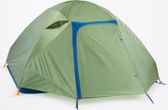
Compact trekking tent
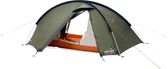
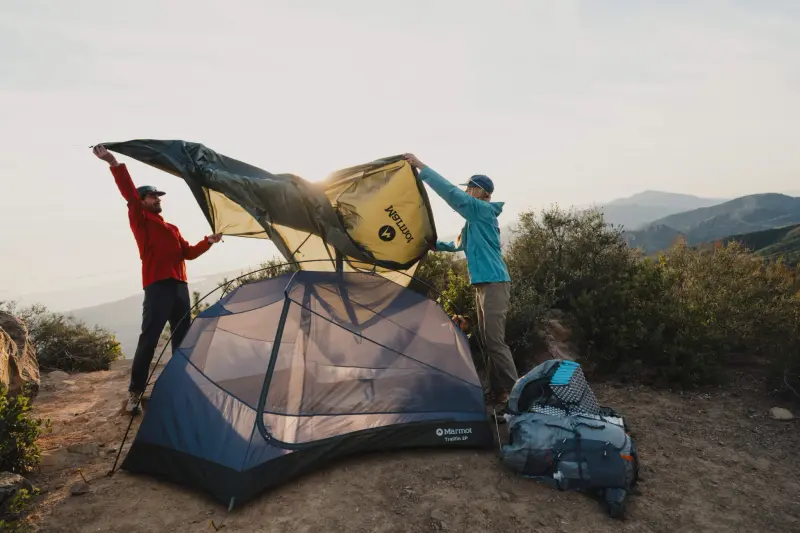
Separate inner and outer tents sit on a compact frame. It suits walkers carrying their sleeping place in a rucksack.
- Advantage: Takes little space among other trekking equipment
- Drawback: Limited storage space beside the sleeping mat
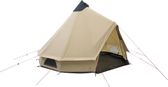
Roomy camp tent
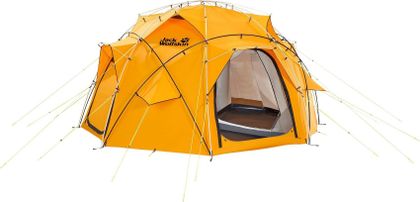
A spacious geodesic structure creates a communal area at camp. It suits groups and longer-established camps.
- Advantage: More indoor room for changing and sorting luggage
- Drawback: Bulkier on walking trips than compact trekking designs
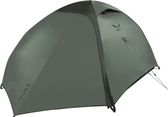
Alpine expedition tent
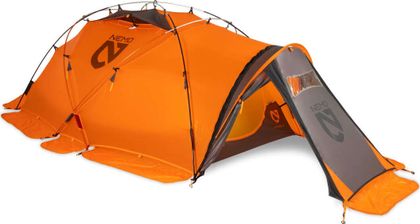
External poles and multiple guying points define the alpine tent. It suits trips requiring a deliberately planned pitch.
- Advantage: Inner and outer tent can be pitched together
- Drawback: Additional guying points need more pitching space
What to look for when buying
| Question | In brief | Why |
|---|---|---|
| How much inner room? | In briefMeasure your mats | WhyPerson counts are not standard comfort dimensions. Compare width, length and usable area with your sleeping mats. |
| Which weight? | In briefCompare included parts | WhyMinimum and packed weights may include different parts. Compare figures defined in the same way. |
| Which setup? | In briefInclude pitching area | WhyPoles, pegs and guy lines need space and suitable ground. Check the intended pitching system. |
| How will it be packed? | In briefPacked length and access | WhyPoles may be distributed differently on a bike and in a rucksack. Check protective bag and access with your equipment. |
Frequently asked questions
How do I check the fit?
Lay your intended mats side by side and compare their dimensions with the inner tent. Consider sitting height, access and luggage. Pitch the tent as instructed before your trip.
Which maker specification helps when comparing?
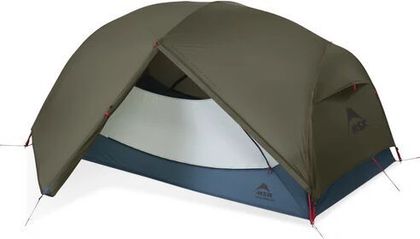
MSR lists 99 cm inner height for the linked Hubba Hubba HD version. Check sitting comfort and sleeping space against the other inner dimensions too.
How do I compare different designs?
Compare versions intended for the same use. Dimensions, capacity, weight and weather protection describe different properties. Check interfaces and the complete setup with your existing equipment.
How do I care for it?
Remove dirt before packing and dry the tent fully as directed. Check poles, zips and guying points. Treat coatings and seams only with approved products.
Last updated: October 2026
Lightweight walking
When carrying everything yourself, include the packed size of the full tent and required fixings.
- Compact trekking tent
- Measure your mats
- Include pitching area
Longer stays
For longer stays, allow room for changing clothes and storing luggage.
- More room at camp
- Measure your mats
- Include pitching area
Demanding trips
For demanding pitches, familiarise yourself with the intended setup and accessible guying points beforehand.
- Trip-specific construction
- Measure your mats
- Include pitching area
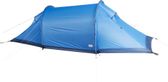
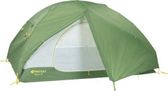
Cycling trips
For cycle transport, poles and bag should neither reach the tyres nor rub against their mounts.
- Manageable packed size
- Measure your mats
- Include pitching area