
Sale: from 50 % off
Guide
Work & Safety Shoes
Choose work footwear first by the marking required at your workplace. Then compare cuff height, ventilation and fit for the task.
Key points
- Workplace risk assessment determines protection; appearance does not.
- Occupational footwear and safety footwear serve different requirements.
- ESD footwear does not protect against electric shock.
- Use insoles only in combinations approved for that footwear.
Which option suits your use?
| Use | Choose | Why |
|---|---|---|
| Dry workplaces | ChooseVentilated safety footwear | WhyVentilation must not compromise the protection specified for the task. |
| Wet and dirty work | ChooseEnclosed uppers | WhyRead the protective class and stated water resistance separately. |
| Work and service | ChooseOccupational shoe as specified | WhyAn occupational shoe without a protective toe cap cannot replace required safety footwear. |
| Rough ground | ChooseHigh shaft and tread | WhyMatch sole, shaft and additional markings to the workplace. |
Types compared
Ventilated safety shoe
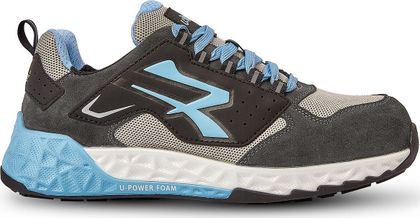
A protective toe cap and flexible insert define this light low shoe. It suits indoor work where workplace requirements permit.
- Advantage: Flexible forefoot for walking and crouching
- Drawback: Not a default choice for continuously wet work
Enclosed safety shoe
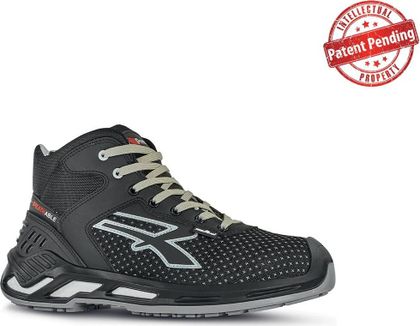
A closed leather upper surrounds the protective construction. It suits work involving contact with materials and dirt.
- Advantage: Less direct entry of dirt from above
- Drawback: A closed construction limits air exchange
Occupational shoe
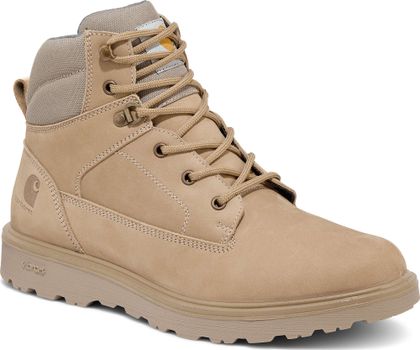
An occupational boot without a rigid toe cap leaves the forefoot freer. It suits tasks where this version is explicitly sufficient.
- Advantage: No hard toe-cap edge above the toes
- Drawback: Cannot replace mandatory safety footwear
What to look for when buying
| Question | In brief | Why |
|---|---|---|
| Which approval? | In briefRead the requirements first | WhyDGUV bases footwear selection on the actual task and hazards. |
| Which markings? | In briefCompare standard and symbols | WhyIndividual symbols supplement the class; they do not form a universal ranking. |
| Which fit? | In briefTry with work socks | WhyA broad toe cap cannot compensate for pressure at the sides or a slipping heel. |
| Which insole? | In briefChoose an approved system | WhyDGUV warns that unsuitable insoles can affect protective performance. Follow the maker’s approval. |
Frequently asked questions
How do I check the fit?
Try both shoes with your work socks. Toes must not press against the protective cap, and the heel should stay held while walking. A longer size does not correct an overly narrow last.
Does every work shoe need a protective toe cap?
DGUV distinguishes safety footwear with a toe cap rated for 200 J from occupational footwear without that protective cap.
Can I rely on my usual size?
Use the chart for the exact model. Size labels can differ between brands and lasts. Compare both feet and check the product’s width and fit notes before ordering.
How do I care for it?
Clean the uppers as directed and inspect soles, seams and fastening. After damage, have continued use assessed against workplace requirements.
Last updated: October 2026