Super deals: At least 50% off
Guide
Women's Approach Shoes
An approach shoe should roll comfortably on paths and stand precisely on rocky steps; try heel hold, toe space and lacing with the socks you will wear on the route.
Key points
- Your toes should not hit the front when walking downhill.
- For small footholds look at sole edging and forefoot lacing.
- Choose water protection and ankle height for the whole route.
Which shoe suits the route?
| Use | Choose | Bear in mind |
|---|---|---|
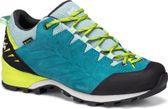
| Rocky approach | ChooseLow-cut approach shoe | Bear in mindA grippy toe zone helps with precise steps; the shoe should still roll comfortably over longer paths. |
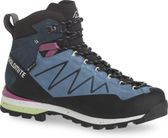
| Wet paths and grass | ChooseModel with a membrane | Bear in mindWater can enter over the opening; tread and fit still matter alongside the membrane. |
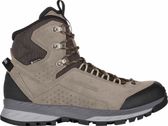
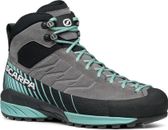
| Scree and longer mountain paths | ChooseHigher cuff | Bear in mindMore ankle coverage changes movement and support; try high steps before choosing the cut. |
Which design suits you?
Low approach shoe
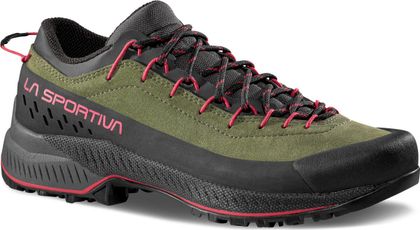
Leaves the ankle free and gives a direct feel on footholds.
- Advantage: Little cuff to obstruct high steps
- Drawback: Less coverage against stones at the ankle
Higher cuff
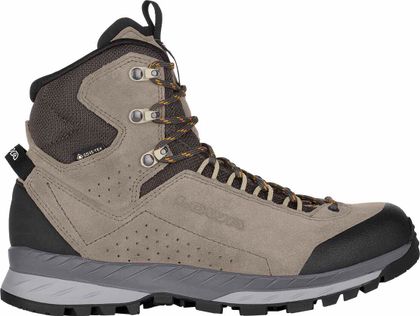
Covers the ankle on approaches with scree and more demanding walking sections.
- Advantage: More coverage beside the ankle
- Drawback: Cuff can restrict movement more
What to look for
| Question | In brief | Why |
|---|---|---|
| Which size? | In briefCheck downhill with walking socks | WhyThe heel needs to hold while toes retain room. The same stated size can fit differently between makers. |
| Which lacing? | In briefAdjust the forefoot carefully | WhyLacing that extends towards the toes helps fine adjustment but must not squeeze the toes together. |
| Which sole? | In briefConsider the entire route | WhyRocky footholds require different properties from long muddy paths; choose for the whole approach. |
Common questions
Are approach shoes also climbing shoes?
Approach shoes are designed for walking sections and easier rocky passages. More demanding climbing may require dedicated footwear and equipment appropriate to the route. Check the model's intended use rather than deciding solely by a smooth rubber area at the toe.
Do I need a high cuff for via ferrata?
That depends on paths, scree and your preferred support. A higher cuff covers the ankle more but can limit movement. Try deep bends and high steps; a low shoe may also suit an appropriate route, provided it fits securely and is suitable for the terrain.
How should a women's last fit?
The heel should remain stable and the forefoot should not be squeezed sideways. Compare the maker's chart with your feet and try both shoes with walking socks. A narrower last helps only when it matches the shape of your own foot.
Is a membrane always useful?
It can be helpful on wet grass and damp approaches. In heat or on dry paths a more ventilated shoe may feel better. Water entering above the cuff is not stopped by a membrane; consider the complete route and expected weather when making the choice.
Last updated: November 2026
What is the approach like?
Dry rock
A low approach shoe with a suitable toe zone helps on rocky steps while remaining comfortable on the walk.
- Secure heel
- Toe space
- Adjust lacing
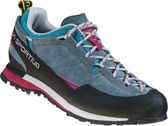
Wet paths
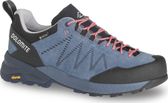
Compare membrane and tread separately and remember the open cuff at the top.
- Check membrane
- Suitable tread
- Measure feet
Scree
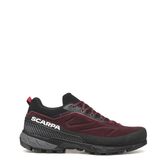
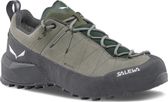
A higher shoe covers the ankle; check freedom of movement when taking high steps.
- Comfortable cuff
- Check downhill
- No pressing edges
Long walk-in
For long approaches choose a fit that stays comfortable at heel and forefoot over repeated steps.
- Try walking socks
- Check rolling action
- No pressure points
No products match these filters.


