Don't have a SportFits user account yet? Then register now, save on your first order, and enjoy many benefits such as parcel tracking and easy returns.
This website uses cookies, which are necessary for the technical operation of the website and are always set. Other cookies, which increase the comfort when using this website, are used for direct advertising or to facilitate interaction with other websites and social networks, are only set with your consent.
Configuration
Technically required
These cookies are necessary for the basic functions of the shop.
"Allow all cookies" cookie
"Decline all cookies" cookie
Adyen JSESSIONID
Adyen _fbp
Adyen _ga
Adyen _gcl_au
Adyen _gid
Adyen _hjid
Adyen _mkto_trk
Adyen _rp_uid
Adyen _uetsid
Adyen _uetvid
Adyen datadome
Adyen gdpr
Adyen lastUpdatedGdpr
Adyen rl_anonymous_id
Adyen rl_user_id
Amazon Pay
CSRF token
Cookie preferences
Currency change
Customer recognition
Customer-specific caching
Editor functionality
Individual prices
PayPal payments
Selected shop
Session
Comfort functions
These cookies are used to make the shopping experience even more appealing, for example for the recognition of the visitor.
Note
Statistics & Tracking
Affiliate program
Conversion and usertracking via Google Tag Manager
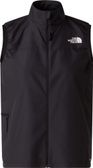
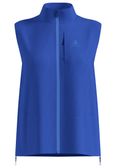
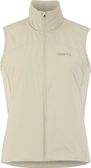
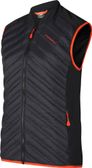
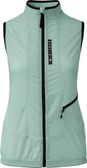
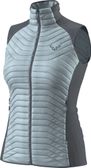
A running gilet should protect your torso while leaving your arms free. Distinguish a light wind shell from insulating fill and check the cut over your usual running top.
Key points
Compare wind protection at the front and airflow at the back.
More insulation for cold, less for hard sessions.
Choose pockets that keep keys and a phone steady as you run.
Bear in mindIt should pack away easily when you warm up.
Cold gentle run
ChooseInsulated gilet
Bear in mindMatch the filling to your pace and check that the back releases enough heat.
Changeable hilly route
ChooseLight hybrid gilet
Bear in mindFront protection and airy panels help as you switch between climbs and descents.
What to look for
Question
In brief
Why
How close should it fit?
In briefFree arm movement
WhyArm openings should not rub against the layer beneath. Leave shoulder room for your running action.
Hood or collar?
In briefConsider your use
WhyA high collar covers the neck. A hood should stay secured or lie quietly rather than bounce while running.
What goes in the pockets?
In briefKeep weight steady
WhyTry gentle jumps with a loaded pocket. Larger water supplies need a purpose-built hydration vest.
Common questions
Is a hydration vest a warm running gilet?
A hydration vest carries bottles or a reservoir, which is a different job from an insulating clothing layer. Decide whether you need weather protection or carrying space, combining the two as separate layers if necessary.
Do fast runs need much insulation?
Hard exercise produces considerable warmth. A thin wind-resistant front may then be enough. Gentler pace, breaks and colder conditions can call for more insulation; adjust the choice to your own warmth needs.
How do I check the fit across my chest?
Wear your usual running top and sports bra. Close the gilet, take a deep breath and reach forwards. The zip should not pull, but the fabric should not flap excessively either. Check arm openings while moving.
Can I wear the gilet in rain?
Read the stated weather protection. Water-repellent fabric copes better with brief drops than prolonged rain and still leaves your arms exposed. A suitable waterproof running jacket offers more complete coverage for a long wet run.
This website uses cookies, which are necessary for the technical operation of the website and are always set. Other cookies, which increase the usability of this website, serve for direct advertising or simplify interaction with other websites and social networks, will only be used with your consent.
More information