Super deals: At least 50% off
Guide
Women's low shoes
A low shoe can allow comfortable movement on easy paths and in daily use. Compare foot shape and heel hold first, then tread and water protection for your usual routes.
Key points
- Allow forefoot width without letting the heel slip.
- Choose stated waterproof construction for wet paths.
- Match sole and tread to ground and walking distance.
Where will you walk?
| Use | Choose | Bear in mind |
|---|---|---|
| Walking trails | ChooseLow shoe with suitable tread | Bear in mindThe heel should stay held as the foot rolls; uneven ground calls for suitable guidance around the foot. |
| Town and firm paths | ChooseFlexible everyday shoe | Bear in mindSmooth rolling and comfortable standing matter more than very deep tread. |
| Rocky approach | ChoosePurpose-designed approach shoe | Bear in mindCompare sole construction and intended use, especially when standing on small rock footholds. |
Which shoe shape suits you?
Everyday shoe (For firm paths)
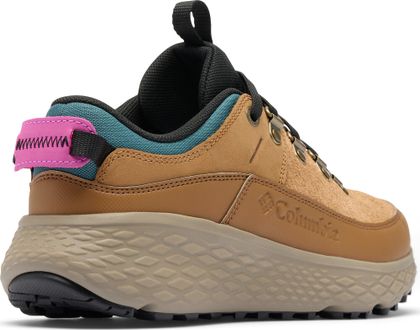
A flexible sole rolls comfortably on daily routes. Compare comfort when standing too.
- Advantage: Comfortable on firm everyday paths
- Drawback: Less precise support on small rock footholds
Low walking shoe (For easy outings)
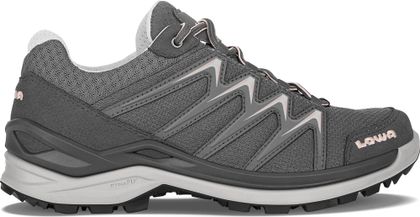
A low, treaded shoe with waterproof construction for wet paths. The ankle opening stays uncovered.
- Advantage: Water protection through the upper
- Drawback: Water can enter over the low collar
Approach shoe (For rock contact)
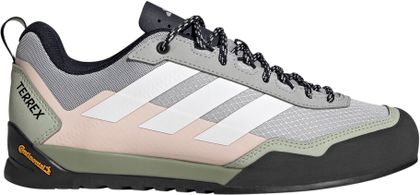
The sole shape balances walking with more precise rock contact. Check rolling comfort for longer walks.
- Advantage: Precise footing on rock
- Drawback: A firmer sole may feel less soft on tarmac
What to look for
| Question | In brief | Why |
|---|---|---|
| Which width? | In briefFoot shape before extra length | WhyIf the forefoot feels squeezed, compare a wider last. A longer size may leave the heel loose at the same time. |
| Which sole? | In briefTry it for your ground | WhyIt should roll comfortably on tarmac and grip loose surfaces appropriately. A low collar still leaves your ankle uncovered. |
| Which lacing? | In briefHold the instep evenly | WhyLacing should guide the foot without needing to be tightened until the instep hurts or feels numb. |
Common questions
Are women's models always narrower?
Shape varies by brand and model. Compare the width information and try them with your intended socks. A stated wider fit may suit a broad forefoot better.
How do I check the length?
Stand with weight through your foot and also walk down a slope. Your toes need space without hitting the front; your heel should not lift with every step.
When is a membrane useful?
Waterproof construction can help on frequently wet paths. Airier uppers may feel more comfortable in dry warmth. Water can still enter from above through the low opening.
Can I wear any low shoe on scree?
Check the intended use and support from the sole. Loose, steep ground requires suitable sure-footedness and equipment; compare higher walking boots too if you need more support.
Last updated: November 2026
Where will you wear them?
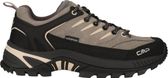
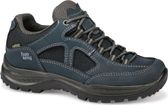
Easy walking trails
Try the shoe uphill and downhill. Your heel should stay steady, toes need room and tread should suit the route.
- Try with your socks
- Hold the heel
- Check downhill fit
Town and walks
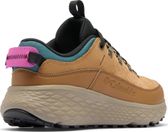
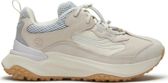
For firm daily routes compare flexibility and feel against your foot. Comfortable standing matters as well as walking.
- Roll through the sole
- Check pressure points
- Consider care
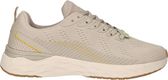
More forefoot room
When the front feels squeezed, another width often helps more than extra length. Still check heel security.
- Check forefoot width
- Consider instep space
- Check the heel
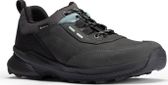
Rocky paths
For small footholds and stony paths, consider sole construction and foot guidance. The low collar leaves the ankle free.
- Read intended use
- Examine the sole
- Check foothold feel
No products match these filters.


