Super deals: At least 50% off
Guide
Rain Boots
With wellington boots, cuff height, lining and calf width determine use. Match leg coverage to the wet-weather routes you actually walk.
Key points
- Choose shaft height for puddles and wet grass.
- The shaft must fit your calf with trousers and socks.
- For cold days, check lining and underfoot insulation separately.
- A rain boot is not automatically safety footwear.
Which option suits your use?
| Use | Choose | Why |
|---|---|---|
| Short rainy walks | ChooseLow shaft | WhyA short shaft is easy to put on but covers less of the leg. |
| Cold days | ChooseLined construction | WhyCheck the lining and specific maker’s information. Perceived warmth remains individual. |
| Wet grass | ChooseTall shaft | WhyCheck calf fit with your trousers, including when bending the leg. |
| Children | ChooseSuitable children’s last | WhyLeave room while ensuring that the heel stays held. |
Types compared
Short rain boot
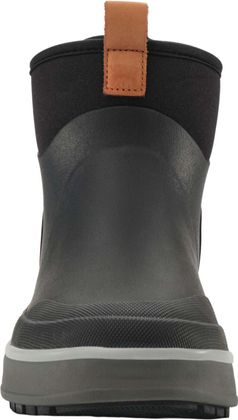
A low rubber cuff ends near the ankle. It suits short wet-weather trips with frequent changes of footwear.
- Advantage: Easier to wear beneath a trouser hem
- Drawback: Water can reach the cuff edge sooner
Lined rain boot
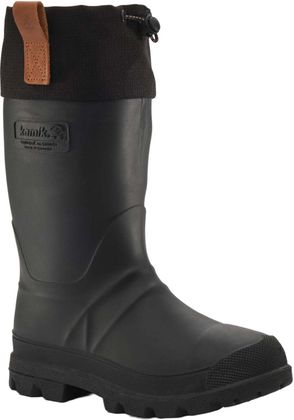
An insulating lining supplements the water-resistant outer construction. It suits people who feel cold readily on wet walks.
- Advantage: Less direct contact with a cold outer shell
- Drawback: Extra lining reduces the available internal space
Tall rain boot
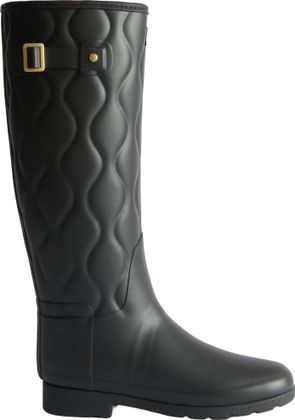
A tall cuff covers much of the lower leg. It suits wet meadows and routes with more splashing.
- Advantage: More distance between ground and boot opening
- Drawback: A long cuff can press against fuller calves
What to look for when buying
| Question | In brief | Why |
|---|---|---|
| Which height? | In briefWater and movement | WhyA tall shaft covers more but can restrict the calf crease when kneeling. |
| How much warmth? | In briefChoose lining for the task | WhyHeavy lining can feel too warm on mild rainy days. |
| Which sole? | In briefMatch tread to ground | WhyA shallow fashion tread differs from a pronounced outsole for soil and mud. |
| Which width? | In briefCheck foot and calf | WhyA good fit around the foot is not enough if the shaft constricts over thick trousers. |
Frequently asked questions
How do I check the fit?
Try with the intended socks and walk a few steps. Some heel movement is acceptable, but it should not lift out constantly. Check the shaft when seated, kneeling and wearing outdoor trousers.
How thick is the neoprene in a rain boot?
Kamik lists synthetic rubber with 3 mm neoprene for the women’s Lowtide. This does not establish a universal temperature limit.
Can I rely on my usual size?
Use the chart for the exact model. Size labels can differ between brands and lasts. Compare both feet and check the product’s width and fit notes before ordering.
How do I care for it?
Rinse off dirt and follow the care instructions for the particular rubber. Dry the lining before storage. Avoid aggressive cleaners or direct heat unless permitted in the maker’s instructions.
Last updated: October 2026
What for?
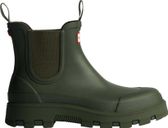
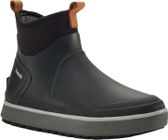
Short rainy walks
A short opening suits quick trips outside when you do not need extensive leg coverage.
- Low shaft
- Water and movement
- Match tread to ground
Cold days
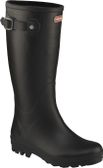
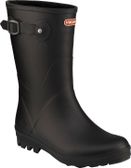
For cold days, leave room for your intended socks as well as the lining.
- Lined construction
- Water and movement
- Match tread to ground
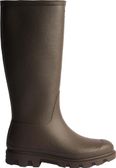
Wet grass
A taller cuff helps in high wet grass if it does not constrict the calf while walking.
- Tall shaft
- Water and movement
- Match tread to ground
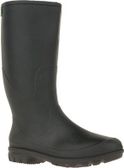
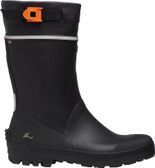
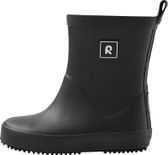
Children
Children’s boots should hold securely at the heel despite being pulled on without laces.
- Suitable children’s last
- Water and movement
- Match tread to ground
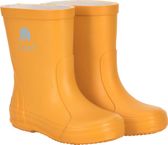
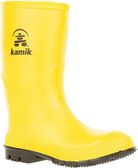
No products match these filters.

Brands we carry







Show all brands
- Celavi
- CMP
- Color Kids
- Didriksons
- Helly Hansen
- Hunter
- Kamik
- Liewood
- Reima
- Trespass
- Viking
- Wheat
- Whistler
No brand found
