
Sale: from 50 % off
Where will you wear the boots?
Short rainy trips
A low shaft is handy around the doorstep or in town. Position the trouser leg so rain cannot run into the opening.
- Low entry
- Arrange trouser hems
- Watch puddle depth
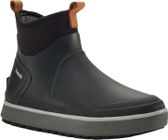
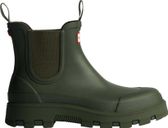
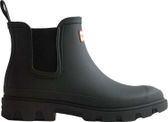
Wet grass
A high boot covers wet grass better. Measure calf room over trousers and check heel control when walking on soft ground.
- High shaft
- Measure over trousers
- Tread for soil
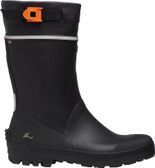
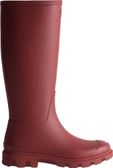
Cold days
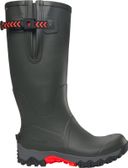
Match lining and socks to the duration. Toes still need movement; cramped insulation is a poor answer to cold feet.
- Lining for time outside
- Allow for socks
- Keep toes free to move
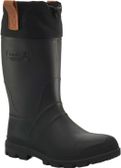
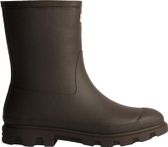
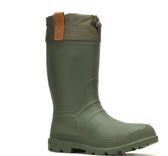
Calf comfort
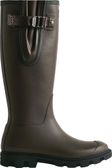
Compare adjustable openings and flexible materials with your calf shape. Crouching should neither pinch the leg nor leave an excessively loose opening.
- Compare shaft widths
- Flexible materials
- Crouch with trousers on
No products match these filters.


Brands we carry
Guide
Men's rubber boots
Short rainy walks and wet grass call for different shaft heights. Match tread and lining to the ground and to how long you will be standing outdoors.
Key points
- A low shaft is easier to step into; a high shaft covers more of the leg.
- Leave space for trousers without pressure around the calf.
- Cold ground calls for suitable lining and sole insulation together.
- Widely spaced tread suits soil better than a shallow urban pattern.
How wet and cold is the route?
| Use | Choose | Bear in mind |
|---|---|---|
| Short rainy errands | ChooseLow rubber boot | Bear in mindA low opening helps with frequent changes, but deep puddles reach the top sooner. |
| Wet grass and mud | ChooseHigh shaft with tread | Bear in mindCheck calf room with your usual trousers and make sure the heel stays controlled. |
| Standing in the cold | ChooseInsulated version | Bear in mindAllow room for suitable socks without letting the foot slide inside the boot. |
| Gardening and bending | ChooseFlexible shaft | Bear in mindA short or yielding opening interferes less behind the knee but covers less of the leg. |
Low shaft or warm lining?
Low rain boot (Easy to slip on)
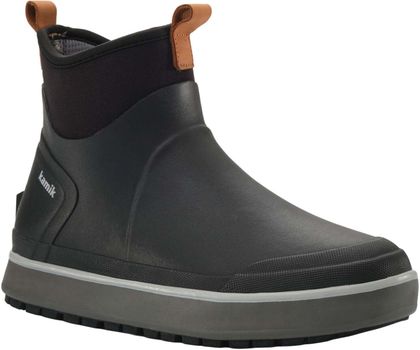
A short rubber shaft suits frequent changes on everyday rainy routes.
- Advantage: Simple entry
- Drawback: Less height against water entry
High winter boot (For cold and wet)
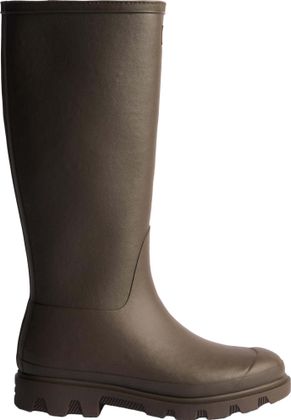
A taller shaft and insulating lining provide more leg coverage and warmth.
- Advantage: Extra coverage and insulation
- Drawback: Quickly too warm in mild weather
What to look for
| Question | In brief | Why |
|---|---|---|
| Which shaft height? | In briefConsider water and movement | WhyHeight helps in wet grass. A tall shaft may press behind the knee when kneeling, so try it with the trousers you will wear. |
| How much lining? | In briefConsider time and activity | WhyWalking creates more warmth than waiting. Thick lining also takes up space, so account for your socks when choosing the size. |
| What makes a good fit? | In briefCheck heel and calf | WhyThe foot should stay controlled as you walk. A suitable shoe size will not compensate for a shaft that pinches or swings around the leg. |
Common questions
Should I buy a size larger?
Start with the model's size guide. Some room for your intended socks helps, but an oversized boot lets the heel slide and may cause rubbing.
Are lined rubber boots suitable for frost?
That depends on construction, lining and use. Check specific temperature guidance from the maker and allow more insulation for standing than for a brisk walk.
How do I care for rubber and neoprene?
Remove soil with water and a soft brush. Dry the boots away from radiators and use only approved care products. Rubber and neoprene may need different treatment.
Does deep tread work on ice too?
Smooth ice calls for suitable additional traction or a different route. A deep mud tread alone will not give dependable grip there.
Last updated: November 2026