
Sale: from 50 % off
What does your working day need?
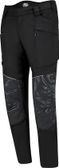
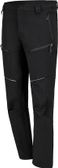
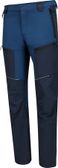
Trousers for movement
Check trousers in your usual working positions. Reinforcement and pockets should suit the wear and tools involved.
- Try crouching
- Check pocket positions
- Assess knee space
An insulating layer
Compare warmth and room beneath the weather layer. Less insulation is often more comfortable during strenuous work.
- Assess warmth needs
- Try layers together
- Move the sleeves freely
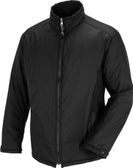
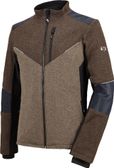
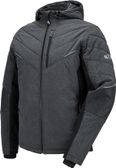
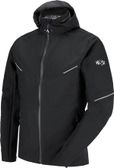
Rain protection
Choose clothing with the stated protection needed for wet work. Check that pockets and fastenings remain accessible with your equipment.
- Read water protection
- Compare hem length
- Allow for equipment
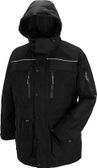
Women's fit
Compare jackets and trousers by actual measurements. Shoulder, hip and knee movement matters more than a familiar clothing size.
- Use the size chart
- Check movement
- Allow for inner layers
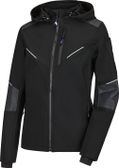
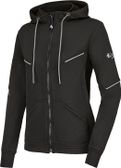
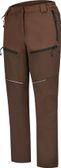
No products match these filters.
Brands we carry
Guide
Workwear
Work clothing needs to move with you and suit the weather. Compare trousers, insulation and outer layers for your tasks and workplace requirements.
Key points
- Check trousers while crouching and kneeling with the pockets filled.
- Reinforcement helps where the fabric regularly rubs against the ground.
- Wet working days need explicitly described rain protection.
- Match required protective features to the garment's marking.
What does the job involve?
| Use | Choose | Bear in mind |
|---|---|---|
| Frequent crouching and kneeling | ChooseFlexible trousers with suitable reinforcement | Bear in mindAdd compatible knee pads if required. |
| Cool surroundings | ChooseInsulating middle layer | Bear in mindCheck room beneath the outer jacket and freedom to move. |
| Rain and wind | ChooseWeatherproof outer layer | Bear in mindCompare seams, closures and hem length. |
Trousers or a weather layer?
Work trousers (Freedom to move)
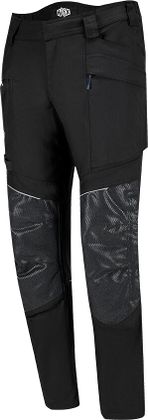
Compare movement, reinforcement and pocket position. Knee-pad pockets need compatible inserts.
- Advantage: Features close to the task
- Drawback: Extra pockets may obstruct kneeling
Weather jacket (Outer layer)
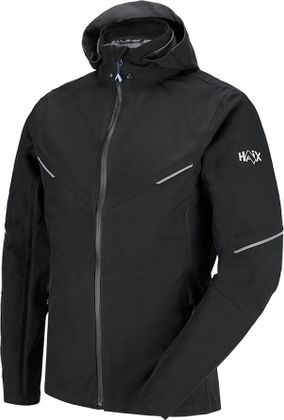
A suitable jacket keeps wind and rain out. Depending on temperature, add insulation underneath.
- Advantage: Adjust weather protection separately
- Drawback: Needs a separate warm layer
What to look for
| Question | In brief | Why |
|---|---|---|
| Can the trousers move? | In briefTry crouching and a high step | WhyThe waist and knees need room in working positions. Filled pockets should not press uncomfortably. |
| Where are the pockets? | In briefMatch the tools you carry | WhyCompare pocket positions with your movements and any harness you wear. |
| Which layer provides warmth? | In briefConsider activity and surroundings | WhyActive work often needs less insulation than standing still in a cool environment. |
| What is required? | In briefCheck workplace specifications | WhyTasks with particular hazards need protective clothing explicitly designed for those requirements. |
Common questions
Can I wear any outdoor trousers at work?
Compare the demands of the job and workplace. Where hazards or required protective features apply, select appropriately marked clothing.
Do I need knee pads?
If you frequently work kneeling, consider purpose-made pads and compatible trousers. The inserts need to sit correctly in their pockets and suit the task.
How do I compare weather protection?
Read the details for outer fabric, seams and fastenings. Check back length, sleeves and hood against your working movements and equipment.
How much space do I need under a jacket?
Try it with the layers you intend to wear. Shoulders and sleeves should move freely when reaching, while the hem still covers your back in working positions.
Last updated: November 2026