
Sale: from 50 % off
What must your clothing cope with?
Bending and kneeling
Squat and take a long step. The waist should avoid digging in and the seat should keep you covered through the movement.
- Check the waist in a squat
- Allow for pocket contents
- Position the knee area correctly
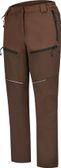
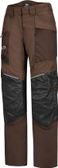
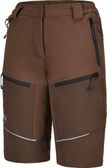
Wind and weather outside
Softshell can be comfortable while moving in the wind. For longer spells of rain, you need an explicitly waterproof outer layer.
- Consider time spent in rain
- Inspect hood and seams
- Check sleeves while reaching
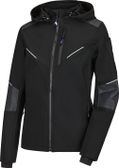
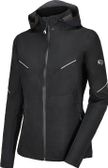
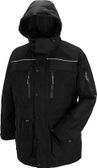
Warmth for cooler hours
Match your warm layer to the pace of work. Long periods of standing still usually call for more warmth than carrying and walking continuously.
- Consider activity and breaks
- Leave room under the jacket
- Layer sleeves without bunching
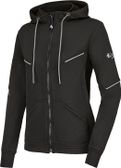
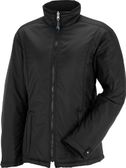
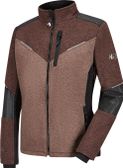
Comfort through the working day
For an everyday top, consider fabric feel and the movements your job involves. Reach up to see whether the hem stays settled.
- Reach both shoulders forwards
- Check body length
- Consider washing frequency
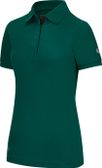
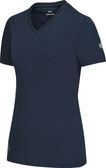
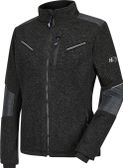
No products match these filters.
Brands we carry
Guide
Women's workwear
Work involves bending, kneeling and reaching. Try trousers and jackets through these movements; longer spells outdoors also call for weather protection and an appropriate warm layer.
Key points
- Squat in trousers to check the waist, seat and knees for pulling.
- Jackets need to keep you covered as you reach overhead.
- For rain, choose an explicitly waterproof construction.
- For specific protective tasks, match the required protective function carefully.
What work will you be doing?
| Use | Choose | Bear in mind |
|---|---|---|
| Frequent bending and kneeling | ChooseFlexible trousers | Bear in mindCheck the waist and knee area in working positions. |
| Outside in the wind | ChooseA mobile softshell | Bear in mindPlan a waterproof jacket for persistent rain. |
| Long periods of rain | ChooseWeatherproof jacket with hood | Bear in mindCompare seams, closure and length. |
| Cold breaks | ChooseAn extra warm layer | Bear in mindLeave room for the outer jacket to fit over it. |
Match trousers and outer layers
Flexible work trousers (Bend and kneel)
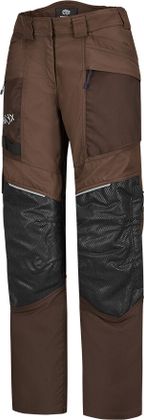
Well-fitting trousers give your hips and knees room to work. Check the knee position in a squat and whether filled pockets get in the way when sitting.
- Advantage: Room for changing working positions
- Drawback: Knee pads and accessories need a separate fit check
Waterproof jacket (Working in rain)
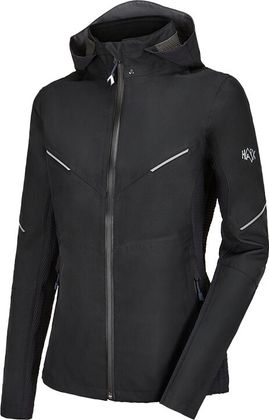
A rain shell goes over suitable clothing underneath. Sleeves and hem should keep you covered as you reach, while the hood allows you to look sideways.
- Advantage: Weather protection over inner layers
- Drawback: Warmth needs must be met separately
What to look for
| Question | In brief | Why |
|---|---|---|
| Does the waist fit? | In briefSquat and stand up again | WhyThe trousers should keep your lower back covered. Strong pulling across the hips or seat suggests trying another cut. |
| Where are the pockets? | In briefTry your usual contents | WhyTools and a phone change the fit. Pockets should remain accessible without pressing into you while sitting or kneeling. |
| How does the jacket fit? | In briefRecreate overhead work | WhyYour back should remain covered. Try the sleeves with the gloves and inner layers you use for the job. |
| What protective function? | In briefMatch the task to the model | WhyFor specific working conditions, seek clothing explicitly designed for that purpose. Follow its use and care instructions. |
Common questions
Can I wear softshell in persistent rain?
For long periods of rain, choose an explicitly waterproof jacket. A flexible softshell is better suited to windy, changeable days; match the outer layer to the expected weather.
How do I assess trouser length?
Wear your work shoes and squat down. The hem should give enough coverage without falling beneath the sole when you stand; also check the position of the knee area.
Is the built-in padding enough for kneeling?
Find out which knee protection your work requires. Where extra pads are intended, they need to fit the particular trousers and stay in the right place when you kneel.
How do I dress for cold working days?
Use an inner layer matched to your activity and add warmth where needed. Bring all intended layers when fitting the outer jacket so your shoulders and sleeves remain free to move.
Last updated: November 2026