
Sale: from 50 % off
By use
What for?
Active sport
During sport, the frame should stay in place even during a quick glance over your shoulder.
- Secure fit and coverage
- Read the transmission range
- Nose, temples and helmet
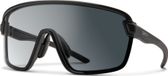
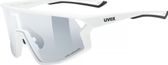
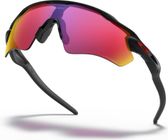
Everyday wear and leisure
For everyday wear, the chosen lens tint should suit the light around you, not merely the frame.
- Suitable shape and lenses
- Read the transmission range
- Nose, temples and helmet
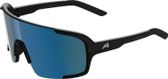
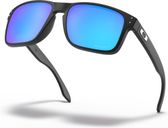
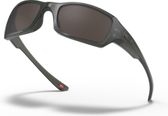
Changing light
In changing light, compare the lightest and darkest states offered by the lens.
- Photochromic design
- Read the transmission range
- Nose, temples and helmet
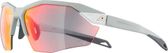
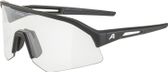
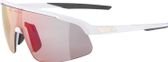
Tours and extended wear
On long outings, neither helmet straps nor hat edges should press against the temples.
- Try with your equipment
- Read the transmission range
- Nose, temples and helmet
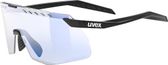
No products match these filters.


Top brands in Sunglasses


Guide
Outdoor Eyewear & Sunglasses
For sports eyewear and sunglasses, UV protection, tint and fit are separate criteria. Match lens and frame to the light, helmet and headwear.
Key points
- UV protection and tint are different specifications.
- In changing light, check the full tint range.
- Try together with your helmet or headwear.
- Julbo states that category 4 lenses are unsuitable for driving.
Which option suits your use?
| Use | Choose | Why |
|---|---|---|
| Active sport | ChooseSecure fit and coverage | WhyGlasses should stay secure during head movement without uncomfortable nose or temple pressure. |
| Everyday wear and leisure | ChooseSuitable shape and lenses | WhyChoose tint and coverage for actual use. A fashion frame does not establish a protection category. |
| Changing light | ChoosePhotochromic design | WhyCompare the stated light-to-dark range. Tint adjustment is neither unlimited nor instantaneous. |
| Tours and extended wear | ChooseTry with your equipment | WhyCheck temples beneath the helmet and downward vision. Avoid distracting contact with eyelashes or cheeks. |
Types compared
Sports coverage
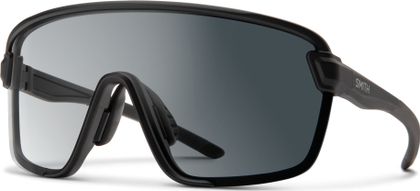
A large, curved lens wraps around the field of view. It suits athletes wanting more coverage in the wind.
- Advantage: Fewer open gaps at the sides of the face
- Drawback: A large lens needs clearance from cheeks and helmet
Leisure frame
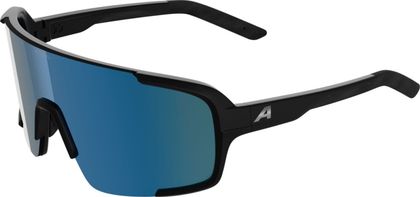
An open nylon frame holds the lens in an everyday shape. It suits city journeys and relaxed outdoor activity.
- Advantage: Rubberised contact areas help reduce slipping
- Drawback: More side space remains than with a close wrap
Photochromic sports glasses
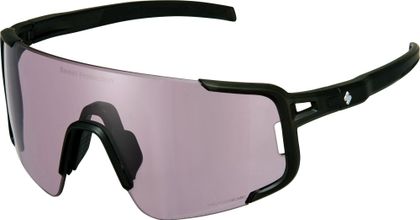
Light-reactive lenses change tint with conditions. They suit trips involving variable cloud and changing light.
- Advantage: Fewer lens changes as cloud cover varies
- Drawback: Tint cannot be switched instantly by hand
What to look for when buying
| Question | In brief | Why |
|---|---|---|
| Which light level? | In briefRead the transmission range | WhyLower transmission means a darker lens. Check the selected lens version’s range, not just the frame name. |
| Which UV protection? | In briefCheck the explicit claim | WhyTint affects visible light. Julbo explains that UV protection cannot be inferred from darkness alone. |
| Which fit? | In briefNose, temples and helmet | WhyAdjustable nose pads and temples can help. The deciding factor is pressure-free fit with your other equipment. |
| Which version? | In briefComplete glasses or spare lens | WhyA spare lens fits only approved frames. Check what is included to avoid ordering a lens instead of complete glasses. |
Frequently asked questions
How do I check the fit?
Try with your helmet or hat and move your head. The glasses should stay secure without pressure at temples or nose. Check vision, eyelash clearance and room for temples alongside helmet adjustment.
Which maker specification helps when comparing?
Uvex lists light transmission from 74 to 9% for the Aerios. This range describes the tint of the specific version.
How do I compare different designs?
Compare versions intended for the same use. Dimensions, capacity, weight and weather protection describe different properties. Check interfaces and the complete setup with your existing equipment.
How do I care for it?
Follow care guidance for lenses and coatings. Do not rub dry dust across them; use suitable cleaning and the supplied cloth. Change lenses as directed and store without pressure.

Last updated: October 2026