Super deals: At least 50% off
Guide
Mountaineering Boots
Mountain footwear ranges from flexible walking designs to stiff alpine boots. Match sole construction, insulation and any crampon approval to your specific objective.
Key points
- Mountain walking and technical alpine routes need different boots.
- A stiff sole alone does not establish crampon compatibility.
- Boot and crampon must be compatible as a combination.
- Check heel hold and toe room with your mountain socks.
Which option suits your use?
| Use | Choose | Why |
|---|---|---|
| Mountain walking | ChooseWalking comfort and tread | WhyOn long paths without ice, rolling comfort and fit matter alongside sole support. |
| Technical terrain | ChooseSupportive mountain boot | WhyUse crampons only where the specific boot and binding system are approved as compatible. |
| Cold alpine objectives | ChooseSuitable insulation | WhyCheck insulation, shaft and the maker’s intended use separately. The objective determines the requirement. |
| Rock and approaches | ChooseSuitable balance | WhyExtra stiffness can hinder rolling on level paths. It is not always an advantage. |
Types compared
Mountain walking boot
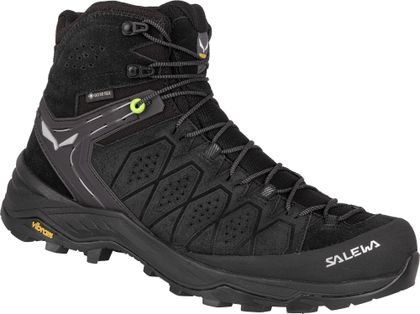
A treaded sole with a more flexible rolling area defines a mountain walking boot. It suits long routes with varied walking sections.
- Advantage: A smoother transition from landing to rolling forwards
- Drawback: Technical bindings require specific model approval
Technical mountain boot
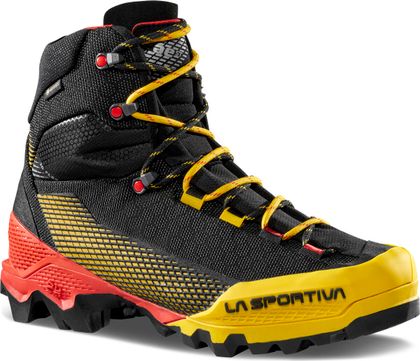
A stiffer foundation guides the foot on narrow support points. It suits more technical trips within the maker’s stated use.
- Advantage: More support when standing on small edges
- Drawback: A stiff base rolls less softly on easy paths
Insulated alpine boot
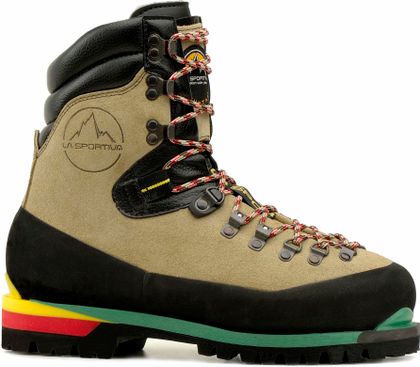
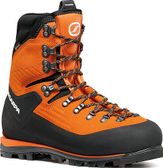
A tall leather boot with insulation covers the foot above the ankle. It suits cold alpine objectives with suitable equipment.
- Advantage: Additional warmth around the foot
- Drawback: Often heavy and less airy on mild approaches
What to look for when buying
| Question | In brief | Why |
|---|---|---|
| Which use? | In briefRead the intended use | WhyNot every high walking boot is intended for alpine routes. Choose for the specific objective. |
| Which crampons? | In briefMatch binding and boot | WhyBaskets, heel levers and front bails have different requirements. Model-specific approval matters. |
| How stiff? | In briefWalking and edging | WhyExtra sole support can help on edges but reduces natural flex on easy paths. |
| Which fit? | In briefInclude a descent check | WhyToes must not hit the front on descents. Tight lacing cannot solve substantial heel slip. |
Frequently asked questions
How do I check the fit?
Try with your mountain socks on an incline. Check toe room, heel hold and cuff pressure. A stiff mountain boot should hold the foot closely without persistent pressure points.
How much does a single mountain boot weigh?
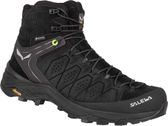
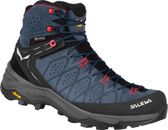
Salewa lists a single-boot weight of 552 g for the men’s Alp Trainer 2 Mid GTX. This does not establish crampon compatibility.
Can I rely on my usual size?
Use the chart for the exact model. Size labels can differ between brands and lasts. Compare both feet and check the product’s width and fit notes before ordering.
How do I care for it?
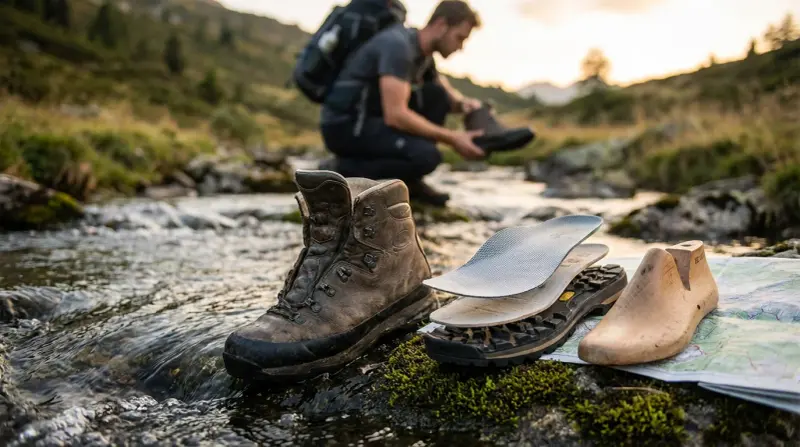
Clean sole and upper, dry as directed and inspect sole edges and seams. On crampon-compatible models, have damaged binding contact points assessed by a specialist.
Last updated: October 2026
What for?
Mountain walking
On a long mountain walk, your foot should still roll comfortably after many steps.
- Walking comfort and tread
- Read the intended use
- Walking and edging
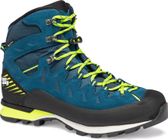
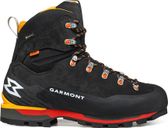
Technical terrain
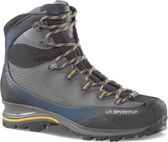
For technical sections, the explicitly approved footwear-and-equipment combination is decisive.
- Supportive mountain boot
- Read the intended use
- Walking and edging
Cold alpine objectives
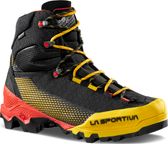
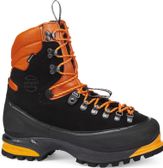
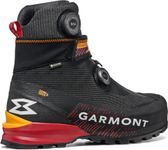
For cold objectives, insulation should not use up the space needed for your mountain socks.
- Suitable insulation
- Read the intended use
- Walking and edging
Rock and approaches
A rocky approach places different demands from a continuation that is steep or icy throughout.
- Suitable balance
- Read the intended use
- Walking and edging
No products match these filters.


