%Super deals: At least 50% off
Men's running vests
Buying guide ↓Guide
Men's running vests
First decide whether you need a clothing layer or storage against your body. For wind and insulated vests, consider heat release; for a hydration vest, look for a steady fit with the pockets filled.
Key points
- Wind vests provide a light extra layer over your running top.
- Insulated vests add warmth but can feel too hot at a fast pace.
- Fit hydration vests with the amount of water you plan to carry.
- Armholes should not rub through your normal arm swing.
What should the vest do?
| Use | Choose | Bear in mind |
|---|---|---|
| Windy runs | ChooseThin wind vest | Bear in mindCombine protection at the front with airy panels. It should pack away easily when no longer needed. |
| Easy cold-weather run | ChooseLightly insulated vest | Bear in mindMatch warmth to pace and personal needs, with a back that lets moisture escape. |
| Water and food storage | ChooseHydration vest | Bear in mindAdjust straps with filled bottles or a reservoir and check for bouncing and pressure. |
What to look for
| Question | In brief | Why |
|---|---|---|
| Which fit? | In briefTry over your running top | WhyLoose fabric can flap and tight armholes can rub. Move your arms as you would when running and watch the hem. |
| How warm? | In briefConsider your effort level | WhyFast running produces more body heat than walking. Heavy filling is harder to adjust on the move than a thin wind layer. |
| Which storage? | In briefCompare the loaded fit | WhyWater needs purpose-made pockets. Keys and phones should remain accessible without knocking against your body while you run. |
Common questions
Is a hydration vest also a warm layer?
Its main job is carrying equipment close to your body. Plan warmth through the clothing underneath. If you need a wind-blocking or insulating layer, compare garments designed specifically for that purpose instead of relying on storage fabric.
How close should a hydration vest fit?
It should stay steady when loaded without restricting breathing. Adjust the straps gradually and move around in it. The fit can change as you drink the water or if you put a thicker clothing layer underneath during a colder outing.
Do winter runs need insulation?
That depends on pace, wind and your own warmth needs. A thin wind vest may be enough for fast running; light insulation can help at an easier pace or after the run. Choose a layer you can adjust as conditions change.
What helps prevent rubbing?
Choose suitable armholes and smooth contact areas over your running top. Hydration straps and loaded pockets should not move around. Before a long outing, check the fit with exactly the kit you intend to carry on the run.
Last updated: November 2026
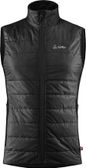
Wind protection
A thin, well-ventilated vest is often enough to protect your core from wind.
- Check armholes
- Choose an airy back
- Check packed size
Warmth
Light filling helps in cold conditions at a gentler pace.
- Consider your pace
- Keep movement free
- Avoid starting too warm
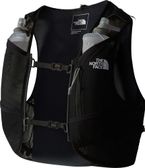
Carry water
Adjust with filled pockets and keep breathing unrestricted.
- Fit when loaded
- Adjust straps gradually
- Avoid bouncing
Light in your pack
A light vest supplements your shirt when conditions change.
- Compare packed bulk
- Adjust the hem
- Operate the zip easily