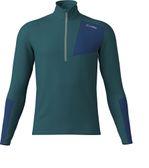
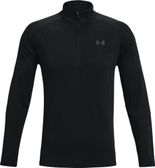
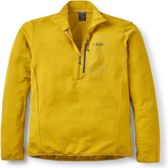
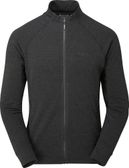
Super deals: At least 50% off

Men's Running Midlayers

Buying guide ↓

Guide

Men's Running Midlayers

Running needs less spare warmth than waiting after training; choose the middle layer for your pace and try it beneath your outer jacket before deciding.

Key points

  • For hard running choose a thin layer that is easy to vent.
  • A neck zip lets you release heat on the move.
  • Avoid bulky folds beneath a running vest and jacket.

Which layer for your run?

UseChooseBear in mind
Hard trainingChooseThin technical topBear in mindAllow a full arm swing without pulling the hem; an open neck should not rub uncomfortably.
Gentle running in cool weatherChooseLight fleece or wool blendBear in mindChoose thickness so you do not overheat once you have warmed up on the route.
Breaks and the journey homeChooseWarmer dry layerBear in mindThicker fleece is more useful after training; change the damp shirt underneath first.

What to look for

QuestionIn briefWhy
How close?In briefTry inner and outer layersWhyLeave room for a shirt while avoiding large folds beneath the running jacket.
Which collar?In briefTry open and closedWhyA soft finish and covered zip protect the neck from rubbing while you move.
Which pockets?In briefCheck with your running vestWhyPocket zips under chest or hip straps can press; their arrangement needs to work with your other equipment.

Common questions

How much warmth do I need when running?

Wind, pace and your own comfort all matter. Begin with modest extra insulation and assess whether to vent or remove a layer once warmed up. Pack more warmth for a planned stop than you need during the active running section of the outing.

What is the difference between midlayer and fleece?

Midlayer describes the position between shirt and jacket. Fleece is one fabric that can perform that role. A thin technical top or wool blend is another option; choose according to warmth and moisture at the pace you intend to run.

Is thicker fleece always better in freezing weather?

Hard running can make it too warm even in the cold. Consider wind protection together with fabric thickness instead of simply selecting a heavy layer. Frequent stops and slow walking call for more spare insulation than sustained high effort.

How do I keep it comfortable with a running vest?

Wear all layers with the loaded vest. Straps should not push pocket zips into your skin, and the hem should remain stable. Swing your arms fully several times and turn your upper body to identify pulling or pressure points before the run.

Last updated: November 2026

No products match these filters.
2 3 4 5
In the Club: collect FitPoints, unlock codes
To the Club