
Sale: from 50 % off
Where do you need it?
Active climbing
Light active insulation is more suitable for hard effort; check the fabric across the back.
- Allow ventilation
- Check back panel
- Avoid overheating
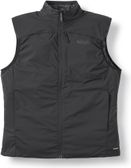
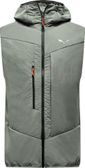
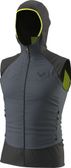
Cool movement
For changing pace it should sit close without pressing beneath the rucksack.
- Hem under belt
- Comfortable collar
- Free arms
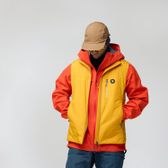
Breaks
A more insulated gilet warms the core; cold arms require an additional jacket.
- Check filling
- Carry a spare jacket
- Keep dry
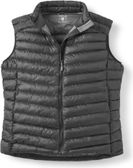
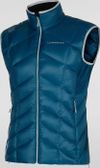
Under a shell
Try base layer, gilet and shell together so neck and shoulders remain free.
- Uncompressed filling
- Clear pocket access
- Check the zip
No products match these filters.


Brands we carry
Guide
Men's Touring Gilets
A gilet leaves your arms free while retaining warmth around your core; match filling, back fabric and collar to touring so heat can escape beneath your rucksack.
Key points
- For hard climbs choose modest, well-ventilated insulation.
- The hem should sit beneath the hip belt without bunching.
- Carry an additional warm layer for windy breaks.
Which gilet for each stage?
| Use | Choose | Bear in mind |
|---|---|---|
| Active ascent | ChooseLight, breathable insulation | Bear in mindBreathable back panels help beneath a rucksack; ventilate before you become very sweaty. |
| Cool descent | ChooseWind protection and suitable filling | Bear in mindTry with your outer jacket so shoulders and neck remain comfortable and unrestricted. |
| Longer stop | ChooseMore warmth in reserve | Bear in mindA gilet leaves your arms exposed; plan an additional jacket for cold breaks. |
Which design suits you?
Breathable hybrid
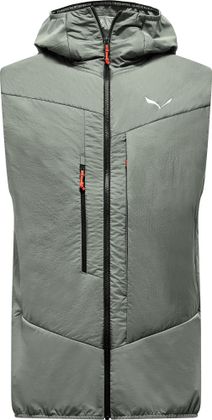
Different fabric panels balance warmth and airflow during movement.
- Advantage: Useful for changing effort
- Drawback: Less spare warmth when stationary
Down filling
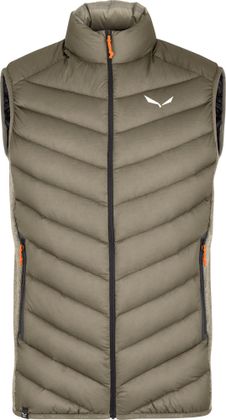
Additional insulation for dry cold and quieter periods.
- Advantage: Compressible warmth in reserve
- Drawback: Moisture and drying need care
What to look for
| Question | In brief | Why |
|---|---|---|
| Which fit? | In briefTry your touring layers | WhyIt should sit close to your body without compressing the filling or pulling across the front zip. |
| Which back panel? | In briefConsider rucksack contact | WhyA heavily insulated back can become hot under a pack; look closely at the back fabric construction. |
| Which pockets? | In briefCheck hip belt position | WhyFilled pockets or hard zips beneath a hip belt can press uncomfortably and become difficult to access. |
Common questions
Can I keep it on during the ascent?
If you remain comfortable without overheating and moisture can escape. At a high pace a thinner layer is often enough. Open the zip early or remove the gilet before it becomes soaked with sweat beneath the rucksack.
Down or synthetic filling for touring?
Down can provide compressible warmth in dry conditions. Synthetic insulation is often practical with regular sweating and dampness. Compare the quantity of filling and fabric construction too rather than making the decision solely by the insulation material.
Does it replace a warm jacket at the summit?
It may be enough for a short mild break. In cold or windy weather the arms remain exposed, so carry an appropriate additional layer. Decide according to weather, planned stops and possible delays rather than how warm you feel during the climb.
How should it fit under a shell?
Try the gilet with your other layers and move your arms. Fabric should not crowd your neck, and pockets or zips should not press beneath the hip belt. The outer jacket needs to leave enough room for the insulation to remain uncompressed.
Last updated: November 2026