Stories
Nemo Disco 15 and Nemo Forte: Two sleeping bags, two uses
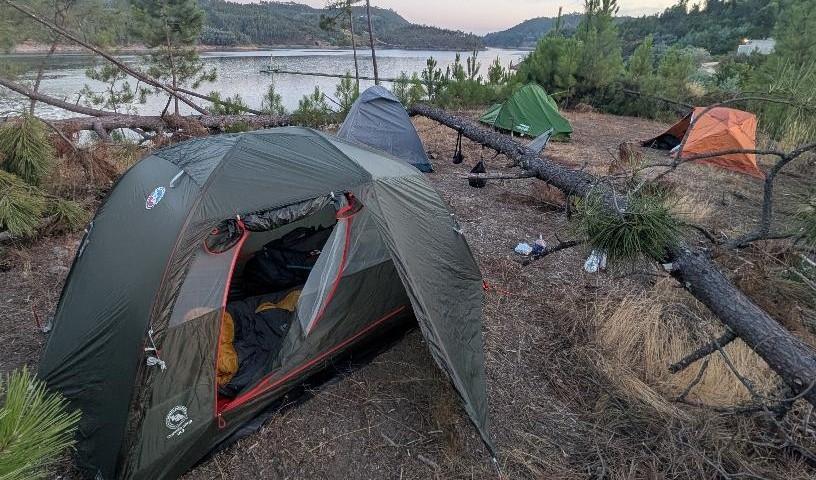
One month, two sleeping bags, four community members. Christoph and Dirk took the Nemo Disco 15 out on the trail, while Silas and Marius slept in the Nemo Forte.
You can try on a sleeping bag for ten minutes in a shop. Whether it actually works only shows up at night, outside, when temperatures drop or wind sweeps across the tent floor. So we put the spec sheets aside and sent four community members out with two Nemo bags for a full month.
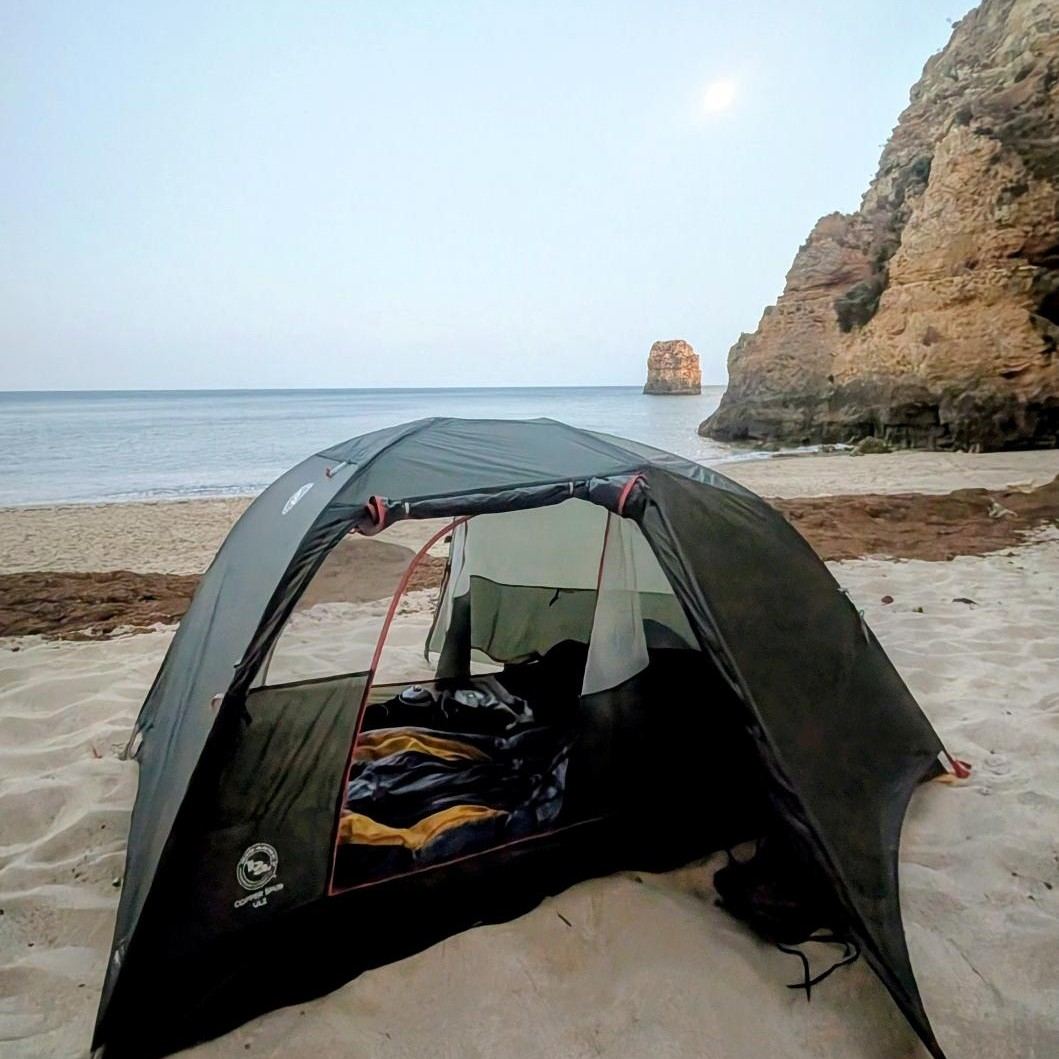
Christoph and Dirk both used the Nemo Disco 15 (Men's, Regular) independently and in very different settings. Christoph spent six nights wild camping in Portugal along the coast, by a reservoir and once straight on the beach without a tent, at 15 to 20 °C and in gusty wind at times. Dirk had cooler nights on two trips through the Spessart and the Southern Black Forest at 7 to 12 °C. He received the bag from SportFits with a clear brief: give an honest report.
Silas and Marius both used the Nemo Forte in the Long version. Silas carried it almost every day on a bike tour through Germany, the Netherlands and Norway. Nights ranged from mild to 8 °C at the foot of a glacier, including one wet night in an open shelter where wind-driven rain soaked the bag. Marius spent midsummer nights on an Alpine pasture and inside a mountain tunnel shelter in the Alps, at steady 10 to 20 °C.


First impressions and sleeping comfort
Straight out of the stuff sack, the Disco feels well made. It just needs a few minutes for the down to regain full loft. That is normal for a down sleeping bag, though worth factoring in when pitching camp late. Seams and fill distribution are clean, and Christoph found zero cold spots. One small quirk: against sweaty skin after a long hike, the lining feels slightly clammy at first, though never uncomfortable. Dirk echoed that build impression. Fabrics, stitching and zips all felt solid, and the main zip never snagged once across his entire month, a hassle he knows well from other bags. He also liked the water-repellent footbox, especially inside single-wall tents where condensation often goes unnoticed until morning.
In terms of comfort, the Disco delivered exactly what both hoped for. At 183 cm, right on the border to the Long version, Christoph stayed with Regular and was glad he did. He shifts constantly between his back, side and stomach, and the Spoon shape follows along without twisting around him or feeling tight. The footbox leaves enough space for natural foot positions. Dirk sleeps mainly on his stomach or side and likes tucking a pillow inside the bag. For him, that is where the Disco shines. At over 80 kg with a broader build, he still had room at the shoulders, elbows, hips and knees. The wider Spoon cut does not just help restless sleepers; it also suits broader frames.
Warmth, ventilation and handling
At 15 to 20 °C, Christoph did not push the Disco anywhere near its cold-weather ceiling. Still, wind quickly proved more decisive than air temperature alone. On an exposed cliff where his old sleeping bag had left him chilly even at 10 to 15 °C, he stayed warm in the Disco without effort. Dirk camped in moderate 7 to 12 °C nights as well, so he did not hit the limit either. Given the generous fill of roughly 630 grams of down, he considers the ISO ratings (around -3 °C comfort and -9 °C limit) plausible. Because the cut leaves extra room, you can even layer a down jacket inside if temperatures plunge, something tight mummy bags rarely allow. For Dirk, that makes the Disco an option for winter trips too.
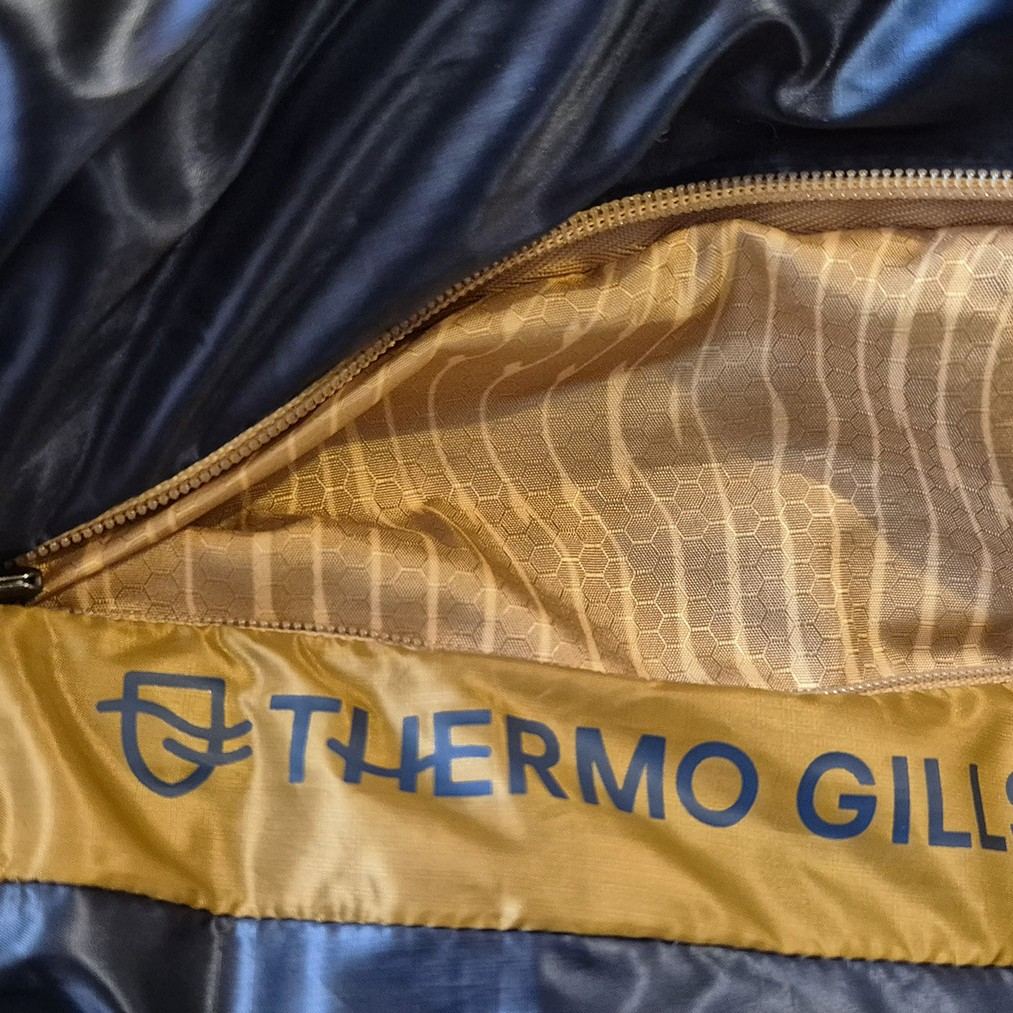
For Christoph, the main zip stood out: smooth, snag-free and easy to work one-handed in the dark. Dirk had the exact same experience. On the Thermo Gills, though, their views split. Christoph used the chest vents deliberately to fine-tune temperature. The zips pull a bit stiffly, yet work well before going to sleep. Dirk saw limited real-world benefit: when he gets too warm, he would rather crack the main zip than fiddle with two smaller inner and outer vent zips that need closing again towards morning. He praised the integrated pillow pocket in the hood instead, which kept his makeshift pillow of clothes and a mesh sack firmly in place instead of sliding away overnight.
Pack size, weight and best use
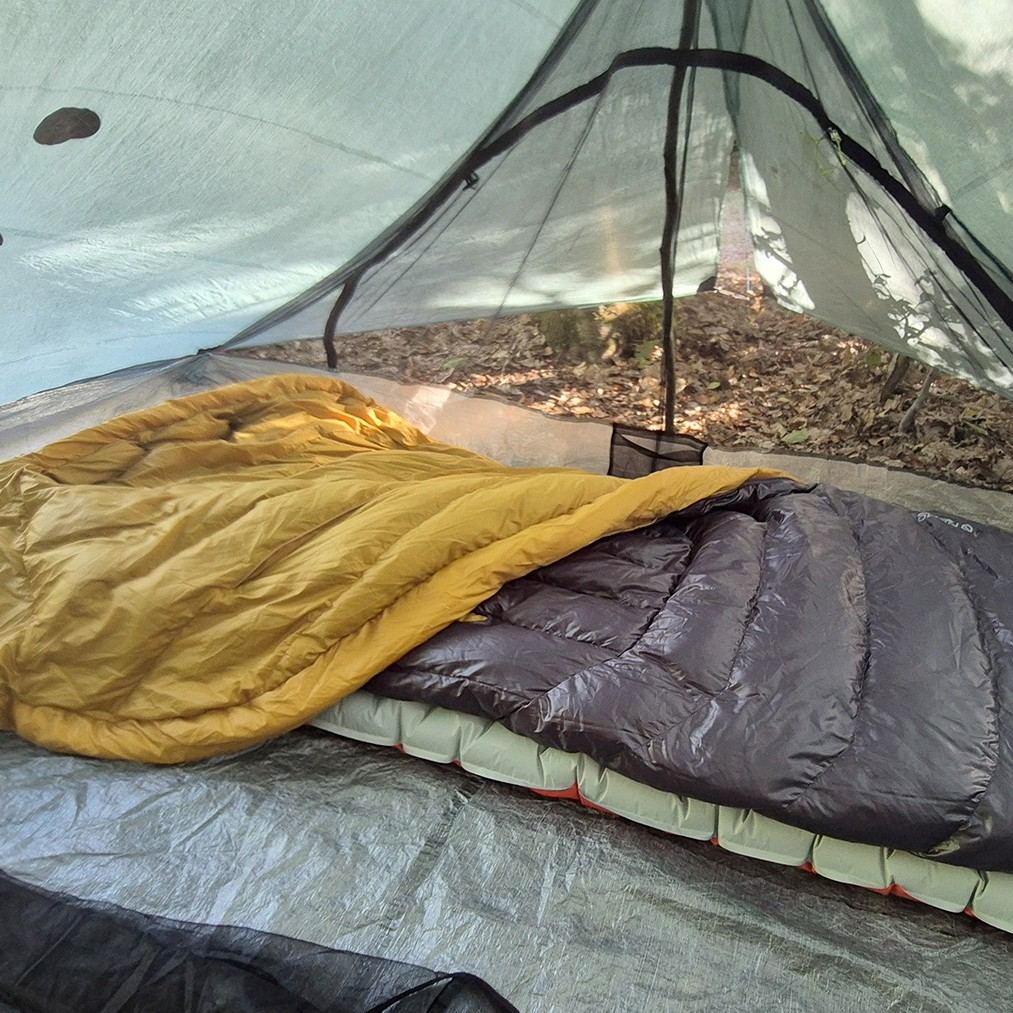
With the included compression sack, the Disco packs smaller than Christoph chose to stuff it, as he prefers a wider, stabler base at the bottom of his pack. Compared to his previous three-season bag, it added around 400 grams, yet still paid off: he left behind the extra sleep layers he used to carry. Dirk saw it the same way. At a weighed 1.32 kg, the Disco is not an ultralight bag for its ISO rating, and that is a deliberate trade-off for sleep comfort. He never compresses his down bags all the way anyway, since heavy compression reduces loft when down is slightly damp, preferring a slightly larger pack instead.
For trekking and camping in the cooler half of the year, both recommend the Disco 15 without hesitation, whether you move around at night, have broader shoulders or like sleeping with a pillow. In midsummer heat like Christoph's coastal trip, it is overkill and lighter bags make more sense. Both would tweak two small details: Christoph wanted a larger pillow pocket for a full-size inflatable pillow and smoother Thermo Gills zips, while Dirk questioned whether the gills add enough value overall.
What won me over was the sleeping comfort, to a degree I did not expect. On long hikes, that is not a luxury detail; it is the difference between waking up rested and dragging yourself through the next day.
The main zip never caught once, which is a relief compared to other sleeping bags I have used. Only the Thermo Gills did not quite convince me: if I get warm, I prefer simply opening the main zip.
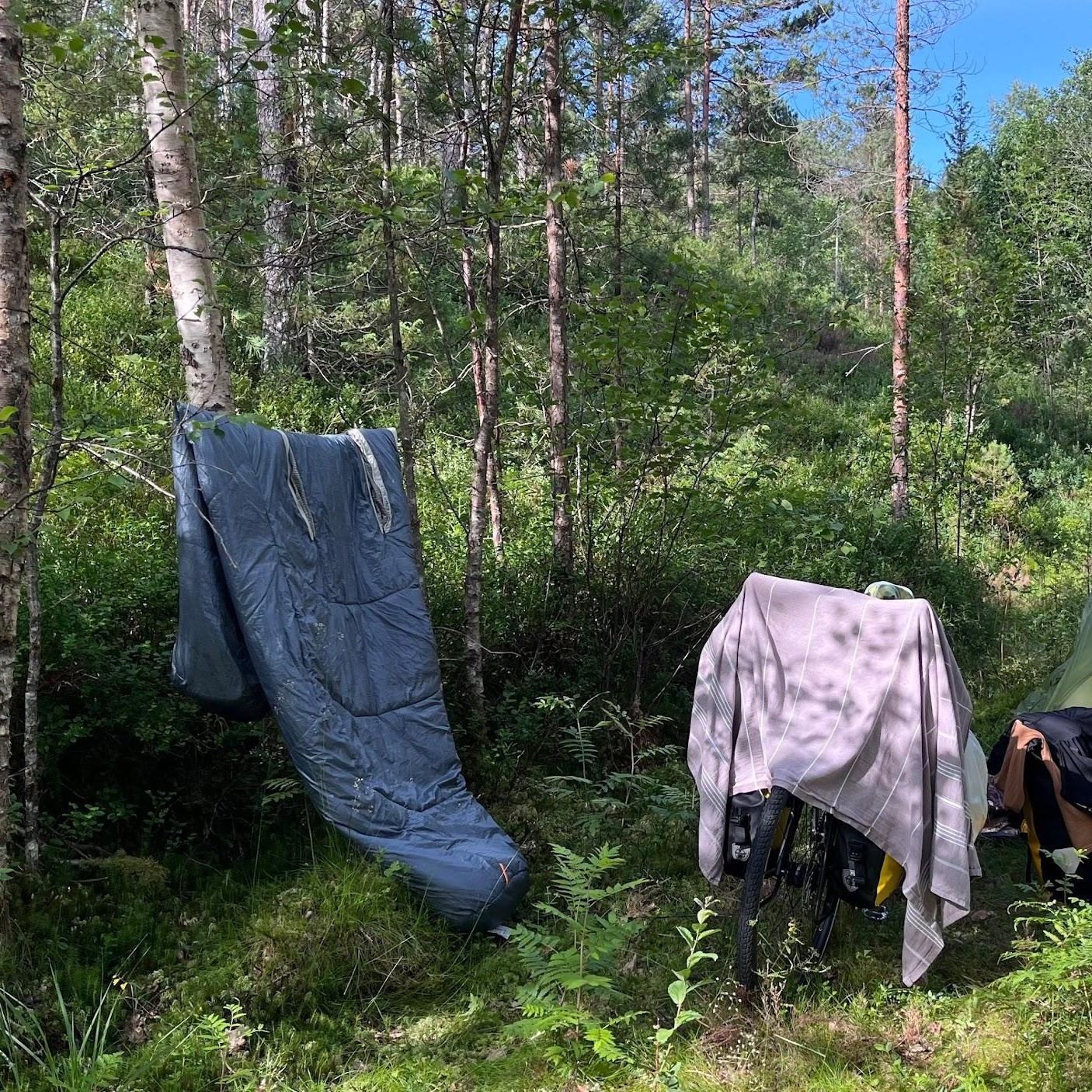
First impressions and room to move
The unusually wide silhouette stands out the moment you unpack it, making the Spoon cut obvious straight away. To Silas, the outer shell initially felt slightly plastic-like, yet overall build quality impressed him: neat stitching, smooth zips and even fill. Only the white lining struck him as an impractical choice for camping. Marius, using the Long size, confirmed the solid finish. To him, the synthetic shell felt almost as soft as a down bag, with tidy seams and zips. At 1.98 m tall, he also confirmed that the Long version comfortably fits tall sleepers.
For Silas, space was the single biggest win. He had never had this much freedom of movement in a sleeping bag before. Turning, rolling over, pulling up your knees: nothing pulls tight. That is a clear advantage for side sleepers and anyone who moves a lot overnight. The generous footbox has one downside, though: on very cold nights, the extra air space gave him cold feet faster. Marius also confirmed the roominess promised by the Spoon cut for side sleepers: not endless, yet noticeably generous.
Warmth and ventilation
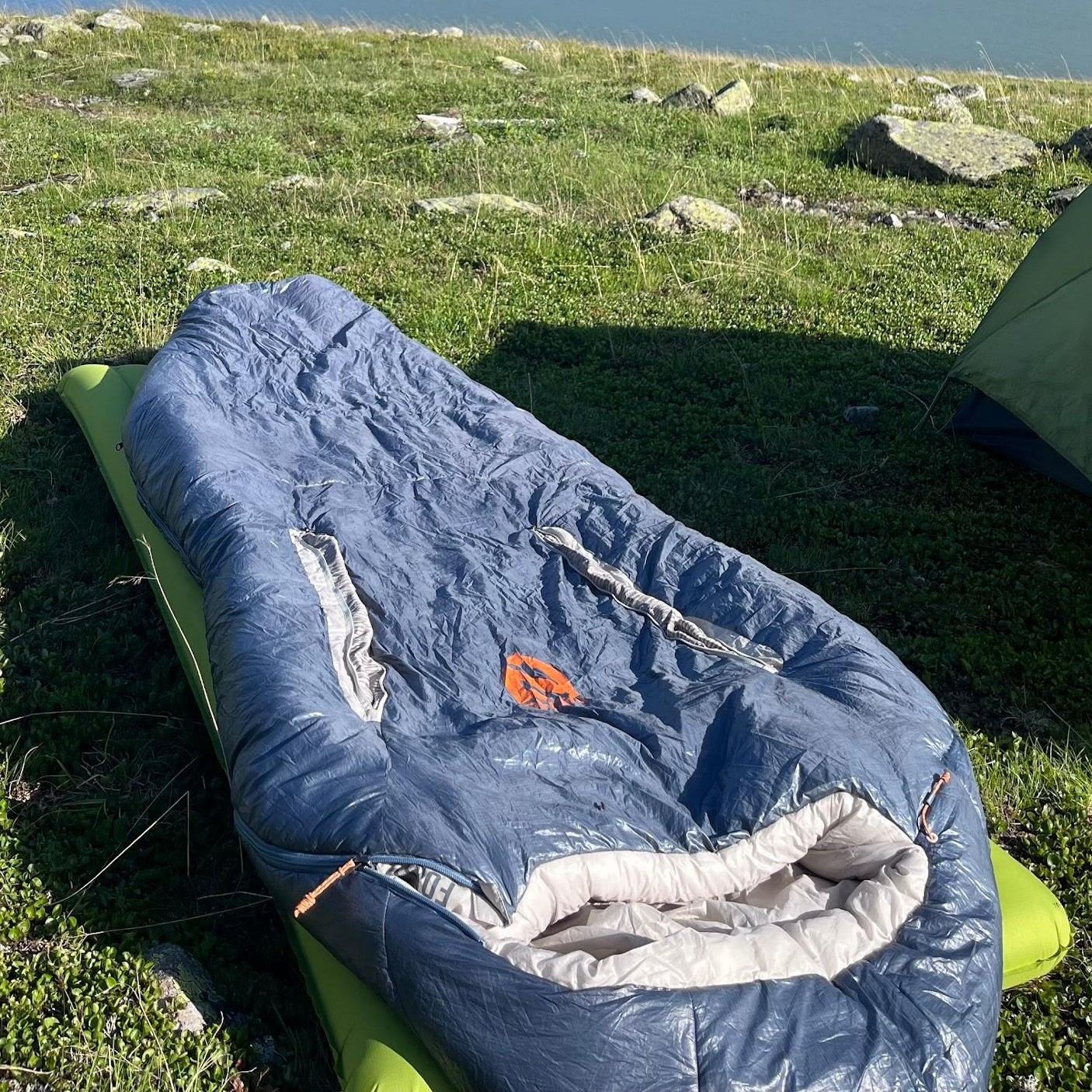
Warmth impressed across most of the range. From 8 °C below a glacier up to mild 18 to 20 °C evenings across Scandinavia, Silas usually slept comfortably in a T-shirt and shorts. Above roughly 18 °C, however, the bag warms up quickly, so he considers it less suited to genuinely hot summer nights. Marius never hit cold temperatures during his summer trips at all. On an Alpine pasture around 20 °C he unzipped it and used it like a quilt, and even inside a mountain shelter at 2,300 m temperatures stayed above 10 °C, where open Thermo Gills still did not cool the bag down enough for him. Given that warmth, he finds the manufacturer's comfort rating of around -2 °C plausible, even without putting it to the cold-weather limit himself.
The hood left Silas unconvinced: even cinched tight, the face opening stayed fairly wide, so he wore a neck gaiter on most nights. The draft collar also tended to sit too low on his chest rather than sealing around his neck. Marius saw that exact feature differently: in his eyes, the Blanket Fold clearly helps trap warmth on cool nights by tucking snugly around the neck to block drafts, though on warmer nights it got in the way unless folded aside. Both agreed that the Thermo Gills have limits. Silas found them surprisingly effective on slightly warm nights, just not above 20 °C. Marius felt their cooling effect fell short at 10 °C ambient temperature, yet still views them as a useful feature that extends the upper range without replacing a lighter summer bag.
What surprised Silas most was wet-weather performance. Inside an open shelter, wind and rain soaked the Forte along nearly its full length, yet warmth barely dropped. By the next morning it dried remarkably fast. Marius did not encounter heavy rain, yet his expectation matches Silas's experience: thanks to synthetic insulation, the Forte handles damp conditions far better than comparable down bags.
Pack size, handling and best use
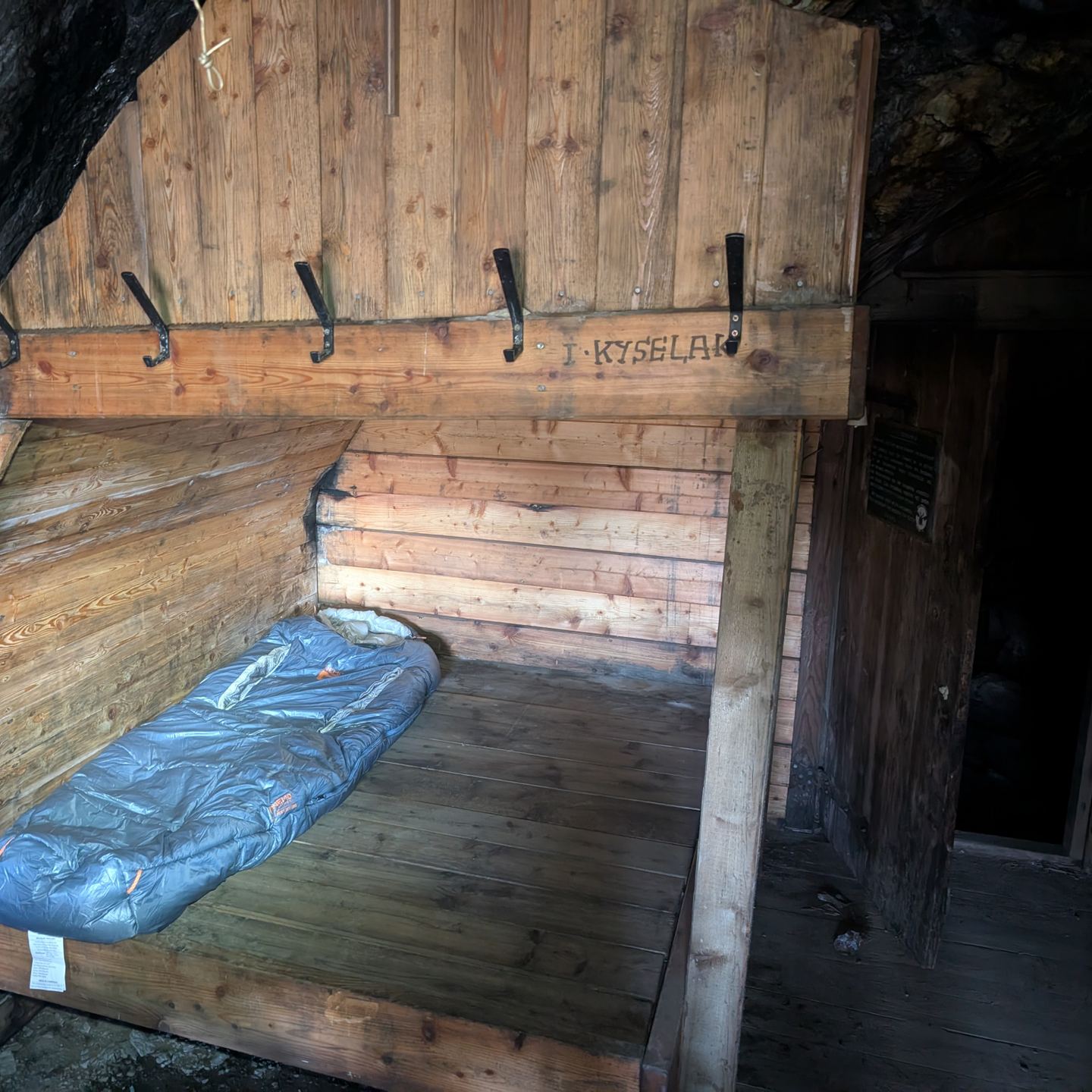
The main zip occasionally caught adjacent fabric, an issue Silas knows from almost every sleeping bag he has owned. What truly bothered him was the hood cinch: the drawcord sits opposite the zip, is awkward to lock and loosens again when you move. Marius noticed a similar snagging tendency, mainly on the inside of the Thermo Gills, though he did not mind taking a moment to close them carefully. Zipping the main closure from inside took a couple of nights to get used to, then worked fine. Unlike Silas, he got along well with the hood drawcord: once you learn the angle, it tightens cleanly, stays put and releases just as fast.
The biggest weakness is packed volume. Even inside a dedicated compression sack, Silas only got it down to about 15 litres. That was too bulky for a road-bike pannier, forcing him to strap the bag across the top of his rear luggage. For backpacking trips on foot, he considers the Forte too large. Marius measured similar figures at around 12 litres compressed and roughly 1.6 kg, and would pick a lighter bag for weight-conscious trekking or bikepacking too. For car camping or van trips where packed bulk does not matter, both draw a very different conclusion: generous comfort for the extra volume and dependable performance across a full month, especially for tall, comfort-focused side sleepers heading into cooler, damper nights.
If you need space inside your sleeping bag, move around at night and want strong insulation, this is a very comfortable choice. If you want to travel as light and compact as possible, look at a different model.
The Forte plays to its strengths in vanlife and on trips where weight and pack size come second, while damp weather and cold nights matter more. For gram-counting trekking setups, I would go lighter.
In the end, one thing stood out across all four logs: picking the right sleeping bag depends less on price than on how you travel.
With the Disco 15, Christoph's and Dirk's notes reinforce each other despite very different routes. Build quality and the main zip impressed both without reservation, and the Spoon cut gives noticeably more room to move than a classic mummy bag, including for broader side and stomach sleepers. Only the Thermo Gills divided opinion: Christoph used them to fine-tune comfort on windy nights, while Dirk simply opened the main zip. The Disco 15 fits anyone carrying a backpack who watches weight and packed volume. Its real territory starts once nights turn cool and breezy; in midsummer heat it is overbuilt.
With the Forte, Silas and Marius painted an equally clear picture: generous comfort from the wide Spoon shape and solid construction, offset by a packed size that rules out ultralight ambitions. Interestingly, they disagreed on the draft collar: Silas felt it sat too low, while Marius valued the Blanket Fold for sealing in warmth on chilly nights. The Forte shines where space is not tight, such as car camping or van trips, where its comfort and dependable warmth stand out without bulk getting in the way.
Where Christoph and Silas had minor reservations about the hood or collar, Dirk and Marius praised those exact features, showing how personal fit really is. On moisture handling, though, all four came away impressed: both the Disco and the Forte coped far better with damp air and rain than most campers expect.

SportFits editorial team
Marketing & Sales Manager at SportFitsNiklas is Marketing & Sales Manager at SportFits and studied applied sports science in Regensburg. In the magazine he writes about training science, fitness and longevity, putting trends into scientific context instead of simply celebrating them. He also looks at what really matters in outdoor gear: honest facts instead of empty advertising language.
Author profile →SportFits
outdoors looks good on you