Super deals: At least 50% off
Guide
Winter boots
Warmth, wet-weather protection and grip are separate features. Choose according to whether you keep moving or stand outside in the cold.
Key points
- Check lining and sock space together; an overly tight fit is unhelpful in winter.
- A warm boot is waterproof only when this is explicitly stated.
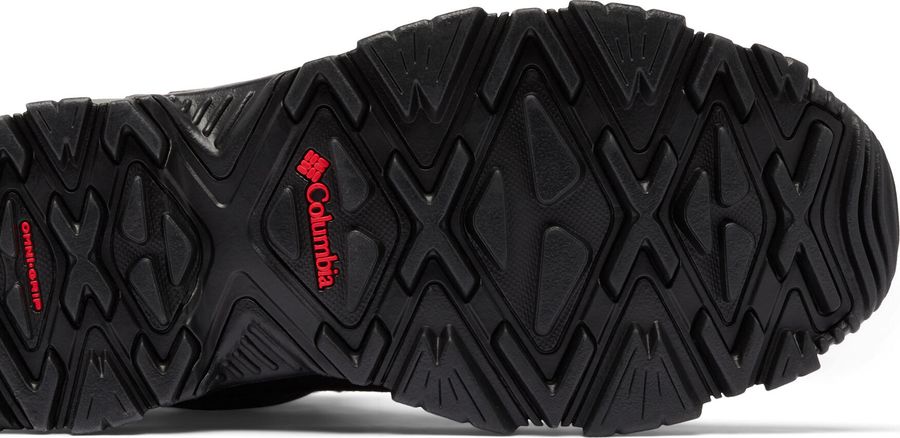
- Winter tread does not guarantee secure footing on bare ice.
- Measure children’s feet regularly and let them operate the fastening.
Buying advice
Which winter boot suits you?
From commuting to winter walks: compare wet protection, warmth and cuff height for your plans.
Which construction for your use?
| Use | Look for | Why |
|---|---|---|
| City and commuting | Look forFlexible and secure | WhyLook for comfortable movement and a fastening that holds the foot securely. |
| Snow and slush | Look forCuff and wet protection | WhyA higher cuff covers more; waterproof construction needs a separate specification. |
| Long periods outside | Look forCompare insulation | WhyLining type and internal space matter. Temperature claims from different brands are not directly comparable. |
Types compared
Laces (Adjustment)
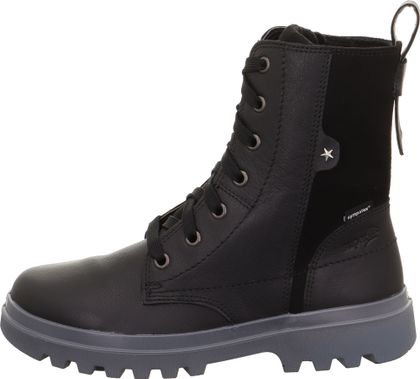
For individually adjustable hold across the instep.
- Advantage: Detailed instep adjustment
- Drawback: Takes longer to put on
Hook-and-loop (Quick entry)
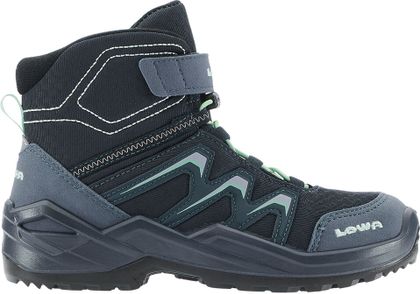
For frequent changes with simple operation.
- Advantage: Quick to open
- Drawback: Adjustment range is limited
What to check before buying
| Question | In brief | Why |
|---|---|---|
| How much insulation? | In briefConsider activity | WhyWalking generates more warmth than waiting. Match insulation to actual use. |
| Which cuff height? | In briefSnow and trousers | WhyThe cuff should work with your trousers and help keep snow out. |
| Which sole? | In briefConsider the ground | WhyPacked snow and ice require different grip. Tread alone is no guarantee. |
| Audience and fit | In briefCheck this model | WhyCompare the actual heel shape, instep volume and width. Size labels alone cannot establish the fit. |
| Size guidance | In briefAbout 12 mm | WhyMeindl suggests this extra toe room for children’s footwear. Also check heel hold and shoe shape. |
Frequently asked questions
Are lined boots always waterproof?
No. Lining describes insulation. Wet protection needs a separate membrane or waterproof construction claim.
Can I add thicker socks?
Only if enough room remains and the heel stays secure. Compressed toes and pressure across the instep indicate a poor combination.
What do temperature claims mean?
They relate to each brand’s conditions. Movement, moisture and individual sensitivity affect comfort, so do not transfer ratings indiscriminately.
How should the lining dry?
Open the boot fully and remove removable liners as instructed. Allow them to dry slowly at room temperature.
What matters for this audience?
Check children’s footwear regularly while they stand. Meindl suggests about 12 mm of extra toe room as guidance, rather than a size guarantee.
Last updated: October 2026
City & everyday
For city walking and commuting, check flexibility and heel hold. Compare the actual lining and wet protection with the weather and route.
- Everyday flexibility
- Check heel hold
- Read wet-protection details
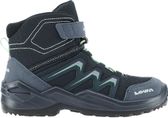
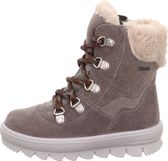
Winter walks
For winter paths, compare tread, cuff height and stated wet protection. A higher cuff adds coverage but does not automatically make a boot waterproof.
- Tread for winter paths
- Cuff works with trousers
- Check membrane specification
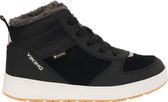
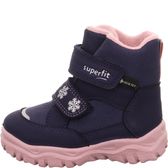
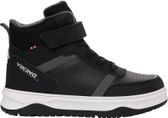
Snow & slush
In snow and slush, the cuff needs to work with your trousers. Check waterproof construction separately; lining describes warmth rather than wet protection.
- Keep snow out at the cuff
- Explicit wet-protection claim
- Room for your socks
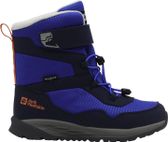
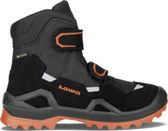
Long periods outside
Standing generates less movement-related warmth than walking. Compare insulation and sock space; do not treat different brands’ temperature claims as directly equivalent.
- Compare insulation
- Avoid constricting the foot
- Consider activity