Super deals: At least 50% off
Guide
Hiking Backpacks
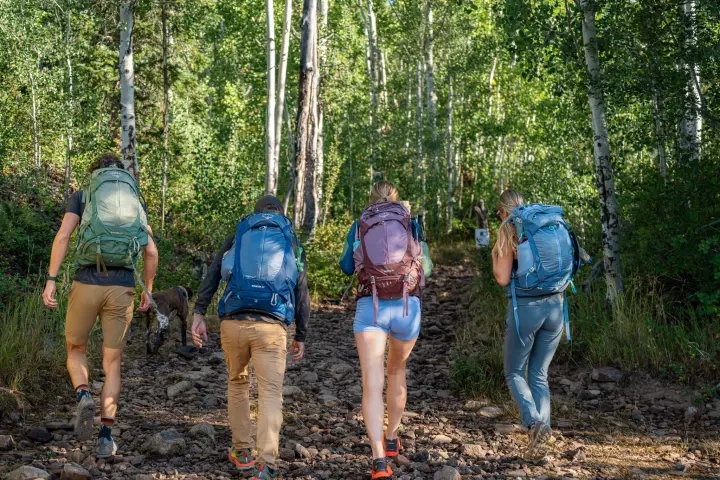
Walking packs should carry day-trip kit without restricting steps or arm movement. Check back length, hip belt and access with the items for your planned walk.
Key points
- Assemble your kit before choosing capacity.
- Try back length and hip belt with a realistic load.
- Mesh backs ventilate; close-fitting systems hold the load nearer the body.
- A rain cover and waterproof packing compartments serve different purposes.
Which option suits your use?
| Use | Choose | Why |
|---|---|---|
| Day walks | ChooseSpace for day-walk kit | WhyFit your jacket, food and actual kit without overfilling the pack. |
| Moving quickly | ChooseClose-fitting carry | WhyAt a brisk pace, check for side-to-side movement. Straps must not restrict your arms. |
| Warmth and ventilation | ChooseVentilated back panel | WhyBalance ventilation against proximity to your back. A suspended panel also changes load position. |
| Different back proportions | ChooseSuitable strap geometry | WhyCompare back length and strap spacing. A women’s label alone does not determine the right fit. |
Types compared
Classic daypack
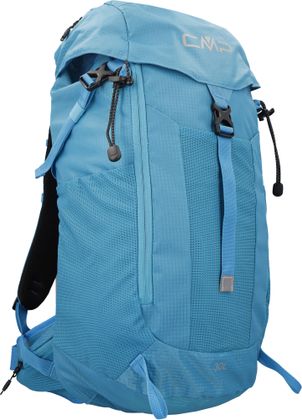
A padded hip belt and pole holders accompany the daypack. It suits walkers carrying spare clothing as well as provisions.
- Advantage: Poles can be attached outside the main compartment
- Drawback: Fixed back length must suit the person carrying it
Close-fitting fastpack
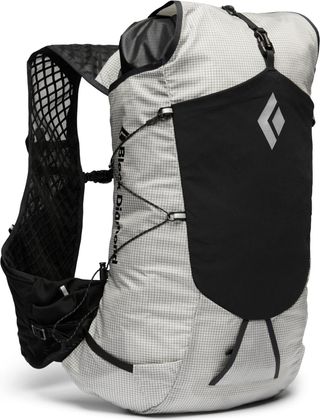
Vest-style shoulder straps hold the pack close to the torso. It suits quick trips alternating walking and running.
- Advantage: Front pockets allow access without taking the pack off
- Drawback: Heavy loading can make the close fit uncomfortably tight
Ventilated walking pack
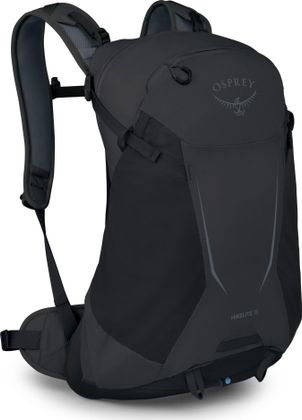
Tensioned mesh keeps the pack away from the skin. It suits warm day walks with a deliberately limited load.
- Advantage: Perspiration can evaporate more easily at the back
- Drawback: Back clearance changes the balance of the load
What to look for when buying
| Question | In brief | Why |
|---|---|---|
| Which capacity? | In briefPlan using your actual kit | WhyA larger pack does not replace the correct back length. First check that your kit fits sensibly. |
| Which back length? | In briefTry it loaded | WhyPosition the hip belt at the intended hip area, then check that shoulder straps sit without pressure or gaps. |
| Which back system? | In briefVentilation versus load proximity | WhySuspended mesh and close padding carry differently. Try them with the load you intend to take. |
| Which details? | In briefAccess and attachment | WhyBottle, rain jacket and poles need suitable places. Attached equipment should not swing uncontrollably. |
Frequently asked questions
How do I check the fit?
Load the pack realistically. Adjust hip belt and shoulder straps, then walk while moving your arms. Check that load, back length and strap spacing work together.
Which maker specification helps when comparing?
Osprey lists a 26 l capacity for the Hikelite 26. Check whether it is enough using the kit you actually carry.
How do I compare different designs?
Compare versions intended for the same use. Dimensions, capacity, weight and weather protection describe different properties. Check interfaces and the complete setup with your existing equipment.
How do I care for it?
Remove dirt after your walk and dry the open pack as directed. Back padding, coatings and removable parts may need different care. Do not machine-wash unless permitted.
Last updated: October 2026
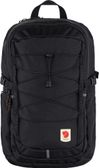
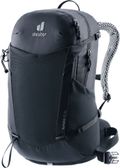
Day walks
For a day walk, the intended items should fit without pressing against your back.
- Space for day-walk kit
- Plan using your actual kit
- Ventilation versus load proximity
Moving quickly
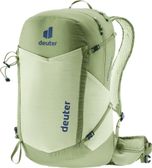
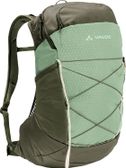
At a fast pace, try the pack with strong arm swing and brief changes of direction.
- Close-fitting carry
- Plan using your actual kit
- Ventilation versus load proximity
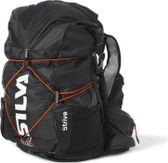
Warmth and ventilation
On warm days, decide how much back clearance you prefer against close load positioning.
- Ventilated back panel
- Plan using your actual kit
- Ventilation versus load proximity
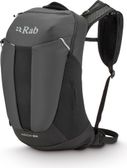
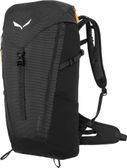
Different back proportions
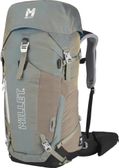
Different body proportions can need different strap spacing even at the same pack capacity.
- Suitable strap geometry
- Plan using your actual kit
- Ventilation versus load proximity




Brands we carry


- Bergans
- Berghaus
- Big Agnes
- Black Diamond
- Camelbak
- CMP
- Columbia
- Cotopaxi
- Dare2b
- DB Journey
- Deuter
- Dynafit
- Exped
- Ferrino
- Fjällräven
- Gregory
- Haglöfs
- Halti
- Helly Hansen
- Jack Wolfskin
- Kelty
- Klättermusen
- Kohla
- La Sportiva
- Level
- Lowe Alpine
- Lundhags
- Millet
- Nemo
- Ortlieb
- Osprey
- Picture
- Pinewood
- Rab
- RipCurl
- Salewa
- Silva
- Tasmanian Tiger
- Tatonka
- Ternua
- The North Face
- Thule
- Trespass
- VAUDE
- Whistler
- Zanier
No brand found