Super deals: At least 50% off
Guide
Climbing bolts & accessories
Choose an anchor for the rock, surroundings and intended use. Equipping a route requires specialist training, so read the installation instructions before choosing the parts.
Key points
- Choose hangers, bolts and nuts as a manufacturer-approved system.
- Near the sea, select materials for the corrosive environment.
- Glue-in anchors need the specified resin system.
- Pitons, bolts and placing tools serve different purposes.
What does the anchor need?
| Use | Choose | Bear in mind |
|---|---|---|
| New drilled anchor | ChooseComplete bolt or glue-in | Bear in mindRock quality and manufacturer guidance determine the system. |
| Replacement hanger | ChooseThe matching component | Bear in mindMatch both hole diameter and material to the bolt. |
| Alpine cracks | ChooseAn appropriate piton | Bear in mindChoose shape and steel for the crack, with specialist knowledge. |
| Equipping and renovation | ChooseSuitable placing tools | Bear in mindChoose drill, hammer and accessories for the anchor system. |
Which anchor construction?
Mechanical anchor (With hanger)
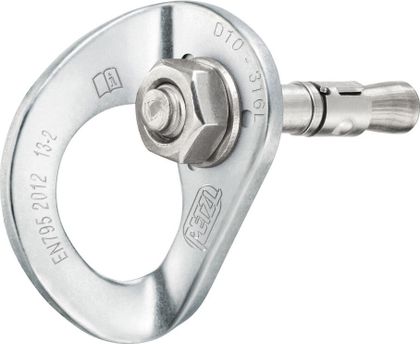
A complete anchor combines the hanger, bolt and nut for its intended drilled placement.
- Advantage: Components supplied as a matched unit
- Drawback: Needs suitable rock and a correctly prepared hole
Glue-in anchor (With resin)
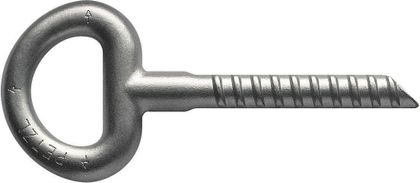
A glue-in anchor is installed using the resin system approved for it.
- Advantage: No separate hanger needed
- Drawback: Curing and preparation need careful planning
What to look for
| Question | In brief | Why |
|---|---|---|
| Which rock? | In briefSeek a skilled assessment | WhyThe anchor needs to suit both the rock type and its condition at the actual placement. |
| Which environment? | In briefChoose the material carefully | WhySalt and other corrosive conditions need suitable materials. Ask a qualified specialist about the location. |
| Which components? | In briefRead the instructions together | WhyMatch the diameters and materials of the hanger, bolt, nut and washer as specified by the manufacturer. |
| What is supplied? | In briefComplete anchor or component | WhyA loose hanger still needs its matching fixing; a glue-in needs the specified resin system. |
Common questions
Can any hanger go on a bolt?
Choose components approved to work together. Match the diameter and use the specified materials; do not improvise combinations of hangers, bolts and nuts.
Is stainless steel suitable everywhere?
Coastal and other highly corrosive sites need materials designed for those conditions. Petzl distinguishes ordinary outdoor locations from particularly aggressive environments.
Can a beginner equip a route?
Learn route equipping and renovation from qualified specialists. Rock assessment, material choice, installation and later inspection belong together; buying equipment does not replace training.
How do pitons differ from bolts?
Pitons are chosen for existing cracks. Mechanical and glue-in bolts use a drilled hole. First decide on the appropriate protection system with specialist knowledge, then choose its components.
Last updated: November 2026
What do you need at the anchor?
Drilled anchors
Choose a complete anchor, a separate bolt or a glue-in to suit the planned system. With a glue-in, the specified resin and its preparation are part of the choice.
- Assess the rock
- Choose the system
- Read the instructions

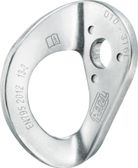
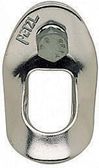
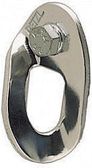
Hangers
Match the hanger to the diameter and material of the intended fixing. Read the manufacturer's approved combinations before buying.
- Hole diameter
- Material
- Approved combination
Pitons
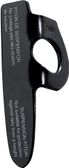
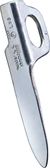
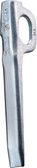
Match the piton shape and steel to the crack and rock. Learn how to place and assess it through suitable specialist training.
- Crack shape
- Rock type
- Specialist knowledge
Placing tools
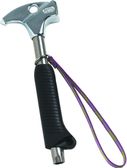
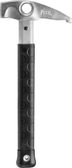
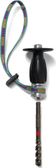
Choose tools for the planned anchor. A hand drill needs the appropriate bit; a climbing hammer helps place and remove suitable pitons.
- Suitable tools
- Learn their handling
- Read the instructions
No products match these filters.


