Super deals: At least 50% off
Guide
Camping tarps & shelters
For a covered camp area, consider pitch space, attachments and rain run-off. Compare an open tarp with a shaped shelter and check the extra equipment needed to pitch it.
Key points
- Allow space for guy lines and pegs beyond the roof area.
- Pitch the fabric so rain can drain away.
- Check poles, pegs and attachments individually in the supplied contents.
Which area do you want to cover?
| Use | Choose | Bear in mind |
|---|---|---|
| Camp seating | ChooseLarge open tarp | Bear in mindFurniture and walkways need room; guy lines should not run through the main passage. |
| Beside a vehicle | ChooseSuitable attachment or separate pitch | Bear in mindMatch the vehicle connection or plan an independently pitched roof beside it. |
| More side coverage | ChooseShaped shelter | Bear in mindCompare closed weather-facing sides and whether an inner tent or groundsheet is needed separately. |
Open roof or shaped shelter?
Open tarp (For camp seating)
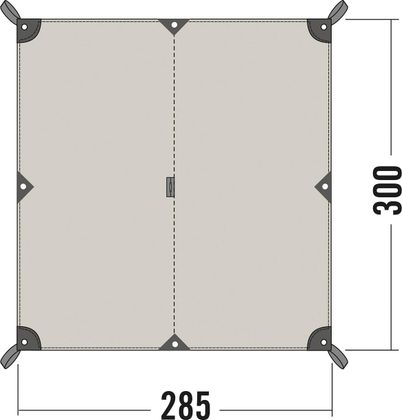
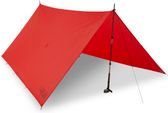
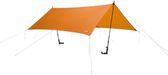
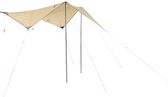
A flat tarp can be pitched at different heights and slopes. Much of the side area remains open.
- Advantage: Flexible pitching over furniture
- Drawback: Sideways rain can enter underneath
Shaped shelter (More side coverage)
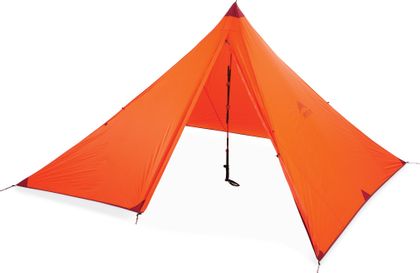
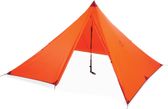
A defined roof shape brings several sides close to the ground. Check floor and inner tent separately.
- Advantage: More enclosed weather-facing sides
- Drawback: Sloping walls reduce usable interior space
What to look for
| Question | In brief | Why |
|---|---|---|
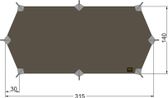
| Which area? | In briefAccount for pitch shape | WhyFlat fabric area is not usable floor area. A sloping roof and low sides reduce the protected space underneath. |
| Which attachments? | In briefSuit the campsite | WhyCheck poles, guy points and suitable pegs. Vehicle rails need a connection explicitly matching the existing fitting. |
| How should I store it? | In briefDry and clean | WhyDry wet fabric fully before longer storage. Remove dirt and follow care guidance for the coating or blended fabric. |
Common questions
Do I need separate tarp poles?
Check supplied contents and your intended pitch. Some tarps include poles; others need separate poles or suitable alternative anchor points. Plan guy lines and appropriate pegs too.
Is a tarp an enclosed tent?
An open tarp leaves the sides and usually the ground open. A shaped shelter can close more weather-facing sides; insects or ground protection may require a suitable inner tent or groundsheet.
How do I avoid water pooling?
Pitch as instructed with a clear slope and retension where needed. Rain should run off rather than collect in low sections. Choose ground where water will not flow through the living area.
Can I use a stove beneath the tarp?
Keep cooking and naked flames away from the tarp and combustible equipment, following the stove instructions. Never use a fuel-burning stove inside an enclosed or poorly ventilated shelter.
Last updated: November 2026
What are you planning at camp?
Shared seating area
Measure chairs, access routes and guy-line space as well as the table. You need room to pitch the roof with drainage.
- Allow for furniture
- Keep guy lines clear
- Plan roof slope

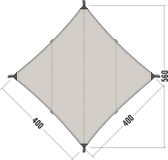
Compact camp
Light tarps save luggage space. Compare the complete setup including poles and pegs so nothing essential is missing.
- Compare packed size
- Include the poles
- Check the pegs
Beside your vehicle
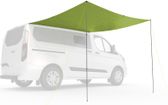
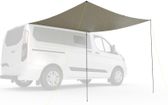
A vehicle tarp needs a suitable connection; an independent shelter pitches separately alongside it. Check your existing fitting and pitch space.
- Check the fitting
- Plan clearance
- Read supplied contents
Shield a weather-facing side
With shaped or low-pitched roofs, compare side coverage and usable space. Keep the necessary ventilation openings clear.
- Consider wind direction
- Practise pitching
- Maintain ventilation
No products match these filters.