Super deals: At least 50% off
Guide
Hydration systems
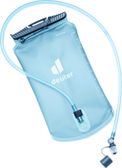
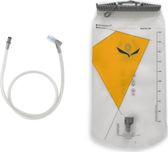
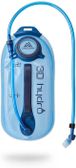
A reservoir must fit your rucksack and dry thoroughly after use. For storing water at camp, a water bag with an easy-to-operate outlet is often more useful.
Key points
- Check the reservoir's shape and hanging points against your rucksack.
- Plan capacity around the route, weather and reliable refill points.
- Tube connectors and valves must match the specific product series.
- Let the reservoir and tube dry completely after cleaning.
Drink on the move or store water?
| Use | Choose | Bear in mind |
|---|---|---|
| Short outings | ChooseCompact reservoir | Bear in mindA smaller container leaves space for clothing and food, but still needs to hold enough water. |
| Long routes | ChooseLarger hanging reservoir | Bear in mindBalance your water supply with rucksack space and identify refill points beforehand. |
| Refilling on the way | ChooseDetachable tube | Bear in mindA compatible quick connector lets you remove the reservoir while leaving the tube in place. |
| Water at camp | ChooseWater bag with an outlet | Bear in mindHandles help with carrying; a filter requires an explicitly compatible connection. |
Reservoir or water bag?
Reservoir (Inside a pack)
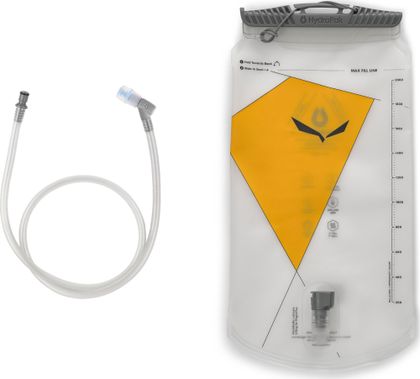
A drinking tube delivers water while you walk.
- Advantage: Drink without stopping
- Drawback: Tube and valve need cleaning
Water bag (At the campsite)
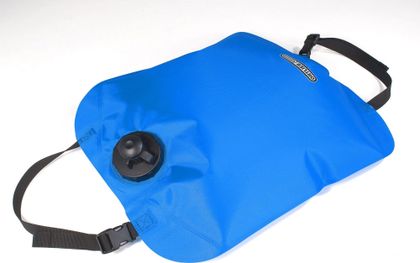
A flexible storage container packs down when empty.
- Advantage: Controlled dispensing
- Drawback: Drinking tube may be separate
What to look for
| Question | In brief | Why |
|---|---|---|
| Will it fit the sleeve? | In briefShape before capacity | WhyA broad reservoir can be awkward in a narrow sleeve despite a suitable capacity. Check the route for the drinking tube as well. |
| How easy is cleaning? | In briefLook for a wide opening | WhyYou need access to the inside surfaces. Air must circulate for drying; a sealed reservoir stays damp inside. |
| Which replacement valve? | In briefCheck the exact series | WhyConnectors and tube diameters differ. Compare the model name of your current system before buying replacement parts. |
Common questions
Can I partly fill a larger reservoir?
Yes, provided it fits the sleeve. Remove excess air before closing it to reduce sloshing while walking. Keep the tube free of kinks.
Can I put juice in it?
Follow the manufacturer's instructions. Sugary drinks need thorough cleaning, including the valve. Plain water is the easier option for everyday maintenance.
Why is water barely flowing?
Check the valve lock and the tube route first. A kink or a connector that is not fully engaged can restrict the flow.
How should I store it afterwards?
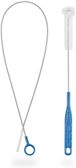
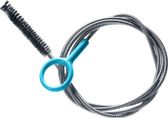
Empty and clean it as directed. Let the container, tube and valve dry completely and store them open. A suitable brush helps reach narrow sections.
Last updated: November 2026
What do you need for the route?
Small rucksack
Compare the reservoir's dimensions with the sleeve. A compact container still needs a suitable hanging point to keep it in position as you drink.
- Measure the sleeve
- Check hanging points
- Plan your water supply
Longer route
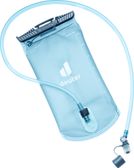
Plan around reliable refill stops and the forecast. A larger reservoir provides extra capacity, but the weight of the water adds to your load.
- Plan the route first
- Allow for filled weight
- Secure the drinking tube
Easy refilling
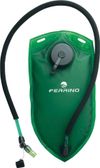
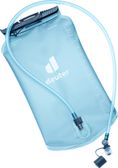
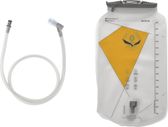
Look for an accessible opening and a detachable tube connection. Follow the instructions for disconnecting and securely reconnecting it.
- Accessible opening
- Compare connectors
- Check for leaks before setting off
Care and spares
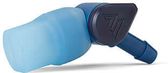
Use a suitable brush for the tube. Replaceable mouthpieces must match the exact system, so check the model name before choosing a spare.
- Clean the tube
- Inspect the mouthpiece
- Dry everything open
No products match these filters.