
Sale: from 50 % off
By use
What matters for your carrier?
Compact for travel
A folding frame helps when the carrier regularly goes into the car or your accommodation. Compare the folded dimensions and check which extra accessories you will need to pack.
- Check the folded dimensions
- Consider the carrier's own weight
- Check whether a sunshade is included
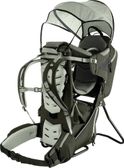
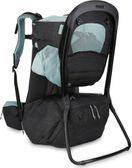
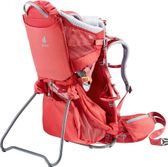
Longer walks
For longer walks, the hipbelt needs to carry the load comfortably. Try a realistic weight and plan stops where your child can get out and move around.
- Adjust the back system under load
- Compare back ventilation
- Take regular movement breaks
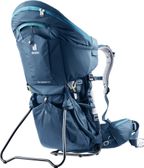
Taking turns carrying
Set the back length for each adult and remember the settings. Hipbelt and shoulder straps need adjusting too, so practise making the change before your walk.
- Check both adults' back lengths
- Try the hipbelt on each person
- Practise adjusting it yourselves
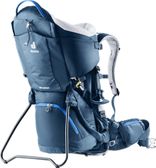
A narrow back
Shorter or more closely shaped straps may feel better on a narrow upper body. Try different carrying systems and check hipbelt contact under a realistic load.
- Check shoulder strap placement
- Look for close hipbelt contact
- Try each with a comparable load
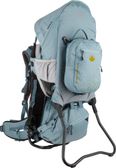
No products match these filters.


Guide
Child carrier backpacks
A framed carrier needs to fit both the adult and the child. Compare the back adjustment, seat and storage together: you will carry every extra item throughout the walk.
Key points
- Use a framed carrier only once your child can sit upright independently.
- The hipbelt and back length must fit everyone who will take turns carrying.
- Fasten the child's harness and adjust the seat and leg support as instructed.
- Check included sun and rain protection, and plan regular breaks for movement.
Which carrier suits your walks?
| Use | Choose | Bear in mind |
|---|---|---|
| Travel and limited storage | ChooseA folding frame | Bear in mindCompare its folded dimensions with your car boot or storage space. |
| Longer walks | ChooseA well-fitting, ventilated back system | Bear in mindTry a realistic load to check hipbelt support and pressure on the shoulders. |
| Taking turns carrying | ChooseAn easily adjusted back length | Bear in mindBoth adults should be able to set the carrier to fit. |
| Plenty of kit for the day | ChooseAccessible pockets and enough storage | Bear in mindConsider the child's weight, luggage and the specific carrier's load limit together. |
Compact or with more features?
Compact folding frame (For travel)
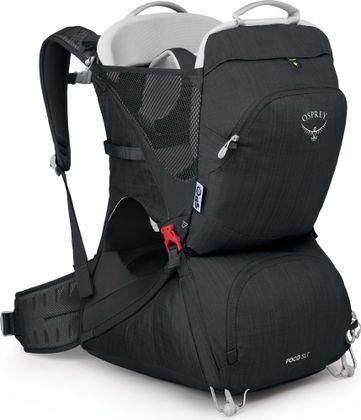
A folding frame saves space when you pack the carrier away. Check whether a sunshade is included or needs to be bought separately.
- Advantage: Takes less room when stored
- Drawback: Weather protection may cost extra
More features (For longer walks)
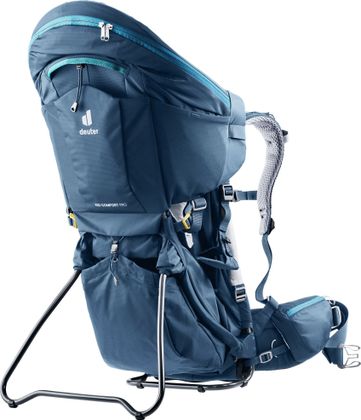
A sunshade, generous padding and extra storage can make breaks and packing easier. Comfort still depends on how the carrier fits under load.
- Advantage: Plenty of features for days out
- Drawback: Greater weight and storage bulk
What to look for
| Question | In brief | Why |
|---|---|---|
| Does it fit both adults? | In briefCompare hipbelt and back length | WhyThe belt needs to sit securely on the pelvis. Both adults should be able to adjust the back system themselves. |
| Does the seat fit? | In briefSet seat height and harness together | WhyFollow the instructions for the exact model. The child's legs and head need suitable, comfortable support. |
| How much can we carry? | In briefRead the model's load limits | WhyThe child's weight and luggage count together. Permitted loads differ between carriers. |
| Is weather protection included? | In briefRead the list of included items | WhyA sunshade provides shade. For rain, use a cover designed for the carrier and keep ventilation clear. |
Common questions
When can my child use a carrier backpack?
For a framed carrier, your child must be able to sit upright independently and control their head. Age alone is not enough to decide. Follow the carrier's requirements too; soft baby carriers have their own approved positions and conditions of use.
Can I put the carrier down with my child inside?
Use firm, level ground and continue to steady the carrier. Never leave your child in it unattended. Take them out during breaks so they can move instead of staying in the same seated position for too long.
How much luggage can I add?
Compare storage with your packing list and stay within the permitted total load. Take what you need for the day: extra storage can also mean extra weight on your back.
Is a sunshade useful on an overcast day?
Plan suitable sun and weather protection for the whole walk. A canopy gives shade but does not cover every part of the body. Check regularly whether your child is too warm or cold; they are less active in the carrier than you are.
Last updated: November 2026