
Sale: from 50 % off
By use
What for?
City and everyday use
For city journeys, your daily items should be easy to retrieve from suitable compartments.
- Room for daily kit
- Compare internal dimensions
- Access rather than quantity
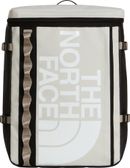
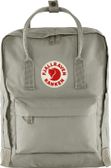
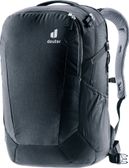
Day walks
On a day walk, even a small pack needs a carrying system that works with its load.
- Carry suited to walking
- Compare internal dimensions
- Access rather than quantity
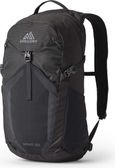
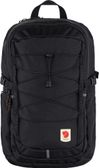
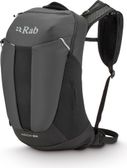
Devices on the move
For electronics, check the usable opening including the protective case so the device does not catch on the edge.
- Suitable device pocket
- Compare internal dimensions
- Access rather than quantity
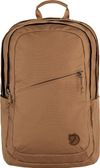
Light and mobile
A light pack makes most sense when the equipment carried is modest too.
- Low empty weight
- Compare internal dimensions
- Access rather than quantity
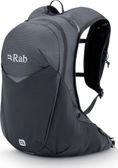
No products match these filters.


Top brands in Daypacks


Show all brands
- 4F
- Atomic
- Bach
- Barts
- Bergans
- Berghaus
- Big Agnes
- Black Diamond
- Bleubird
- Camelbak
- Carhartt
- CMP
- Columbia
- Cotopaxi
- Dakine
- DB Journey
- Deuter
- Didriksons
- Dynafit
- EA7
- Eagle Creek
- EVOC
- Exped
- Ferrino
- Fischer
- Fjällräven
- Gregory
- Haglöfs
- Helly Hansen
- Horsefeathers
- Hunter
- Jack Wolfskin
- Jeanne Baret
- Klättermusen
- Kohla
- Lundhags
- Maloja
- Millet
- Napapijri
- Nemo
- Nikkie
- Nordisk
- Oakley
- Ortlieb
- Osprey
- Outdoor Research
- Pajak
- Picture
- Pinewood
- Puma
- Rab
- RipCurl
- Rossignol
- Salewa
- Sea to Summit
- Sealline
- Silva
- Tasmanian Tiger
- Tatonka
- Ternua
- The North Face
- Thule
- Timberland
- Trespass
- Whistler
No brand found
Guide
Daypacks
A daypack should suit your daily contents and carrying route. Device storage, back construction and access matter more than capacity alone.
Key points
- Match laptop dimensions, not just screen diagonal.
- Try with the bottle, devices and jacket you actually carry.
- A shoulder bag and a rucksack distribute the load differently.
- Coated fabric does not automatically mean waterproof luggage.
Which option suits your use?
| Use | Choose | Why |
|---|---|---|
| City and everyday use | ChooseRoom for daily kit | WhyCheck pocket layout with your bottle, jacket and frequently needed items. |
| Day walks | ChooseCarry suited to walking | WhyA good back fit matters even with a light load. Try with your intended walking weight. |
| Devices on the move | ChooseSuitable device pocket | WhyDevice sleeve and pocket opening must fit. The pack’s capacity in litres does not answer this question. |
| Light and mobile | ChooseLow empty weight | WhyA light construction is intended for light contents. Consider comfort and the model’s load guidance. |
Types compared
Everyday daypack
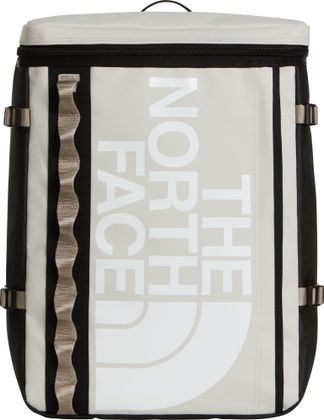
A box-shaped pack with a broad top opening takes daily kit. It suits city journeys needing frequent access to contents.
- Advantage: Clear top access to larger items
- Drawback: A broad pack can catch in narrow spaces
Walking daypack
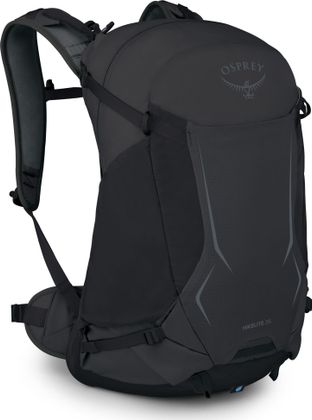
A suspended mesh back separates the pack from your back. It suits day walks where ventilation takes priority.
- Advantage: Air can circulate along the back area
- Drawback: The load centre sits further from the body
Laptop daypack
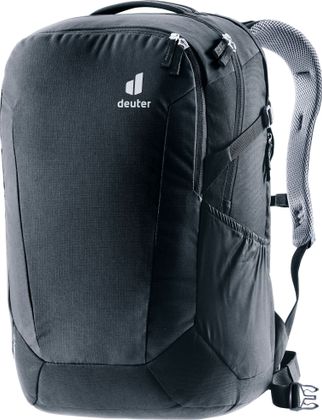
A separate device compartment sits inside a padded daypack. It suits commuters carrying electronics and everyday kit.
- Advantage: Keeps the device better separated from other contents
- Drawback: Padding and dividers take up unstructured storage space
What to look for when buying
| Question | In brief | Why |
|---|---|---|
| Which device? | In briefCompare internal dimensions | WhyScreen diagonal is only a guide. Device body, sleeve and compartment opening must fit together. |
| Which carrying distance? | In briefPack a realistic load | WhyA bag for short distances has different needs from luggage carried on your back for long periods. |
| Which pockets? | In briefAccess rather than quantity | WhyNumerous small pockets help only if your items fit through their openings and inside them. |
| Which rain protection? | In briefInclude seams and closures | WhyA fabric coating alone says little about water entering through zips or seams. |
Frequently asked questions
How do I check the fit?
Try with your devices and usual daily contents. Move your arms, use stairs and check straps at the neck. A bag should remain accessible without swinging uncomfortably as you walk.
Which maker specification helps when comparing?
Osprey lists a 26 l capacity for the Hikelite 26. Check whether your daily kit fits using the contents you actually need.
How do I compare different designs?
Compare versions intended for the same use. Dimensions, capacity, weight and weather protection describe different properties. Check interfaces and the complete setup with your existing equipment.
How do I care for it?
Empty the compartments before cleaning and follow the maker’s instructions. Padding and coated fabrics may need different care from simple textile bags. Dry fully before storage.
Last updated: October 2026