%Super deals: At least 50% off
Bivy bags
Buying guide ↓Guide
Bivy bags
A bivy protects the outside of your sleeping bag; plan warmth and ground insulation separately. First decide whether you will sleep in it regularly or carry it as a reserve for an unexpected night.
Key points
- For planned nights, prioritise ventilation and room to move.
- Mesh keeps insects out; rain needs a weatherproof outer cover.
- Pack a sleeping mat and sleeping bag as well.
- Keep the breathing opening clear and ventilate to release moisture.
Which shelter suits the night?
| Use | Choose | Bear in mind |
|---|---|---|
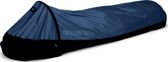
| Planned overnight stop | ChooseBreathable cover with ventilation | Bear in mindAllow room for your sleeping bag and movement; wet fabric should not compress the filling. |
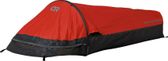
| More space around your head | ChooseHooped bivy shelter | Bear in mindA hoop holds fabric away from your face but adds packed bulk and needs room when pitched. |
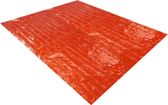
| Emergency reserve | ChooseCompact emergency bivy | Bear in mindCompare packed size and capacity. Allow for a night with little comfort and extra warm clothing. |
What to look for
| Question | In brief | Why |
|---|---|---|
| How much room? | In briefCompare it with your sleeping bag | WhyA bulky winter bag needs more space than a thin summer one. Check the length and shoulder width before choosing. |
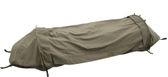
| Which fabric? | In briefCheck base and upper separately | WhyThe base rests on damp ground. For planned nights, the upper should handle rain while allowing moisture to escape. |
| Which opening? | In briefOne you can operate lying down | WhyKeep the zip and breathing opening accessible with cold hands. Never seal yourself inside an airtight bag. |
Common questions
Does it replace a sleeping bag?
Plan a suitable sleeping bag and insulated mat as well. A thin bivy cover blocks wind and, depending on its construction, rain, but does not provide the filling and ground insulation of a complete sleeping system.
Why is the inside damp?
Moisture also comes from your body and breath. Ventilate around the head, breathe outside and dry the cover after use. Even a breathable upper can collect condensation when conditions prevent moisture from escaping quickly enough.
Can I sleep anywhere in one?
Check the rules for your intended overnight location before the trip. Protected areas and planned overnight stays may have different requirements from a real emergency. Also choose a spot away from rockfall, water channels and other apparent hazards.
Is a mesh bivy enough in rain?
Mesh protects against insects. For rain you need a suitable closed cover or additional weather protection. With a modular shelter, check which parts are supplied and which you need to pack separately before leaving home.
Last updated: November 2026
Planned night
Look for a breathable upper and ventilation you can reach easily.
- Allow room for the bag
- Bring a sleeping mat
- Keep the opening clear
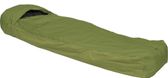
More headroom
A hoop keeps fabric off your face and gives more room for reading or changing.
- Check pitching space
- Compare packed bulk
- Reach the vents easily
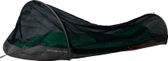
Emergency reserve
A compact reserve travels with you even when no overnight stop is planned.
- Check capacity
- Carry warm clothing
- Keep it accessible
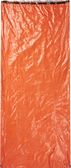
Light cover
Compare weather resistance and ventilation before saving weight on the cover.
- Check the base fabric
- Keep the sleeping bag dry
- Dry after use