Don't have a SportFits user account yet? Then register now, save on your first order, and enjoy many benefits such as parcel tracking and easy returns.
This website uses cookies, which are necessary for the technical operation of the website and are always set. Other cookies, which increase the comfort when using this website, are used for direct advertising or to facilitate interaction with other websites and social networks, are only set with your consent.
Configuration
Technically required
These cookies are necessary for the basic functions of the shop.
"Allow all cookies" cookie
"Decline all cookies" cookie
Adyen JSESSIONID
Adyen _fbp
Adyen _ga
Adyen _gcl_au
Adyen _gid
Adyen _hjid
Adyen _mkto_trk
Adyen _rp_uid
Adyen _uetsid
Adyen _uetvid
Adyen datadome
Adyen gdpr
Adyen lastUpdatedGdpr
Adyen rl_anonymous_id
Adyen rl_user_id
Amazon Pay
CSRF token
Cookie preferences
Currency change
Customer recognition
Customer-specific caching
Editor functionality
Individual prices
PayPal payments
Selected shop
Session
Comfort functions
These cookies are used to make the shopping experience even more appealing, for example for the recognition of the visitor.
Note
Statistics & Tracking
Affiliate program
Conversion and usertracking via Google Tag Manager
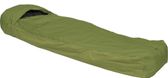
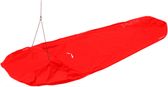
A bivy protects the outside of your sleeping bag; plan warmth and ground insulation separately. First decide whether you will sleep in it regularly or carry it as a reserve for an unexpected night.
Key points
For planned nights, prioritise ventilation and room to move.
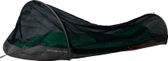
Mesh keeps insects out; rain needs a weatherproof outer cover.
Pack a sleeping mat and sleeping bag as well.
Keep the breathing opening clear and ventilate to release moisture.
Bear in mindAllow room for your sleeping bag and movement; wet fabric should not compress the filling.
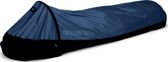
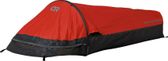
More space around your head
ChooseHooped bivy shelter
Bear in mindA hoop holds fabric away from your face but adds packed bulk and needs room when pitched.
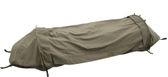
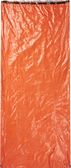
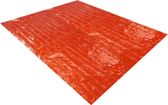
Emergency reserve
ChooseCompact emergency bivy
Bear in mindCompare packed size and capacity. Allow for a night with little comfort and extra warm clothing.
What to look for
Question
In brief
Why
How much room?
In briefCompare it with your sleeping bag
WhyA bulky winter bag needs more space than a thin summer one. Check the length and shoulder width before choosing.
Which fabric?
In briefCheck base and upper separately
WhyThe base rests on damp ground. For planned nights, the upper should handle rain while allowing moisture to escape.
Which opening?
In briefOne you can operate lying down
WhyKeep the zip and breathing opening accessible with cold hands. Never seal yourself inside an airtight bag.
Common questions
Does it replace a sleeping bag?
Plan a suitable sleeping bag and insulated mat as well. A thin bivy cover blocks wind and, depending on its construction, rain, but does not provide the filling and ground insulation of a complete sleeping system.
Why is the inside damp?
Moisture also comes from your body and breath. Ventilate around the head, breathe outside and dry the cover after use. Even a breathable upper can collect condensation when conditions prevent moisture from escaping quickly enough.
Can I sleep anywhere in one?
Check the rules for your intended overnight location before the trip. Protected areas and planned overnight stays may have different requirements from a real emergency. Also choose a spot away from rockfall, water channels and other apparent hazards.
Is a mesh bivy enough in rain?
Mesh protects against insects. For rain you need a suitable closed cover or additional weather protection. With a modular shelter, check which parts are supplied and which you need to pack separately before leaving home.
This website uses cookies, which are necessary for the technical operation of the website and are always set. Other cookies, which increase the usability of this website, serve for direct advertising or simplify interaction with other websites and social networks, will only be used with your consent.
More information