Don't have a SportFits user account yet? Then register now, save on your first order, and enjoy many benefits such as parcel tracking and easy returns.
This website uses cookies, which are necessary for the technical operation of the website and are always set. Other cookies, which increase the comfort when using this website, are used for direct advertising or to facilitate interaction with other websites and social networks, are only set with your consent.
Configuration
Technically required
These cookies are necessary for the basic functions of the shop.
"Allow all cookies" cookie
"Decline all cookies" cookie
Adyen JSESSIONID
Adyen _fbp
Adyen _ga
Adyen _gcl_au
Adyen _gid
Adyen _hjid
Adyen _mkto_trk
Adyen _rp_uid
Adyen _uetsid
Adyen _uetvid
Adyen datadome
Adyen gdpr
Adyen lastUpdatedGdpr
Adyen rl_anonymous_id
Adyen rl_user_id
Amazon Pay
CSRF token
Cookie preferences
Currency change
Customer recognition
Customer-specific caching
Editor functionality
Individual prices
PayPal payments
Selected shop
Session
Comfort functions
These cookies are used to make the shopping experience even more appealing, for example for the recognition of the visitor.
Note
Statistics & Tracking
Affiliate program
Conversion and usertracking via Google Tag Manager
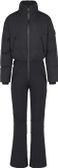
A ski suit needs to fit your shoulders, waist and legs at the same time. Squat when trying it on and leave room for warm layers beneath an unlined suit.
Key points
Check torso length while bending and squatting.
Shells and insulated suits need different layers underneath.
Bear in mindAdjust warmth with base layers and a midlayer.
Cold piste days
ChooseInsulated suit
Bear in mindInsulation helps on lifts, while ventilation makes warmer descents more comfortable.
Close sporting fit
ChooseStretch suit
Bear in mindRaise your arms and squat without pulling at the shoulders or crotch.
What to look for
Question
In brief
Why
Which size fits?
In briefCheck torso length too
WhyCorrect leg length is only part of the fit: the suit should not pull down on your shoulders when you bend.
How do I keep snow out?
In briefCheck the openings
WhyLeg openings should fit over ski boots and close properly. Sleeves need to work with your gloves.
What about wet snow?
In briefLook at fabric and seams
WhyFor damp snow choose an explicitly waterproof construction. A quilted appearance tells you little about weather protection.
Common questions
What should I wear underneath?
This depends on insulation and temperature. A shell needs a suitable warm layer in cold weather; a well-insulated suit often needs less. Try it on with the layers you intend to wear so that the fit stays comfortable.
How do I check torso length?
Raise both arms and squat deeply. The suit should not dig into the crotch or pull across your back and shoulders. Alongside your height, compare your measurements with the particular brand's size chart.
Is a softshell suit waterproof?
Read the details for fabric, seams and fastenings. Sitting in damp snow calls for suitable waterproof protection. In dry cold, a stretch fabric with different features may feel more comfortable, depending on your skiing.
What helps with toilet breaks?
Try the zip layout and any split opening before choosing. You should be able to open the suit while wearing your midlayer. Detachable or divided constructions vary between models, so check how that specific suit works.
This website uses cookies, which are necessary for the technical operation of the website and are always set. Other cookies, which increase the usability of this website, serve for direct advertising or simplify interaction with other websites and social networks, will only be used with your consent.
More information