
Sale: from 50 % off
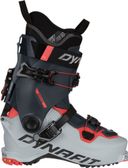
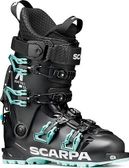
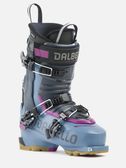
Descents after short climbs
For short climbs, a more descent-focused boot may suit you. Look for a stable heel and a cuff you can flex under control in changing snow.
- Fasten the full ski-mode closure
- Check heel hold while flexing
- Have the binding pairing approved
Longer uphill sections
Walk with the cuff released and the intended liner in place. Feel how freely you can step and whether the cuff rubs against your calf.
- Use your touring socks
- Feel cuff movement as you walk
- Compare weights in the same size
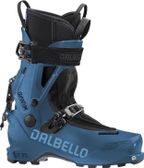
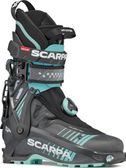
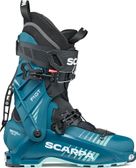
Support a narrow forefoot
Compare narrower shells on your own feet. Your toes should have room while your heel remains settled when you flex into a skiing position.
- Avoid forefoot pressure
- Assess the heel separately
- Ask about shell fitting if needed
Mixed resort and touring days
Each pair of skis needs a compatible and correctly adjusted binding. Confirm the actual pairing before changing between resort and touring equipment.
- Read the sole specification
- Inspect the boot fittings
- Have the binding professionally adjusted


Brands we carry
Guide
Women's freetouring boots
A freetouring boot should move with you uphill and support you on the way down. Match it to your foot shape, calf position and the actual bindings on your skis.
Key points
- Have sole type and binding approval checked together before buying.
- Try walk mode with your own calf shape and the liner fastened.
- Your heel needs firm support on descents while your toes need room.
- A lower women's cuff only works if its edge stays clear of your calf.
How much time is spent climbing?
| Use | Choose | Bear in mind |
|---|---|---|
| Short climbs to powder | ChooseDescent-focused hybrid boot | Bear in mindCheck that you can flex the locked cuff under control. |
| Longer touring days | ChooseUsable walk mode | Bear in mindCompare your stride and the way the boot rolls forwards. |
| Narrow forefoot | ChooseA suitably narrow last | Bear in mindAvoid using a shorter size to reduce width. |
| Several pairs of skis | ChooseAn approved fit for each binding | Bear in mindHave soles, fittings and adjustment checked together. |
How would you like to fasten it?
Dial closure (Fine adjustment)
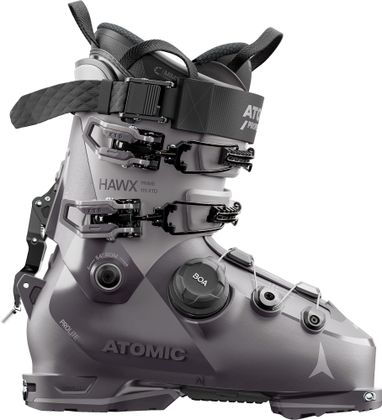
A dial tensions the closure across the shell. After adjusting it, check that your forefoot stays supported without pressure against its sides.
- Advantage: Small changes in tension are easy to make
- Drawback: The underlying shell shape still has to fit
Buckle closure (Separate zones)
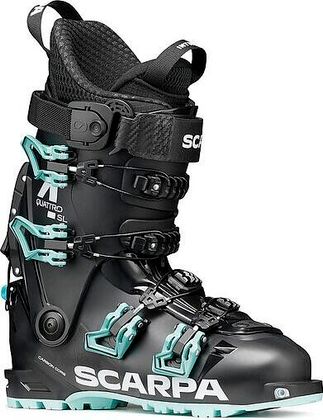
Individual buckles adjust support at different points. Use all the intended closures during fitting and loosen them for walking as instructed.
- Advantage: Closure zones can be operated individually
- Drawback: Mode changes can involve more separate steps
What to look for
| Question | In brief | Why |
|---|---|---|
| Does the calf fit? | In briefCheck cuff height and edge | WhyThe upper edge should not dig in as you flex. Try walk mode without completely undoing the liner. |
| Which bindings? | In briefCheck the exact approved pairing | WhyGripWalk soles and pin fittings serve different purposes. Have every boot and binding combination checked and adjusted by a technician. |
| How much stiffness? | In briefFlex forwards under control | WhyA high flex rating only helps if your strength and skiing style can work with it. Ratings from different brands are only partly comparable. |
| How much toe space? | In briefSeparate heel hold from toe room | WhyExtra space for the toes should not mean a heel that moves around. A different last may work better than a change in length. |
Common questions
Does a women's boot always suit a slim calf?
Proportions vary by model. Compare cuff height and adjustment against your own leg; a low-set calf may still meet an uncomfortable upper edge.
Can I ski on-piste in these boots?
Use them with an alpine binding only when that exact combination is approved. Check the fitted sole type and have the binding adjusted to the boot before swapping skis.
How do I assess walk mode?
Release the cuff as instructed and take a few steps. It should move with your calf without allowing the heel to lift excessively or the liner to rub your shin.
Should I choose a lighter boot?
For longer climbs, compare weights in the same size. Balance the saving against the hold and support you need downhill; a good fit matters more than a small weight difference.
Last updated: November 2026