Super deals: At least 50% off
Guide
Women's Nordic Trousers
Your trousers should move with every stride and remain steady at the waist. Match warmth to effort: thin tights suit training, while warmer softshell can suit gentle cold-weather outings.
Key points
- Check waistband and knees during long strides, not just while standing.
- A windproof front and flexible back panels can work together.
- Insulated shorts add a layer; they do not replace full-length trousers.
Which trousers for which pace?
| Use | Choose | Bear in mind |
|---|---|---|
| Fast skating | ChooseStretch tights | Bear in mindClose-fitting without the waistband rolling or crotch seams pulling. |
| Gentle, windy outing | ChooseSoftshell trousers | Bear in mindRoom for a base layer and protection at the front; the back still needs to allow movement. |
| Very cold days | ChooseWarmer trousers or added shorts | Bear in mindAdd insulation where needed. Insulated shorts leave the lower legs uncovered. |
Close fit or more room?
Tights (For movement)
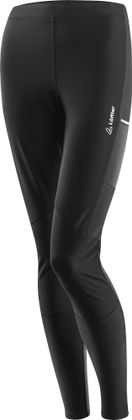
A stretchy close fit allows broad strides and stays steady against the body.
- Advantage: No loose fabric between the legs
- Drawback: Often insufficient warmth for long stops
Softshell trousers (For cool outings)
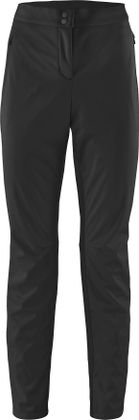
A slightly roomier cut can leave space for a warm base layer.
- Advantage: Easier to combine with layers
- Drawback: May become too warm at high effort
What to look for
| Question | In brief | Why |
|---|---|---|
| Which waistband? | In briefCheck while moving | WhyLean forwards and take a long stride. The waistband should hold without digging into your stomach or sliding down. |
| Where is wind protection needed? | In briefThighs and knees at the front | WhyThey meet the wind directly. A more breathable back helps release heat better than a sealed outer all round. |
| Which length? | In briefTry with skiing boots | WhyThe hem should not bunch or slip over the boot. A zip can help with dressing, depending on how far it opens. |
Common questions
Can I wear running tights for skiing?
In principle yes, if they suit the cold and allow the movements. Light running tights often lack protection at the front in windy conditions. Check construction rather than the sport label alone.
Must they be waterproof?
Not necessarily on dry tracks. Wind protection and moisture release then matter more. Water repellency is not complete protection against rain or wet snow.
What should I wear underneath?
A thin technical base layer suited to warmth and fit. Too many layers can rub at the crotch or press at the waist. Try your intended layers together.
When do insulated shorts help?
In cold weather and during breaks they can warm hips and thighs. Side zips help with pulling them on if provided. Your lower legs still need suitable trousers.
Last updated: November 2026
How will you ski today?
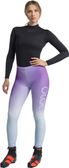
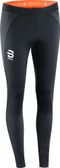
Fast training
Light tights suit sessions where you warm up quickly. Crotch seams and waistband should not pull during a lunge.
- Stretch fabric
- Steady waistband
- No pulling seams
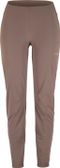
Gentle, windy outing
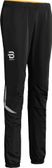
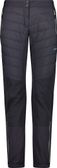
At a gentler pace, softshell trousers can offer more warmth and space. The knees must still allow long strides.
- Check wind protection
- Room for a base layer
- Free knees
Cold tracks
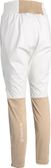
Frost can call for a warmer inner or added wind protection. Choose warmth for your pace, not solely the outside temperature.
- Warmth for your pace
- Wind protection at front
- Hem fits your boots
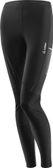
Add more warmth
Insulated trousers or added shorts can meet a higher warmth need. Check whether the model is intended as the main trousers or an over-layer.
- Read intended use
- Try layers together
- Shorts leave lower legs uncovered
No products match these filters.


