Super deals: At least 50% off
Guide
Winter Boots
For winter boots, consider movement, moisture and snow depth. Choose a cuff above the snow and try them with winter socks; long waits need more warmth than brisk walking.
Key points
- Manufacturer guide: around 200 g/m² for walking, 300–400 for long periods standing.
- Ratings such as −40 °C are manufacturer figures, not a personal warmth guarantee.
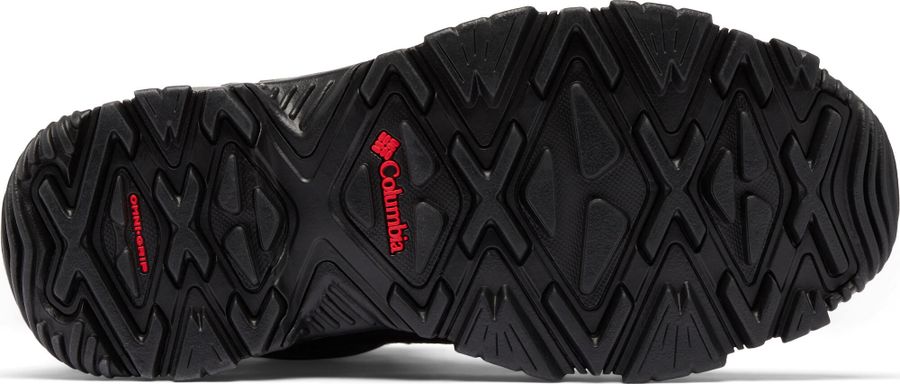
- Waterproof construction helps in slush; tread alone is insufficient on ice.
- With winter socks, toes still move freely and the heel stays secure.
Buying advice
Which winter boot suits you?
Four questions on who the boots are for, use, cold and features help you choose. The advisor compares models for women, men and children.
- Compare by use
- Check fit and features
Which boot for which winter path?
| Use | What to expect | Your choice |
|---|---|---|
| Town and commuting | What to expectSlush and short walks | Your choiceLined everyday boot |
| Winter walks | What to expectLonger paths, firm support | Your choiceWinter walking boot |
| Deep snow | What to expectSnow at the cuff, long stops | Your choiceTall snow boot |
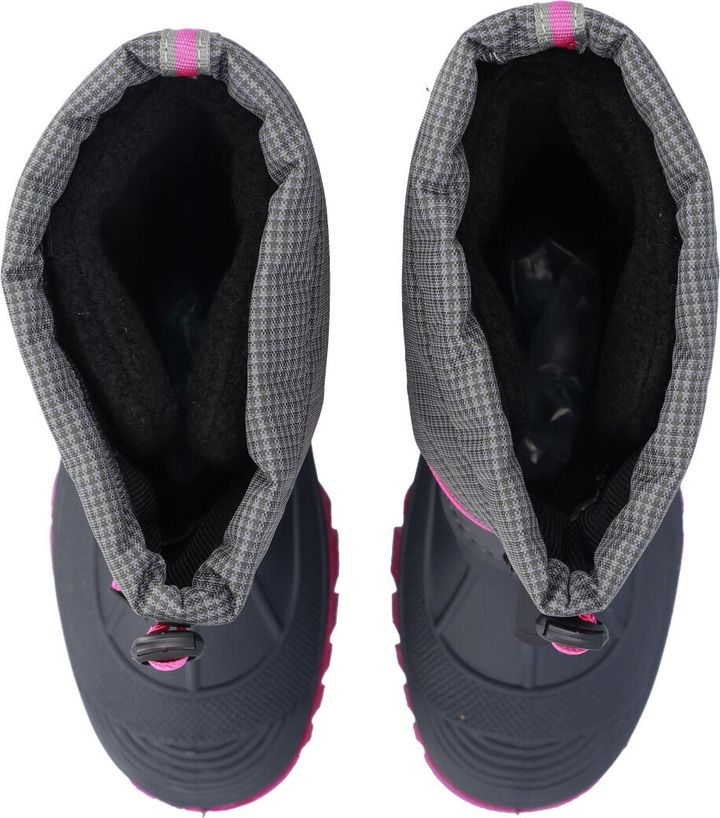
| School and play | What to expectEasy fastening and growth matter | Your choiceSimple children's closure |
Types compared
Lined everyday boot
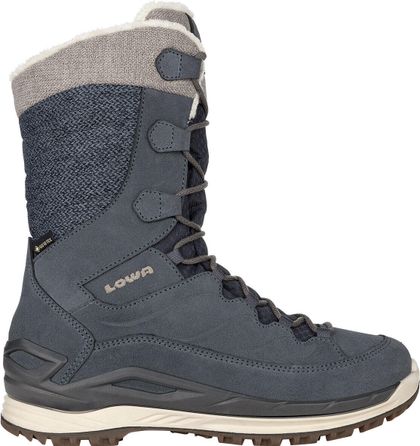
Lowa lists a warm lining and a side zip.
- Advantage: Light
- Drawback: Not for long winter hikes
Winter walking boot
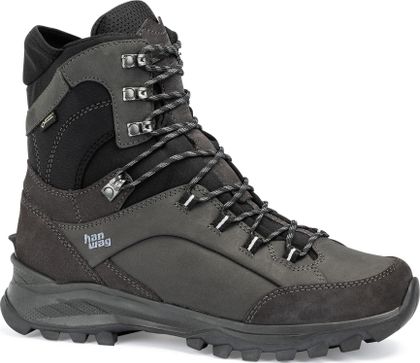
Hanwag lists GORE-TEX Partelana and a Vibram Endurance Ice sole.
- Advantage: Firm lugged sole
- Drawback: Less warm when you stand still
Snow boot with liner
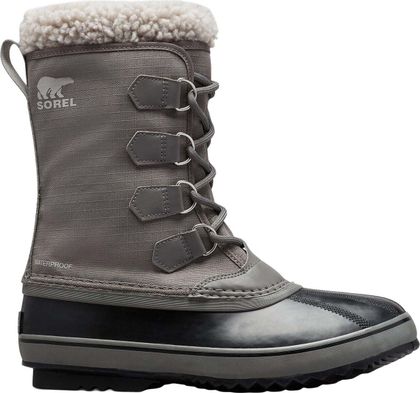
Sorel lists a removable liner for the 1964 PAC Nylon WP.
- Advantage: Rubber shell
- Drawback: Heavy and soft, not for long hikes
Kids' winter boot
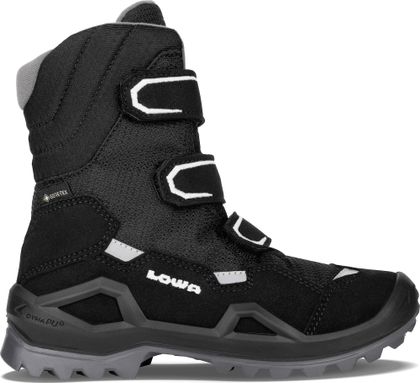
Lowa lists a waterproof warm lining for the Milo EVO GTX Hi JR.
- Advantage: Tall shaft
- Drawback: Feet grow: measure again mid-winter
What to check before you buy
| Question | In short | Why |
|---|---|---|
| Membrane or rubber shell? | In shortMatch the moisture | WhyRubber shells protect in slush. A membrane also allows water vapour to escape. |
| How high is the cuff? | In shortAbove the snow | WhyA snug cuff or gaiter stops snow entering from above. |
| What helps on ice? | In shortExtra traction spikes | WhyManufacturers design some rubber compounds for wet ice. Still plan pull-on spikes for icy paths. |
Frequently asked questions
Can I use them for snowshoeing?
Waterproof, ankle-high boots with firm soles may suit. Check the avalanche bulletin off cleared routes.
Which socks work best?
One well-fitting pair that does not restrict the foot. Bring your winter socks to the fitting.
How do I care for leather boots?
Clean, dry at room temperature and wax as instructed. Hanwag advises against newspaper for drying.
Are winter boots crampon-compatible?
Generally not. Crampons need explicitly suitable mountaineering boots; soft winter boots may lose their hold.
Read more in the magazine
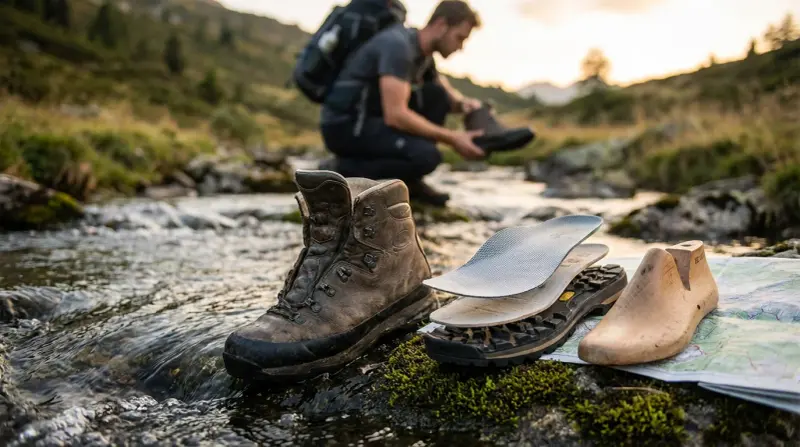 Hiking boot tech: membranes, soles, lastsGore-Tex or Sympatex? Vibram Megagrip or Arctic Grip? The real differences behind hiking boot technology, with practical advice for choosing yours.
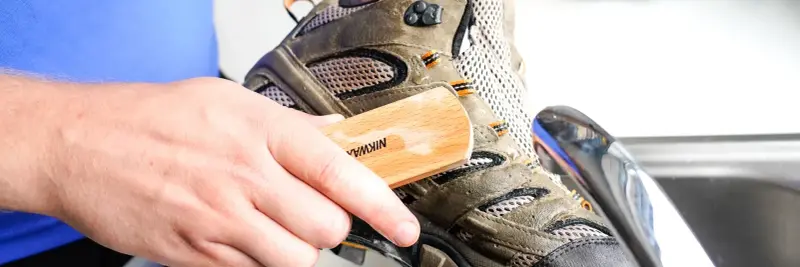 Nikwax: PFAS-free care and waterproofingSince 1977, Nikwax has made water-based care and waterproofing products for outdoor gear. Now available at SportFits.
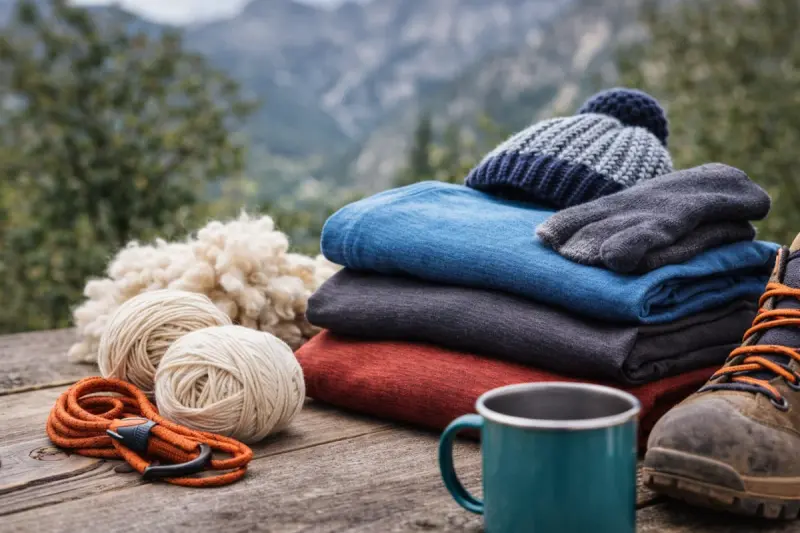 Merino wool: benefits and limitsMerino wool turns up in lots of outdoor clothing. We look at its properties, its strengths and its limits across different activities.
Last updated: October 2026
What for?
Town
For town, a winter boot with about 100 g of insulation, a waterproof build and a lugged sole is enough. If you walk further or often wait at bus stops, go up to 200 g.
- about 100 g insulation
- waterproof
- lugged sole
- low or mid cut
Winter walking
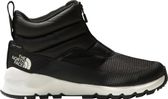
For winter walking, choose an ankle-high, waterproof winter boot with a firm lugged sole and about 200 g of insulation. When the trail turns icy, pull spikes over the boots.
- ankle-high
- membrane
- firm lugged sole
- about 200 g insulation
Deep snow
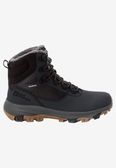
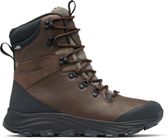
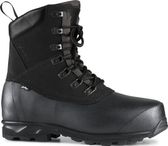
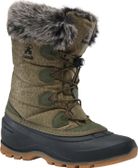
Deep snow calls for a high cuff and protection against moisture. Substantial insulation helps on long stops. A removable liner makes drying easier, but not every model has one.
- high cuff
- weather protection
- warm lining
- cuff closure
Kids
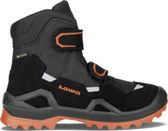
Kids' boots should be 12 to 17 mm longer than the foot, says Austrian research. Measure the inside length and pick a waterproof pair with an easy closure and a tall shaft.
- 12 to 17 mm spare
- measure inside length
- waterproof
- easy closure, tall shaft
No products match these filters.




Brands we carry





Show all brands
- adidas Terrex
- AKU
- Celavi
- CMP
- Color Kids
- Columbia
- Dachstein
- Dare2b
- Dolomite
- Finkid
- Goldbergh
- Haglöfs
- HAIX
- Halti
- Hanwag
- Helly Hansen
- Isbjörn
- Jack Wolfskin
- Kamik
- Liewood
- Lowa
- Lundhags
- Merrell
- Pajar
- Puma
- Reima
- Salewa
- Scarpa
- Sorel
- Superfit
- Tecnica
- The North Face
- Timberland
- Trespass
- Uyn
- Vans
- Veja
- Viking
- Wheat
- Whistler
No brand found
