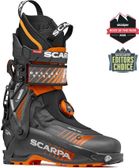
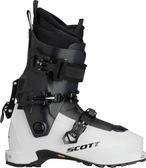
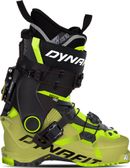
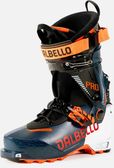
Sale: from 50 % off
Touring & freeride boots
Focus on the ascent
For long uphill sections, weight and a comfortable stride matter. Still match the boot to your skiing and the planned descent.
- Try the walking motion
- Compare weight
- Confirm binding approval
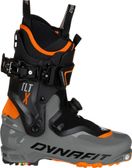
Balanced touring
Versatile touring boots need mobility uphill and a precise fit downhill. Try both modes with your own socks.
- Keep the heel secure
- Practise mode changes
- Seek fitting advice
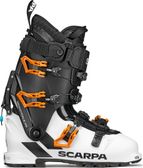
Strong descents
Descent-focused days can justify more support. Confirm the right sole for your binding before buying.
- Check the binding
- Consider cuff support
- Allow for added weight
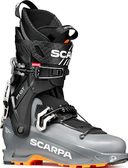
Ambitious climbing
Very light models need a deliberate choice. Check binding requirements, intended use and the descent support you need.
- Define the use precisely
- Read the maker's guidance
- Choose trade-offs deliberately
Guide
Touring & freeride boots
For climbing you need mobility; for skiing down you need suitable support. Check approval for your binding first, then compare a lightweight touring boot with a more descent-focused hybrid.
Key points
- Have sole, inserts and binding approval checked as one combination.
- Walk mode should allow a comfortable natural stride.
- Shell and liner need a sensible initial fit before adjustment.
Where is your main priority?
| Use | Choose | Bear in mind |
|---|---|---|
| Long ascents | ChooseA light touring boot with useful mobility | Bear in mindLower weight and free cuff movement help on extended climbs. Still compare how much support you need for the descents you plan. |
| Balanced touring days | ChooseA versatile touring boot | Bear in mindA secure heel helps in both directions. Changing between walking and skiing should be manageable even with cold hands. |
| Freeriding with ascents | ChooseA descent-oriented hybrid | Bear in mindExtra support on the descent often comes with additional weight. Check actual binding compatibility for both intended uses. |
What to look for
| Question | In brief | Why |
|---|---|---|
| Does the shell fit? | In briefHave foot shape assessed professionally | WhyLength, width and overall volume need to work together. A shell that is too large cannot be made suitable by closing the buckles excessively tight. |
| Does it suit the binding? | In briefMatch the sole and exact approval | WhyPin inserts and a walking sole perform different jobs. Have the complete combination checked professionally for function and release. |
| How easy is the changeover? | In briefOperate both modes before the trip | WhyThe mechanism needs clear engagement and should be kept free of snow. Practise with gloves and your usual touring socks before leaving. |
Common questions
Do touring boots fit normal alpine bindings?
That depends on the sole and binding model. Look for explicit approval for the exact combination and have it checked by a qualified shop. Find the exact sole and binding approval in the manufacturers' documentation.
Can bootfitting solve any initial fit?
Professional fitting can improve pressure points and details, but needs a suitable basic shape. Start with the right shell length and sensible volume. Avoid buying a greatly oversized boot on the assumption that it can later be made smaller.
Is the lightest boot always the best choice?
A light race boot prioritises climbing and may require specific bindings or technique. For varied touring days, support, walking comfort and operation often need a more balanced choice. Choose for your actual outings rather than weight alone.
Do mixed days require two pairs of boots?
A suitable hybrid may cover different uses when the bindings and soles are approved for them. Widely differing requirements may be better served by separate boots. Check the whole equipment combination before buying one compromise for both roles.
Last updated: November 2026