Super deals: At least 50% off
Guide
Slippers
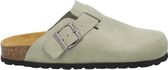
Hut shoes and slippers should hold on the intended floor without squeezing the foot. Distinguish soft indoor soles from firmer outsoles.
Key points
- Choose felt or wool indoors and a suitable outsole for brief outdoor use.
- Warm fabric does not automatically make a slipper waterproof.
- Heel hold helps on stairs and when walking.
- For a rucksack, consider packed size and the intended use.
Which option suits your use?
| Use | Choose | Why |
|---|---|---|
| At home | ChooseWool, felt or soft lining | WhyA flexible sole and a well-fitting footbed matter more than a high shaft. |
| Hut stairs | ChooseHeld heel and outsole | WhyThe slipper should not slide off as your foot rolls through a step. |
| Tents and cold ground | ChooseInsulated camp slipper | WhyCheck insulation underfoot and the outsole’s stated suitability for outdoor use. |
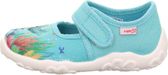
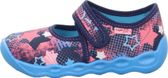
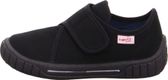
| Children | ChooseSecure fastening | WhyChildren should walk and use stairs without gripping the slipper with their toes. |
Types compared
Wool slipper
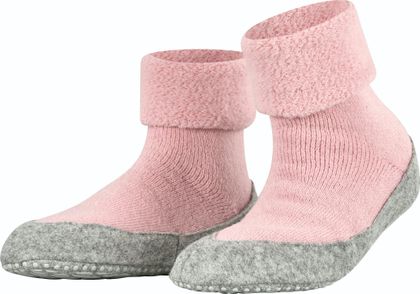
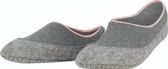
Soft wool knit surrounds the foot without a stiff cuff. It suits dry indoor spaces where you want a flexible slipper.
- Advantage: Little rigid material when sitting or moving
- Drawback: A soft indoor sole gives limited outdoor protection
Insulated hut mule
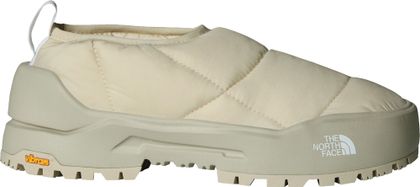
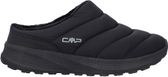
A padded upper sits on a distinct outsole. It suits short trips between hut, entrance and communal room.
- Advantage: A firm underside separates the foot from the ground
- Drawback: An open heel can shift when climbing stairs
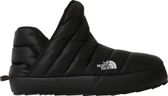
Camp bootie
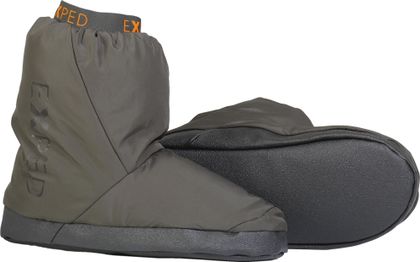
An insulated textile cuff covers the ankle too. It suits resting at camp if the sole is approved for the surface.
- Advantage: Warmth extends above the instep
- Drawback: Saturated filling takes more effort to dry
What to look for when buying
| Question | In brief | Why |
|---|---|---|
| Where will you wear it? | In briefSeparate indoor and outdoor use | WhyA printed textile sole differs from a firm outsole intended for the hut courtyard. |
| How warm? | In briefConsider floor and room | WhyExtra insulation can help on cold ground but may be excessive in a heated room. |
| How much luggage? | In briefCompare packed size | WhyOn a hut tour it must fit your rucksack. A slipper for home can take up more space. |
| How much hold? | In briefCheck the heel when walking | WhyAn easy opening helps when putting it on but must not allow the heel to slip out on steps. |
Frequently asked questions
How do I check the fit?
Try with the socks you wear at the hut or at home. Leave toe space while keeping the heel held when walking. Check open-backed slippers especially carefully on a step.
How is a camp slipper’s sole constructed?
Exped lists a 4 mm sole for the Camp Booty. This describes construction, not a guarantee for freezing temperatures or wet ground.
Can I rely on my usual size?
Use the chart for the exact model. Size labels can differ between brands and lasts. Compare both feet and check the product’s width and fit notes before ordering.
How do I care for it?
Wool, felt and synthetic fills need different care. Follow the label. Clean the sole before packing and allow the slipper to dry fully.
Last updated: October 2026
What for?
At home
Indoors, prioritise a pleasant feel around the foot and a cuff that stays put when standing up.
- Wool, felt or soft lining
- Separate indoor and outdoor use
- Compare packed size
Hut stairs
On hut stairs, check particularly that the shoe stays at the heel when lifting your foot.
- Held heel and outsole
- Separate indoor and outdoor use
- Compare packed size
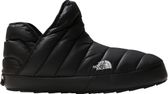
Tents and cold ground
At camp, insulation underneath matters as well as warmth over the foot; thick filling alone is not enough.
- Insulated camp slipper
- Separate indoor and outdoor use
- Compare packed size
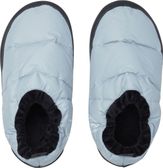
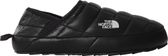
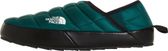
Children
For children, an accessible fastening helps with dressing but cannot correct an overly wide shoe.
- Secure fastening
- Separate indoor and outdoor use
- Compare packed size
No products match these filters.