
Sale: from 50 % off
By use
Where do you sleep?
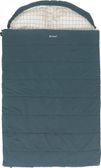
Campsite
On a campsite in summer, a synthetic sleeping bag that copes with dew and condensation will do. If you expect 8 °C at night, choose a comfort temperature of 8 °C or lower.
- Synthetic fill
- Comfort below the night low
- Rectangular or mummy
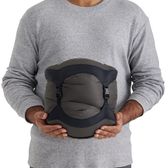
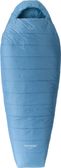
Trekking
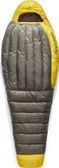
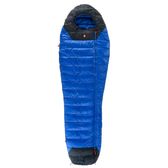
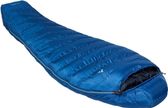
When you carry everything, every gram counts: a mummy-shaped down bag gives lots of warmth for little weight. Compare fill power in cuin and pack it in a waterproof sack.
- Down
- Mummy shape
- Fill power in cuin
- Keep it dry when packed
Mountain hut
Where the hut provides blankets, a liner sits between you and the blanket. Check the hut’s rules first. Cotton blends and microfibre differ in weight, feel and drying time.
- Check hut rules
- Compare weight
- A liner, not insulation
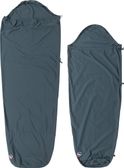
Cold
In frost, your sleeping pad matters too: for nights around -7 °C, REI gives an R-value of 4 to 5.4. Choose your sleeping bag by comfort temperature, never by the extreme value.
- Pad from R 4
- Comfort temperature
- Hood, draught collar
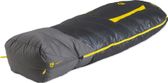
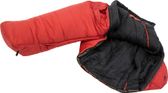
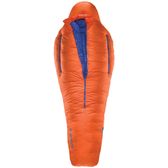
No products match these filters.
Top brands in Sleeping Bags, Pads and Travel Pillows


Show all brands
- Bergans
- Big Agnes
- Bridgedale
- Carinthia
- Dale of Norway
- DB Journey
- Deuter
- Eagle Creek
- Edelrid
- Exped
- Ferrino
- Fjällräven
- Grand Canyon
- Grüezi Bag
- Haglöfs
- Helinox
- Jack Wolfskin
- Kelty
- Kohla
- Liewood
- Marmot
- Millet
- Montura
- Mountain Hardwear
- MSR
- Nemo
- Nordisk
- Osprey
- Outdoor Research
- Outwell
- Pajak
- Pinewood
- Rab
- Robens
- Salewa
- Sea to Summit
- Sierra Designs
- Tatonka
- The North Face
- Therm-A-Rest
- Trespass
- VAUDE
- Whistler
- Witeblaze
No brand found
Guide
Sleeping Bags
The coldest night of your trip decides which sleeping bag you need. Choose by the comfort temperature on the label, not the extreme temperature. Down packs smaller; synthetic fill copes better with damp.
Key points
- Choose by comfort temperature, not extreme temperature.
- Down packs small; synthetic is less sensitive to moisture.
- Store it loose at home; use the stuff sack only on the go.
Which sleeping bag for which night?
| Use | Choice | Limit |
|---|---|---|
| Trekking, mountain trips, cold and dry nights | ChoiceDown sleeping bag (mummy) | LimitMoisture compresses the down, and then it warms less. |
| Camping, canoeing, cycle touring, wet weather | ChoiceSynthetic sleeping bag | LimitHeavier and bulkier than down for the same warmth |
| Summer, campsites, guest beds | ChoiceRectangular sleeping bag | LimitMore air inside. Too open for cold nights. |
| Mountain huts, hostels, inside your sleeping bag | ChoiceSleeping bag liner | LimitBarely warm on its own. No substitute for a sleeping bag in a tent. |
Types compared
Down sleeping bag (Mummy shape)
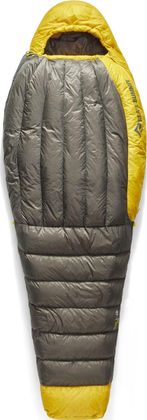
For trekking, mountain trips, cold dry nights.
- Advantage: Lots of warmth for little weight
- Drawback: Loses warmth when damp
Synthetic sleeping bag (Synthetic fill)
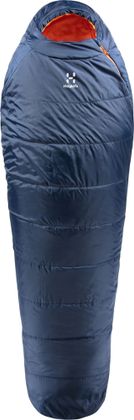
For camping, canoe trips and wet weather.
- Advantage: Stays warm when damp
- Drawback: Heavier and bulkier when packed
Rectangular sleeping bag (Blanket shape)
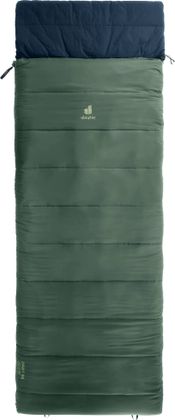
For summer nights, campsites and guest beds.
- Advantage: Plenty of legroom
- Drawback: More air for you to warm up
What to check before you buy
| Question | In short | Why |
|---|---|---|
| Which temperature on the label counts? | In shortComfort temperature | WhyDown to this value, a standard woman sleeps relaxed under EN ISO 23537-1. The limit temperature applies to a man curled up; the extreme temperature is for survival only. |
| Down or synthetic? | In shortDry nights: down | WhyDown is warmer for its weight and packs smaller. When damp it clumps and loses warmth. Synthetic fill stays lofty even when wet and keeps you warm. |
| What does fill power tell you? | In shortValue in cuin | WhyFill power in cuin (cubic inches) shows how much space 1 ounce of down, about 28 g, takes up. The higher the value, the more warmth each gram of fill gives. |
| How long does the bag need to be? | In shortUp to your height | WhyMakers give a maximum body height: at Deuter, Regular fits up to 185 cm, the narrower women's SL version up to 175 cm. If you have big feet, Deuter advises adding 5 cm. |
Frequently asked questions
What does the extreme temperature mean?
It is purely a survival value. Between the limit and extreme temperature, expect to feel very cold and risk hypothermia. Never plan a trip around this value.
What if the label says EN 13537?
EN 13537 is the predecessor standard. Today EN ISO 23537-1 applies, revised in 2022.
Why am I cold despite the right comfort temperature?
Usually the insulation underneath is missing. Put a sleeping pad with a suitable R-value under your bag: for nights around 0 °C, REI gives an R-value of 2 to 3.9.
How do I find out the night-time temperature?
From the weather forecast for the place and altitude. In the standard atmosphere, the air gets 0.65 °C colder for every 100 m you climb.
Last updated: October 2026