Sale: from 50 % off
Stuff sacks
More in Sleeping Bags, Pads and Travel Pillows:
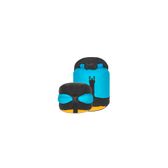
Reduce volume
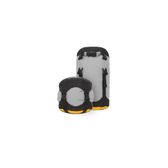
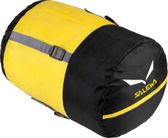
A compression sack saves room in the pack. Tighten straps evenly and release the sleeping bag again at home.
- Match size to contents
- Tighten evenly
- Pack dry
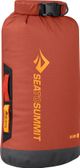
Keep a sleeping bag dry
A suitable dry bag protects contents from water. Its closure needs a free margin and must be closed as instructed.
- Avoid overfilling
- Keep seams intact
- Read usage limits
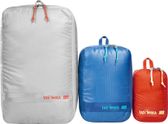
Organise clothing
Light sacks separate clothing and small items in luggage. Compare water protection and closure with your needs.
- Sort by item size
- Consider pack shape
- Read care guidance
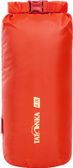
Keep sensitive kit dry
A dry inner bag is useful for sleeping kit and spare clothes. Check approval if carrying the sack outside your pack.
- Keep the closure clean
- Avoid abrasion
- Check immersion separately
Top brands in Stuff Sacks
Guide
Stuff sacks
A sack can organise kit, reduce volume or protect it from water. Decide which job you need first; a simple fabric bag serves a different purpose from a properly closed dry bag.
Key points
- Compression sacks save space in transit.
- Store sleeping bags loose and dry at home.
- Close roll tops as instructed and avoid overfilling.
- Use a waterproof sack only within its approved limits.
What should your sack do?
| Use | Choose | Bear in mind |
|---|---|---|
| Pack a sleeping bag smaller | ChooseA compression sack | Bear in mindStraps reduce transport volume. Choose a size that accepts the dry bag without overloading seams. |
| Keep pack contents dry | ChooseA suitable dry bag | Bear in mindCoated fabric and a suitable closure protect sensitive contents. Follow instructions and immersion limits. |
| Organise small items | ChooseA light fabric bag | Bear in mindA bag separates equipment and clothing. For dry storage at home, airflow is often more useful than sealing. |
| Store a sleeping bag | ChooseA large airy storage sack | Bear in mindThe filling can lie loosely. Pack only when hidden damp areas have dried too. |
What to look for
| Question | In brief | Why |
|---|---|---|
| Which size? | In briefStart with the packed contents | WhyA small sack strains seams and closure. An oversized one can be harder to arrange inside a pack and seal properly. |
| Which closure? | In briefMatch the job and instructions | WhyA drawcord opens quickly; a roll top needs a free margin for closing. Allow that room when filling it. |
| How tough? | In briefInside or outside the pack | WhyLight bags work well inside. Contact with rock, boat floors or rough luggage calls for more resistant outer fabric. |
| Compression or storage? | In briefSeparate transit and home use | WhySmall volume helps on a trip. Long-term tight packing leaves sleeping bag filling less room to expand. |
Common questions
Is every stuff sack waterproof?
Check fabric, seams and closure on the specific model. A drawcord fabric bag mainly provides organisation. Water protection needs a construction approved for that purpose.
Can a dry bag go underwater?
Only within the maker's stated limits. A roll top may be intended for splashes without covering prolonged immersion. Delicate electronics need protection designed for their intended exposure.
How big should the sleeping bag sack be?
Compare your sleeping bag's packed volume with the sack's sizing guidance. Leave room to close it and tighten compression straps evenly rather than pulling only one side.
How should I store a sleeping bag at home?
Fully dry, loosely and according to the care instructions. A large storage sack or another airy arrangement gives the filling more room than its tight transport bag.
Last updated: November 2026