
Sale: from 50 % off
Short climb
Even near light helps you place your feet. Compare fit and runtime at the setting you actually use when walking.
- Broad near beam
- Stable fit
- Runtime at working setting
Descending in darkness
More speed needs a clear view of upcoming ground. Check reach and beam spread; slow down whenever visibility becomes too short.
- Check beam reach
- Light the sides
- Match speed to visibility
Regular outings
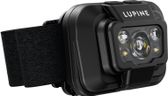
Look for switches you can use with gloves and a charging or battery routine that suits your trips. The lamp should stay steady over a hat or helmet.
- Glove-friendly controls
- Plan charging
- Fit over headwear
Long cold tours
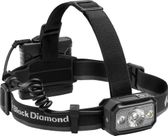
Allow reserve beyond your expected duration. For a separate battery pack, check cable routing and carrying position; add an independent spare lamp.
- Energy margin
- Check battery position
- Pack a spare lamp
Brands we carry
Guide
Ski touring headlamps
Ski touring combines slow climbs with faster movement in darkness. Compare the beam and runtime at the setting you will use, rather than relying on maximum brightness.
Key points
- A broad near beam helps walking; speed also calls for distance.
- Check runtime at your working setting and allow a reserve.
- Cold affects batteries; a separate battery pack can be carried close to the body.
- For helmet use, the strap or mount must fit the helmet.
How will you move in the dark?
| Use | Choose | Bear in mind |
|---|---|---|
| Climbing before sunrise | ChooseBroad, even near light | Bear in mindThe ground immediately ahead should stay visible without unnecessary glare. |
| Faster descents | ChooseA beam with distance | Bear in mindMatch speed to visibility; a bright central spot alone shows little of the route edges. |
| Long winter tours | ChooseEnough energy plus a reserve | Bear in mindCompare runtime at your working setting and carry an independent spare light. |
| Adjusting equipment | ChooseAccessible controls | Bear in mindYou should be able to operate the switch with gloves without taking the lamp off. |
Replaceable cells or recharging?
Replaceable cells (Swap on the trail)
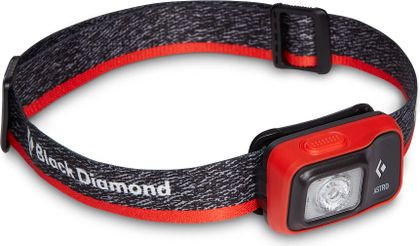
Suitable spare batteries replace empty cells during the outing.
- Advantage: Fresh cells available on the move
- Drawback: Spare batteries add luggage
Rechargeable (For regular use)
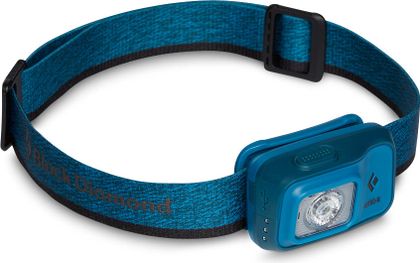
Charge the battery through its intended connection before departure.
- Advantage: Convenient routine charging
- Drawback: Plan access to power
What to look for
| Question | In brief | Why |
|---|---|---|
| What do lumens tell me? | In briefCheck the beam as well | WhyBrightness alone says little about the width and reach of the light. Compare modes and beam-distance information together. |
| How long will it last? | In briefCompare working settings | WhyA low setting runs longer than full power. Do not plan around the longest runtime if your route needs much brighter light. |
| Will it fit my helmet? | In briefMount and supplied parts | WhyStraps, clips and battery fittings vary. A separately sold lamp head may need additional components before it can be used. |
Common questions
Will a small lamp cover the whole tour?
A slow climb may need modest lighting. A descent calls for more visibility ahead and to the sides. Choose for the most demanding section and match your speed to what you can see.
Why does my battery last less in winter?
Low temperatures can reduce available energy. Follow the maker's temperature guidance, carry a separate pack warmly where possible and leave an energy margin.
What should I carry as a backup?
An independent spare lamp also helps if the main unit fails. Suitable cells or a charged spare battery add energy reserve; check that everything works before leaving.
How do I stop it switching on in my pack?
Use the transport lock where fitted. Otherwise secure the switch as directed or disconnect a battery connection designed for that purpose. Check the charge before every outing.
Last updated: November 2026