%Super deals: At least 50% off
Navigation & watches
Buying guide ↓Guide
Navigation & watches
Reliable orientation needs usable mapping and a method you understand. Decide whether you want to work with a map and compass or follow a suitable route display on your wrist.
Key points
- Distinguish activity recording, route guidance and map display on watches.
- Practise with a compass and suitable map before a trip.
- Compare battery life in the operating mode you actually need.
What should the equipment do?
| Use | Choose | Bear in mind |
|---|---|---|
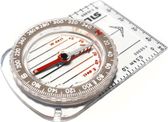
| Relating map to terrain | ChooseA baseplate or sighting compass | Bear in mindA transparent base helps with map work; a mirror helps with bearings. Either requires you to know the appropriate navigation technique. |
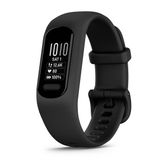
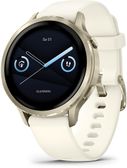
| Recording a sporting activity | ChooseA watch with relevant sport functions | Bear in mindTrack recording and navigation are different features. Check what maps and routes the specific watch is able to display. |
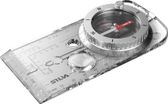
| Orienteering on the move | ChooseA clearly readable running compass | Bear in mindThe compass should sit comfortably in your hand or its intended holder while moving. Compare the shape with the way you hold your map. |
What to look for
| Question | In brief | Why |
|---|---|---|
| What guidance do you need? | In briefSeparate mapping, route lines and direction | WhyA watch may save a track without offering map-based guidance. Read the specification for the required function before buying. |
| How long is the outing? | In briefRead runtime for the mode in use | WhySatellite reception and the display consume power. Plan energy for the full trip and include a suitable margin for changes. |
| How will you operate it? | In briefCheck controls in realistic conditions | WhyGloves, rain and movement affect handling. A readable display and accessible buttons can matter more than extra functions you never use. |
Common questions
Can a sports watch replace a map and compass?
On a demanding outing, avoid relying on a single electronic device. Carry a suitable independent means of orientation and know how to use it. Check which maps or routes will actually be available on the watch before leaving.
Does a compass need a battery?
A magnetic compass works without a battery. Hold it as intended and use it with a suitable map. When reading it, keep it away from metal and electronic devices that can affect the needle's direction.
How do mirror and baseplate compasses differ?
A mirror compass helps sight a target while keeping the needle visible. A transparent baseplate makes working directly on a map easier. The useful design depends on the navigation techniques you have learnt and intend to use.
Can I load a route once I am out?
Prepare important maps and routes before leaving and check them without a mobile connection. Features may depend on an app, connection or available data. Preparation and power planning are part of the trip rather than an afterthought.
Last updated: November 2026
- All Outdoor Equipment
Backpacks
Poles
Sunglasses
Sleeping Bags, Pads and Travel Pillows
Camping Furniture
Headlamps & Light
Tents
Cookware
Water Bottles & Cups
Snowshoes
Crampons
First Aid
Duffles & Luggage
Ice Axes & Screws
Avalanche Safety Gear
Navigation & Watches
Accessories
Strollers, Kids’ Scooters & Kickboards
Kids & Baby Essentials
Roof Racks, Roof Boxes & Car Accessories
Take a bearing with a map
Sighting and mirror compasses help determine direction. Practise the combination with your map before a remote trip.
- Know the map technique
- Keep the needle free
- Avoid nearby interference
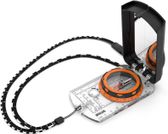
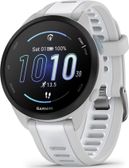
Record an activity
Compare each watch's sports features. For navigation, read separately whether it displays routes or mapping.
- Read the feature list
- Compare operating modes
- Plan charging
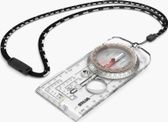
Work with a route map
Appropriate scales and a readable needle help map work. Match the equipment to a navigation method you have learnt.
- Look at the scales
- Understand the display
- Use a suitable map
Orienteer while running
Running compasses need to stay easy to read in motion. Compare the grip or holder with your usual map position.
- Try the hand position
- Read at a glance
- Practise handling