Sale: from 50 % off
Nordic skiing equipment
Poles for Nordic skiing
Compare available lengths with the manufacturer's chart. The hand strap needs to work comfortably with your gloves.
- Decide on technique
- Use the size guidance
- Try grips with gloves

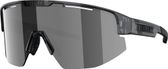
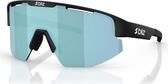
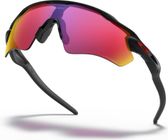
Sun and wind protection
Select tint for the expected light. The frame and arms should remain comfortable beneath your hat.
- Read the lens option
- Try with your hat
- Check stability in motion
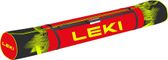
Transport your skis
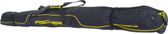
One pair and several pairs need different shapes. Allow for the tips and enough room around the bindings.
- Measure the skis
- Inspect the bag design
- Protect the bindings
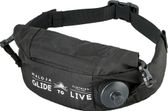
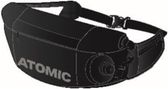
Drink on the trail
A drinking belt should not interrupt pole action. Compare operation and supplied contents before choosing by capacity.
- Adjust it filled
- Check access
- Clean the container
Top brands in XC Ski Gear
Guide
Nordic skiing equipment
Match poles to your technique and height, then glasses and lighting to the conditions. For transport, choose a bag long enough to protect your skis with their bindings fitted.
Key points
- Choose pole length for classic skiing or skating.
- Try glasses with your hat and, if needed, headtorch.
- Match ski bags to the real length and bulk of your equipment.
What is missing for the trail?
| Use | Choose | Bear in mind |
|---|---|---|
| Pushing with your arms | ChooseNordic poles for the technique | Bear in mindClassic skiing and skating call for different lengths. Use the pole maker's size guidance and check competition rules when choosing race equipment. |
| Protecting eyes from wind | ChooseSecurely fitting sports eyewear | Bear in mindThe frame should remain steady with a hat and head movement. Choose the lens option for the light rather than comparing frame colour alone. |
| Getting skis to the trail | ChooseA ski sleeve or transport bag | Bear in mindMeasure the skis with bindings in place and allow for poles or extra pairs. Padding can be useful when equipment is transported frequently. |
What to look for
| Question | In brief | Why |
|---|---|---|
| Do the grips work for you? | In briefCompare the strap with your gloves | WhyYour hand should return to the grip in a controlled way. Check how the strap releases and adjusts with the gloves you intend to wear. |
| What visibility will you need? | In briefMatch lens tint to the weather | WhyA very dark lens is inconvenient in shaded woodland. Compare transmission and fit while wearing your usual head covering. |
| What supports a full outing? | In briefPlan water and light as needed | WhyA drinking belt should remain steady through pole movement. For darkness, check lamp runtime and complete supplied contents before leaving. |
Common questions
Are poles the same length for both techniques?
Skating generally uses longer poles than classic skiing. Follow your height, technique and the manufacturer's recommendations. Competitions may apply their own limits, so check the relevant rules before selecting race-pole length.
Do I need specific Nordic glasses?
A secure fit, ventilation and a suitable lens help during active sessions. The glasses should not shift with your pole movement. Try them together with a hat and headtorch if that is how you intend to use them.
How should I pack a ski bag?
Place clean, dry skis so that edges and bindings cannot damage other contents. Use internal fixings where provided to control loose items. The bag should close without forcing a binding against the zip or stretching the fabric.
What matters for an evening outing?
Check trail opening and local rules for use after dark. Take suitable lighting with sufficient energy and clothing for the conditions. A lamp-head component requires its intended power supply and mount rather than being a complete standalone lamp.
Last updated: November 2026