Don't have a SportFits user account yet? Then register now, save on your first order, and enjoy many benefits such as parcel tracking and easy returns.
This website uses cookies, which are necessary for the technical operation of the website and are always set. Other cookies, which increase the comfort when using this website, are used for direct advertising or to facilitate interaction with other websites and social networks, are only set with your consent.
Configuration
Technically required
These cookies are necessary for the basic functions of the shop.
"Allow all cookies" cookie
"Decline all cookies" cookie
Adyen JSESSIONID
Adyen _fbp
Adyen _ga
Adyen _gcl_au
Adyen _gid
Adyen _hjid
Adyen _mkto_trk
Adyen _rp_uid
Adyen _uetsid
Adyen _uetvid
Adyen datadome
Adyen gdpr
Adyen lastUpdatedGdpr
Adyen rl_anonymous_id
Adyen rl_user_id
Amazon Pay
CSRF token
Cookie preferences
Currency change
Customer recognition
Customer-specific caching
Editor functionality
Individual prices
PayPal payments
Selected shop
Session
Comfort functions
These cookies are used to make the shopping experience even more appealing, for example for the recognition of the visitor.
Note
Statistics & Tracking
Affiliate program
Conversion and usertracking via Google Tag Manager
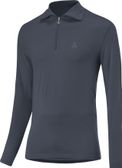
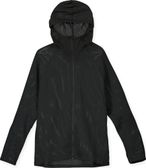
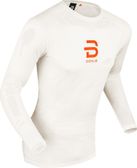
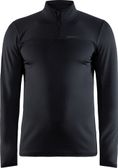
A cross-country midlayer should retain warmth while passing moisture onwards. Choose fabric for effort and cold, then check it with your base layer and wind jacket.
Key points
Choose thinner fabric for hard sessions and warmer fabric for gentle skiing.
Bear in mindAdd a wind jacket where the front has no wind protection of its own.
Gentle skiing in cold weather
ChooseWarmer fleece or wool blend
Bear in mindExtra warmth helps at low effort but can become excessive uphill.
Changing pace
ChooseEasy-to-vent jacket
Bear in mindA full zip opens widely and makes taking the layer off easier.
What to look for
Question
In brief
Why
How close should it fit?
In briefTry the layers together
WhyFabric should not bunch under the wind jacket. Long arm movements should not pull across back or shoulders.
How warm is the fabric?
In briefCompare structure and thickness
WhySmooth thin fabric adds less bulk; brushed or deeper structures trap more air. Compare the actual construction.
Hood or stand collar?
In briefPlan beneath the jacket
WhyA hood can bunch at the neck if another sits over it. A stand collar covers the neck with less extra fabric.
Common questions
Do I always need a midlayer under a Nordic jacket?
That depends on the jacket, weather and effort. At a fast pace, a base layer under a suitable wind jacket can be enough. Colder conditions or gentler skiing may call for an extra layer that is easy to ventilate.
Can I wear fleece as the outer layer?
That can work in dry calm conditions. Ordinary fleece lets air through; wind or open terrain calls for a wind layer over it. Compare whether your model includes its own wind protection at the front.
Why does my back become damp quickly?
Too many warm layers may retain more heat than training needs. Open the zip early and adjust layers for your effort. A backpack reduces moisture transfer compared with exposed fabric, so consider that when planning warmth.
How do I check sleeve fit?
Wear the intended base layer and reach forwards and upwards as if using poles. Sleeves should cover your wrists without bunching under the jacket. Check that your back and shoulders still move freely at the same time.
This website uses cookies, which are necessary for the technical operation of the website and are always set. Other cookies, which increase the usability of this website, serve for direct advertising or simplify interaction with other websites and social networks, will only be used with your consent.
More information