Don't have a SportFits user account yet? Then register now, save on your first order, and enjoy many benefits such as parcel tracking and easy returns.
This website uses cookies, which are necessary for the technical operation of the website and are always set. Other cookies, which increase the comfort when using this website, are used for direct advertising or to facilitate interaction with other websites and social networks, are only set with your consent.
Configuration
Technically required
These cookies are necessary for the basic functions of the shop.
"Allow all cookies" cookie
"Decline all cookies" cookie
Adyen JSESSIONID
Adyen _fbp
Adyen _ga
Adyen _gcl_au
Adyen _gid
Adyen _hjid
Adyen _mkto_trk
Adyen _rp_uid
Adyen _uetsid
Adyen _uetvid
Adyen datadome
Adyen gdpr
Adyen lastUpdatedGdpr
Adyen rl_anonymous_id
Adyen rl_user_id
Amazon Pay
CSRF token
Cookie preferences
Currency change
Customer recognition
Customer-specific caching
Editor functionality
Individual prices
PayPal payments
Selected shop
Session
Comfort functions
These cookies are used to make the shopping experience even more appealing, for example for the recognition of the visitor.
Note
Statistics & Tracking
Affiliate program
Conversion and usertracking via Google Tag Manager
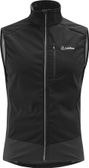
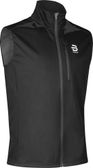
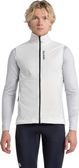
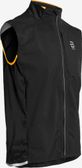
A windproof front blocks airflow while an airy back releases heat during pole strokes.
Guide
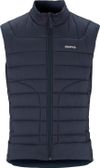
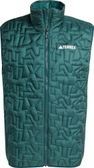
Men's Nordic ski gilets
A cross-country gilet complements a base layer or midlayer without covering the arms. Choose a thin front or additional insulation according to wind, pace and cold.
Key points
Compare front wind protection with heat release through the back.
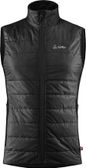
Thicker insulation suits colder conditions and gentler effort.
Arm openings and shoulders need room for pole strokes.
Bear in mindAn airy back helps when skiing generates considerable heat.
Cold leisurely outing
ChooseInsulated gilet
Bear in mindCore warmth helps at lower effort; dress the arms appropriately underneath.
Changing effort
ChooseHybrid gilet
Bear in mindCompare wind protection, stretch panels and ventilation options.
What to look for
Question
In brief
Why
How close can it fit?
In briefTry over your midlayer
WhyIt should remain steady around the torso without restricting the pole stroke. Check it with the clothing you actually plan to wear.
How much filling?
In briefConsider pace and breaks
WhyThin designs are easy to complement with other layers. More insulation can quickly become too warm during hard training.
Which pockets help?
In briefTry them with contents
WhyKeys should not bounce during pole strokes. Under a backpack, zips and pockets need to avoid pressure points.
Common questions
Can a gilet replace a Nordic jacket?
In dry conditions with suitable clothing on your arms, it may be enough. Wind and cold still reach the sleeves underneath. With uncertain weather, plan an extra layer that covers the arms and packs away conveniently.
How can I judge the warmth?
Compare filling, fabric thickness and construction at both front and back. A wind-blocking front provides a different kind of protection from insulation. Match it to pace and layers beneath rather than relying on the product name.
How do I check the fit for skating?
Wear the intended layers and move your arms strongly forwards and backwards. Back and shoulders should stay free. The gilet should not press at chest or armpits or ride up excessively when you bend forwards.
Can I also wear it on a bike?
A suitable wind gilet can work for cycling if back length and pockets suit the riding position. Check the hem over your bent back and consider visibility. A low, stretched riding position makes different demands from cross-country skiing.
This website uses cookies, which are necessary for the technical operation of the website and are always set. Other cookies, which increase the usability of this website, serve for direct advertising or simplify interaction with other websites and social networks, will only be used with your consent.
More information